NCW seeks 7-day report from Jharkhand over tribal activist Nisha Bhagat's death

Synopsis
Tribal social worker Nisha Bhagat reportedly reached out to a police officer during a Facebook Live session, expressing thoughts of ending her life — and still died. The NCW's suo motu intervention puts the spotlight squarely on whether the Pithoria police failed a woman who asked for help in real time.
Key Takeaways
The National Commission for Women (NCW) has taken suo motu cognisance of the death of tribal social worker Nisha Bhagat in Ranchi, Jharkhand .
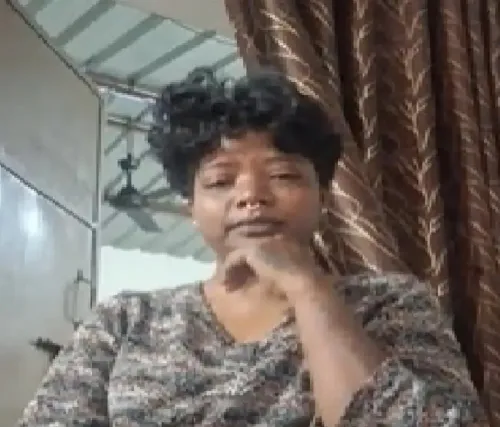
Bhagat reportedly spoke about online harassment and thoughts of suicide during a Facebook Live session, and contacted the Pithoria police station officer in charge during the same session.
NCW Chairperson Vijaya Rahatkar has written to Jharkhand officials demanding an impartial, time-bound investigation and a review of police conduct.
Authorities have been asked to preserve the Facebook Live recording, call records, and all digital evidence.
A detailed action taken report has been sought within 7 days , with accountability mandated if police negligence is established.
The NCW separately launched 'SAATHI' , a support group for rape survivors and their families.
The National Commission for Women (NCW) has taken suo motu cognisance of media reports surrounding the death of tribal social worker Nisha Bhagat in Ranchi, Jharkhand, and has directed state authorities to submit a detailed action taken report within seven days. The move, announced on 7 November, follows deeply troubling accounts of Bhagat's final hours, during which she reportedly expressed distress over online harassment and an unresponsive administration.
What Happened Before Her Death
According to reports, Bhagat conducted a Facebook Live session in which she spoke openly about sustained online trolling, harassment, and her frustrations with complaints she had lodged against the local administration and police. During the same session, she reportedly contacted the officer in charge of Pithoria police station and communicated both her distress and her thoughts of ending her life. The extent of the police response during and after that call remains under scrutiny.
What the NCW Has Demanded
NCW Chairperson Vijaya Rahatkar has written formally to Jharkhand officials, outlining a set of specific directives. These include: an impartial, thorough, and time-bound investigation into the circumstances of Bhagat's death; a review of police conduct and the action taken at the time of her distress call; an examination of how previously filed complaints by the deceased were handled; and immediate steps to preserve the Facebook Live recording, call records, and all other digital evidence. The Commission has also called for accountability measures if negligence or dereliction of duty is established against any police personnel, and for appropriate assistance to be extended to Bhagat's family.
NCW Chairperson's Statement
'No woman's suffering or cry for help should go unheard. Sensitivity, timely action, and accountability are essential to women's safety,' Rahatkar said in an official statement. The remarks signal the Commission's intent to treat this not merely as an administrative inquiry but as a test case for systemic police accountability in cases involving women from marginalised communities.
The Broader Context: NCW's SAATHI Initiative
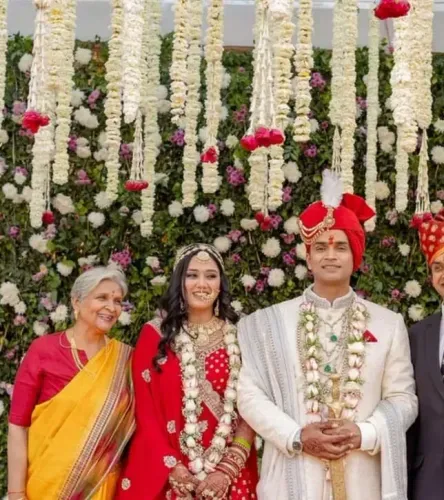
Separately, Rahatkar had earlier announced the launch of 'SAATHI', a new NCW support group for rape survivors and their families. In a post on X, she described the initiative as 'an effort to provide emotional and mental strength to women victims of rape and their families,' adding that the group aims to create a space where survivors 'can express their innermost thoughts, share their pain, and muster the courage to move forward in life once again.' At the launch, Shubham and Smt. Shubham Kulkarni from Pune were present — a couple whose three-year-old daughter was raped and murdered by a 65-year-old repeat offender. The accused was sentenced to death in just 59 days, following a swift investigation by Pune Rural Police. The Kulkarnis have since established a foundation in their daughter's memory to support other victims and families. Rahatkar described their resolve as 'extremely inspiring' and noted that their participation helped shape the spirit behind SAATHI.
What Happens Next
Jharkhand authorities are expected to respond to the NCW's directive within the stipulated seven-day window. The Commission's intervention places pressure on state police to account for their handling of Bhagat's distress call — a detail that critics argue could indicate a critical failure in the duty of care owed to a woman who explicitly reached out for help. The case is also likely to intensify scrutiny of online harassment faced by tribal activists and the adequacy of existing grievance mechanisms.
Point of View
And she died anyway. If that account is accurate, it raises a question that an action taken report alone cannot answer: what is the protocol when a distressed woman calls police and they do not act? The NCW's intervention is necessary but the seven-day report window risks producing a procedural response rather than systemic accountability. Tribal women in Jharkhand face a compounded disadvantage — marginalised by caste, region, and gender — and cases like this rarely receive sustained national attention beyond the initial NCW notice. The Commission would do well to track this one past the first report.
NationPress
7 Nov 2026
Frequently Asked Questions
Who was Nisha Bhagat and how did she die?
Nisha Bhagat was a tribal social worker from Ranchi, Jharkhand, whose death prompted NCW intervention. According to reports, she expressed distress over online harassment and thoughts of ending her life during a Facebook Live session before her death; the precise circumstances are under investigation.
Why has the NCW intervened in this case?
The National Commission for Women took suo motu cognisance of media reports about Bhagat's death, particularly the account that she contacted a police officer during her Facebook Live session to communicate her distress and received no adequate response. The NCW has called for a thorough and impartial investigation.
What has the NCW asked Jharkhand authorities to do?
NCW Chairperson Vijaya Rahatkar has directed Jharkhand officials to conduct a time-bound investigation, review police conduct during and after Bhagat's distress call, examine how her earlier complaints were handled, preserve all digital evidence including the Facebook Live recording, and submit a detailed action taken report within seven days.
What happens if police negligence is found?
The NCW has explicitly called for accountability measures if negligence or dereliction of duty is established against any police personnel involved in the case. It has also asked that necessary assistance be provided to Bhagat's family.
What is the NCW's SAATHI initiative mentioned in the context of this case?
SAATHI is a newly launched NCW support group for rape survivors and their families, aimed at providing emotional and mental strength during difficult times. It was announced separately by Chairperson Rahatkar and is unrelated to the Bhagat case, though it reflects the Commission's broader focus on women's welfare and institutional support.