NDA sweeps tea garden, SC seats in Assam: CM Himanta Biswa Sarma
Synopsis
Assam CM Himanta Biswa Sarma told the state Assembly that the BJP-led alliance swept virtually every tea garden-dominated constituency and won 99% of SC reserved seats — a claim the opposition disputes. With 102 of 126 seats and Congress reduced to 19, the results mark a structural shift in Assam's plantation-belt politics that no party can ignore.
Key Takeaways
Assam CM Himanta Biswa Sarma claimed the BJP-AGP-BPF alliance won nearly all tea garden-dominated constituencies in the state.
The alliance reportedly won approximately 99% of Scheduled Caste reserved seats , according to Sarma's Assembly statement.
The BJP -led coalition secured 102 seats in the 126-member Assam Assembly.
The Indian National Congress won only 19 seats — its lowest ever tally in Assam.
Opposition parties accused the ruling alliance of politicising welfare schemes and using identity-based narratives for electoral gain.
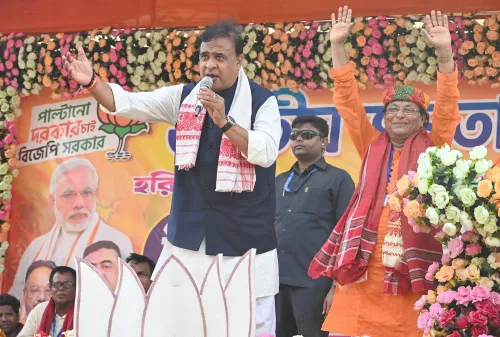
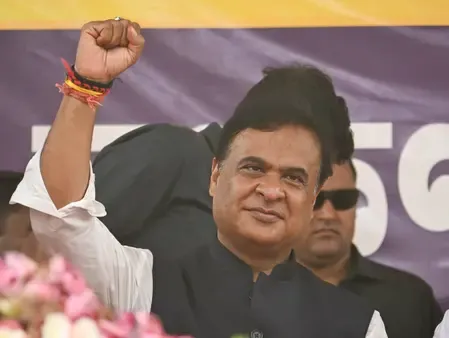
Assam Chief Minister Himanta Biswa Sarma on Tuesday told the state Assembly that the BJP-led alliance has won virtually every constituency dominated by tea garden communities and secured near-total control of Scheduled Caste (SC) reserved seats across the state. Sarma made the assertion during a discussion in the House, citing the results as evidence of grassroots trust in the ruling coalition's welfare agenda.
Tea Tribe Sweep
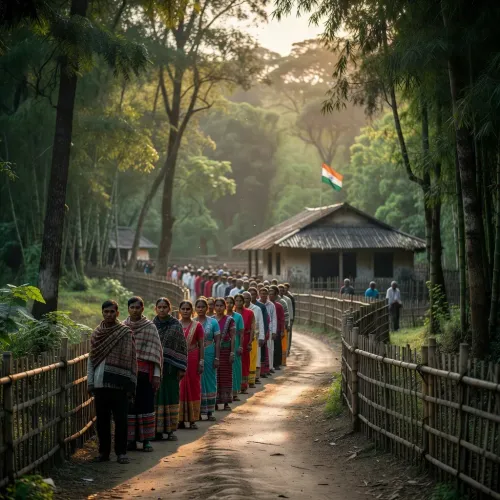
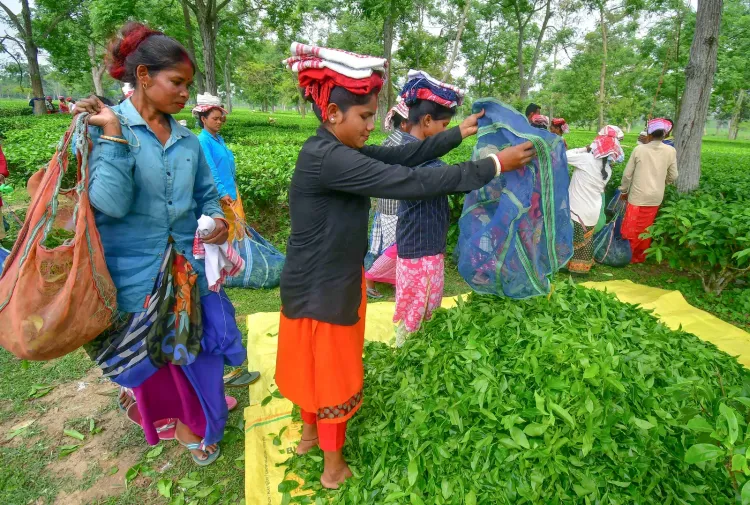
Speaking on the floor of the Assembly, Sarma said the BJP, along with allies Asom Gana Parishad (AGP) and Bodoland People's Front (BPF), had emerged victorious in almost every constituency with a significant tea garden population. 'The tea tribe community has moved forward with us in an unprecedented manner. There is hardly any constituency with a tea community population where the BJP, AGP or BPF has not emerged victorious,' Sarma said.
SC Reserved Seats: Near-Total Dominance
The Chief Minister further claimed that the ruling alliance had won approximately 99 per cent of Scheduled Caste reserved constituencies in Assam. 'Almost 99 per cent of the Scheduled Caste reserved seats have been won by the BJP, BPF and AGP alliance,' he told the Assembly. Sarma attributed this outcome to welfare programmes covering housing, healthcare, education, financial assistance, and employment that he said had reached communities at the grassroots level.
The Broader Electoral Picture
The BJP-led alliance secured 102 seats in the 126-member Assam Assembly, while the opposition suffered a decisive setback. The Indian National Congress managed only 19 seats — its lowest tally in the state. Sarma argued that the results reflected the government's ability to politically connect with communities that had historically remained on the margins despite forming a substantial share of Assam's population.
Opposition Pushback
Opposition parties challenged Sarma's claims during the discussion, accusing the ruling alliance of politicising welfare schemes and deploying identity-based narratives for electoral advantage. Critics argued that framing welfare delivery in electoral terms undermines the non-partisan intent of such programmes.
What the Government Points To
The Chief Minister has consistently highlighted targeted initiatives for tea garden workers — including financial aid to tea tribe women, healthcare outreach, and educational support — as central to the coalition's broader strategy among Economically Weaker Sections (EWS). This comes amid a longer pattern of the BJP expanding its footprint in Assam's plantation belt, a demographic bloc that once leaned toward the Congress. How durable that shift proves will be tested in the next electoral cycle.
Point of View
But in Assam it carries demographic weight. The tea garden belt, historically a Congress stronghold, has been systematically courted since 2016 through targeted schemes for tea tribe women and plantation workers. If the 99% SC-seat claim holds under scrutiny, it signals a near-complete collapse of opposition infrastructure in reserved constituencies — a structural problem Congress has not seriously addressed. The real question is whether welfare-linked electoral loyalty persists once scheme disbursements plateau, or whether it reflects a deeper identity realignment in Assam's marginalised communities.
NationPress
19 Sept 2026
Frequently Asked Questions
What did Assam CM Himanta Biswa Sarma claim in the Assembly?
Sarma claimed that the BJP-AGP-BPF alliance won nearly every constituency dominated by tea garden communities and approximately 99% of Scheduled Caste reserved seats in Assam. He attributed the results to the government's welfare programmes for marginalised communities.
How many seats did the BJP-led alliance win in the Assam Assembly?
The BJP-led alliance secured 102 seats in the 126-member Assam Assembly, a commanding majority. The Indian National Congress won only 19 seats, its lowest tally in the state.
Why are tea garden communities politically significant in Assam?
Tea garden workers and their families form a substantial demographic bloc in Assam, historically associated with the Congress. The BJP's reported sweep of these constituencies marks a significant shift in the state's political landscape.
What did the opposition say in response to Sarma's claims?
Opposition parties challenged Sarma's assertions in the Assembly, accusing the ruling alliance of politicising welfare schemes and using identity-based narratives for electoral purposes rather than genuine development.
Which parties form the ruling alliance in Assam?
The ruling alliance in Assam comprises the Bharatiya Janata Party (BJP), Asom Gana Parishad (AGP), and Bodoland People's Front (BPF), which together hold 102 of the 126 Assembly seats.