Nepal floods: Bihar NDA leaders raise alarm, Manjhi blames China for disaster
Synopsis
As Nepal reeled from devastating floods, Bihar's NDA leaders sounded the alarm over downstream risks to Bihar and Uttar Pradesh — but it was Union Minister Jitan Ram Manjhi's allegation that China deliberately failed to retain floodwater in Tibet that grabbed attention, injecting sharp geopolitical undertones into what began as a humanitarian concern.
Key Takeaways
NDA leaders in Bihar expressed grief over Nepal floods on 27 August , warning of potential impact on Bihar and Uttar Pradesh .
BJP MP Rajiv Pratap Rudy (Saran) called for stronger disaster preparedness and better prediction mechanisms for natural events like cloudbursts.
Bihar Minister Dilip Kumar Jaiswal described the crisis as a collective natural disaster spanning Nepal, Bihar, and Uttar Pradesh.
RLM chief Upendra Kushwaha raised concern over reports of Indians among the missing in Nepal.
Union MSME Minister Jitan Ram Manjhi alleged that China could have controlled floodwater in Tibet to prevent the severity of Nepal's flooding.
Manjhi confirmed Bihar's administration was on high alert with relief and rescue arrangements in place.
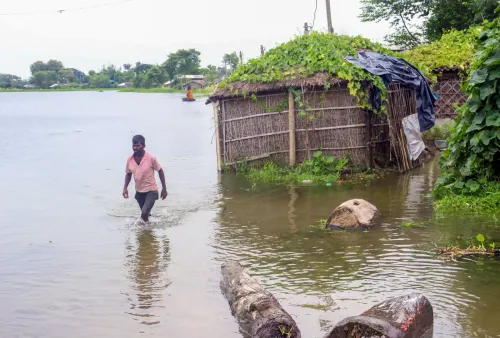
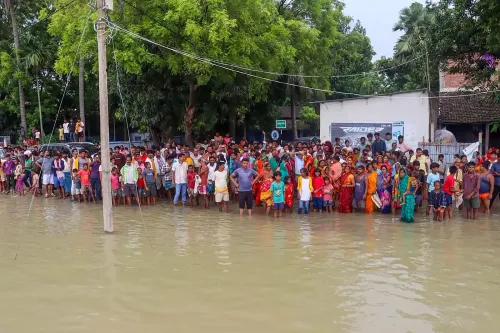
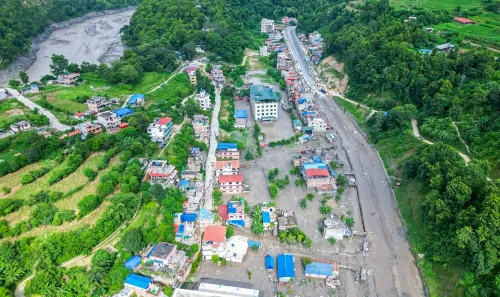
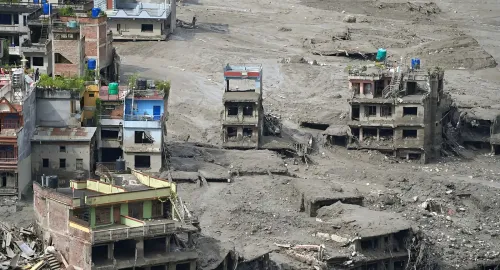
National Democratic Alliance (NDA) leaders in Bihar on Thursday, 27 August voiced grief and serious concern over the devastating floods in Nepal, warning of a cascading threat to Bihar and Uttar Pradesh as floodwaters move downstream. The statements came as Nepal reported deaths, destruction of homes, and widespread displacement.
Leaders Express Grief and Concern
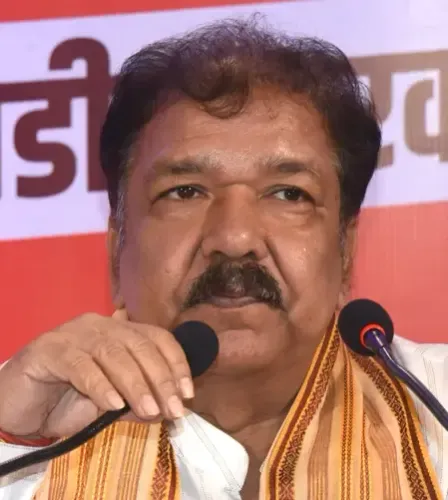
Bharatiya Janata Party (BJP) Member of Parliament from Saran, Rajiv Pratap Rudy, expressed sorrow over the loss of lives in Nepal, acknowledging that predicting natural events such as cloudbursts remained a significant challenge. He stressed the urgent need for deeper discussion and stronger disaster preparedness frameworks to handle such crises more effectively in the future.
Bihar Minister Dilip Kumar Jaiswal described the unfolding situation — stretching from Nepal through Bihar and into Uttar Pradesh — as a large-scale natural disaster. He appealed for prayers for minimal loss of life and property, and said the crisis would require a collective response from all stakeholders.
Rashtriya Lok Manch (RLM) National President and Rajya Sabha MP Upendra Kushwaha also offered condolences to the families of those killed, while voicing particular concern over reports that some Indians were among those missing in Nepal.
Manjhi Alleges China's Role in Nepal Flooding
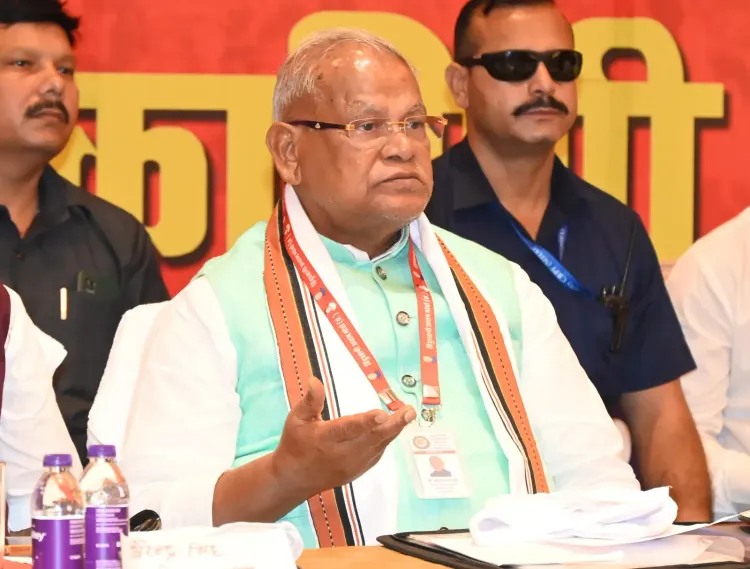
Union MSME Minister Jitan Ram Manjhi went further, making a pointed political allegation: he claimed that China bore responsibility for the severity of the floods in Nepal. Manjhi argued that China, which controls Tibet, could have retained or controlled the water flow but chose not to.
He questioned why Beijing did not take adequate measures to hold back water in Tibet, asserting that had it done so, Nepal's situation might not have deteriorated so severely — and Bihar would have faced a reduced threat. The allegation reflects a growing tendency among Indian political leaders to frame trans-boundary flood events through a geopolitical lens, particularly regarding Chinese water infrastructure upstream.
Bihar's Preparedness and Ground Situation
Manjhi acknowledged the scale of devastation in Nepal — including deaths and destruction of property — and noted that water moving downstream posed a potential flood threat to parts of Bihar. However, he indicated that the situation in Bihar was less serious than initially feared, expressing confidence in the state government's readiness.
He confirmed that the administration was on high alert and that relief and rescue arrangements were being put in place to respond to any possible emergency. This comes amid a broader pattern of annual flood alerts in Bihar, which remains one of India's most flood-prone states due to its proximity to Himalayan river systems fed by Nepal's monsoon runoff.
Broader Context
Bihar's vulnerability to Nepal-origin floods is well-documented — rivers such as the Kosi, Gandak, and Bagmati, which originate in Nepal, regularly inundate large swathes of northern Bihar during the monsoon season. Notably, trans-boundary water management between India, Nepal, and China has long been a contentious issue, with India repeatedly raising concerns about data-sharing and upstream dam operations. Manjhi's remarks, while unverified by any official investigation, echo similar allegations raised during past flood events.
Point of View
Real-time water-data sharing agreement for Himalayan rivers, leaving downstream states like Bihar to manage flood risk with incomplete information. Until that changes, the annual cycle of devastation, political blame, and reactive relief will repeat. The more urgent question — why Bihar's flood infrastructure remains inadequate despite decades of warnings — went largely unasked in Thursday's statements.
NationPress
12 Oct 2026
Frequently Asked Questions
Why are Bihar leaders concerned about Nepal floods?
Bihar shares river systems — including the Kosi, Gandak, and Bagmati — that originate in Nepal and regularly flood northern Bihar during monsoon season. Floodwaters from Nepal's devastation move downstream into Bihar and Uttar Pradesh, making Nepal's flood situation a direct threat to millions in these states.
What did Union Minister Jitan Ram Manjhi allege about China?
Manjhi alleged that China, which controls Tibet, could have retained or controlled upstream water flow to prevent the severity of flooding in Nepal. He questioned why Beijing did not take adequate measures, arguing that had it done so, Nepal's crisis — and the resulting threat to Bihar — might have been less severe. The allegation has not been independently verified.
Is Bihar currently facing a flood emergency?
As of 27 August, Bihar's situation was described as less serious than initially feared. However, the state administration was on high alert, with relief and rescue arrangements being put in place to respond to any downstream flooding triggered by Nepal's crisis.
Who are the key NDA leaders who spoke on the Nepal floods?
The leaders who commented include BJP MP Rajiv Pratap Rudy (Saran), Bihar Minister Dilip Kumar Jaiswal, RLM National President and Rajya Sabha MP Upendra Kushwaha, and Union MSME Minister Jitan Ram Manjhi.
What is India's broader concern about trans-boundary flood management with China?
India and China do not have a comprehensive real-time water-data sharing agreement for Himalayan rivers. This leaves Indian states like Bihar dependent on limited information to manage flood risk from upstream regions in Tibet and Nepal, a concern that Indian officials have raised repeatedly in past years.