Are New Licensing Rules for Horse Joyrides in Tamil Nadu Enough to Prevent Cruelty?
Synopsis
The Tamil Nadu government has introduced strict regulations for horse joyrides to combat animal cruelty. With mandatory licensing, health screenings, and improved living conditions, these guidelines aim to ensure equine welfare across the state. This initiative, prompted by numerous abuse complaints, seeks to safeguard animals while enhancing safety at tourist destinations.
Key Takeaways
Mandatory licensing for all operators of working equines.
Regular veterinary checks and health screenings are required.
Strict regulations on working hours and conditions.
Penalties for abuse include criminal prosecution and license revocation.
Plans for a statewide census of working equines are underway.
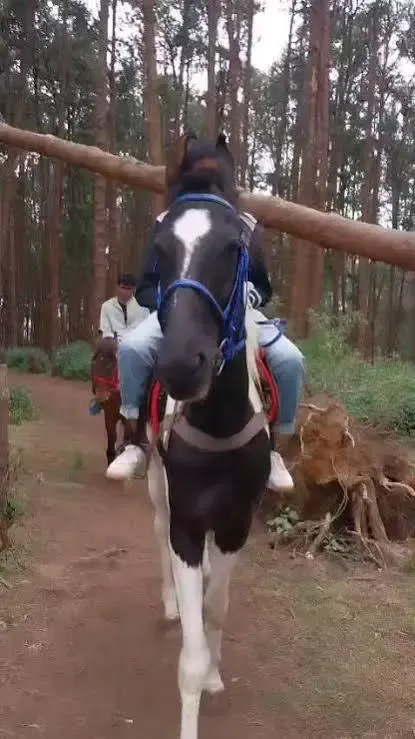
Chennai, Jan 28 (NationPress) In a crucial step aimed at reducing animal cruelty and enhancing safety measures at tourist attractions, the Tamil Nadu government has established rigorous guidelines to oversee joyrides and the commercial usage of horses, donkeys, and mules statewide.
The newly implemented framework necessitates mandatory licensing, regular veterinary assessments, and stringent oversight of working conditions for all equines involved in public activities.
These guidelines were disseminated via a recent government order issued by N. Subbaiyan, Principal Secretary of the Animal Husbandry, Dairy, Fisheries, and Fishermen Welfare Department, ensuring compliance with the Prevention of Cruelty to Animals Act of 1960.
Officials indicated that this initiative arose from numerous complaints regarding abuse, lack of regulation, and insufficient accountability in various tourist and semi-urban locales.
The order reveals that equines are frequently utilized for joyrides, transporting goods, and ceremonial functions in popular tourist hubs such as Chennai, Udhagamandalam, and Kodaikanal, along with several hilly and rural areas. Inspections have uncovered recurrent violations, including overloading, inadequate access to food and water, substandard shelter, insufficient veterinary care, and forcing animals to work in extreme weather conditions.
Under the new regulations, all proprietors and operators of working equines must secure licenses from relevant municipal authorities and register their animals with the Tamil Nadu Animal Welfare Board.
Equines designated for joyrides, passenger transport, or racing must undergo compulsory health screenings, including tests for glanders, and possess valid fitness certificates issued by certified veterinarians every six months.
The guidelines also stipulate comprehensive standards for housing and care, detailing minimum stable dimensions, appropriate ventilation, flooring, drainage systems, and seasonal shelter requirements.
Working hours have been limited, allowing joyrides solely from 10 a.m. to 4 p.m., and prohibiting operations during extreme heat, heavy rain, or other severe weather conditions. The use of equines beyond their acceptable age—generally 20 to 21 years—and overloading beyond permissible weight limits has been strictly disallowed.
Additionally, the order calls for regular hoof maintenance, utilization of suitable saddles and harnesses, compliance with vaccination schedules, and the availability of first-aid kits at all equine work sites.
Authorities are empowered to seize animals immediately in instances of severe cruelty or repeated violations, with provisions for temporary rehabilitation and permanent confiscation in serious cases. Offenders may face criminal prosecution, suspension or revocation of licenses, and financial penalties.
Shruti Vinod Raj, a member of the Tamil Nadu Animal Welfare Board, announced plans for a statewide census of working equines.
Pointing to Chennai as a case in point, she emphasized that recent inspections uncovered extensive movement of horses, many lacking microchips.
With licensing now obligatory, she asserted that enforcement would enhance, and the government is also considering fundamental infrastructure improvements, such as stables, to promote adherence to the new standards.
Point of View
I see the Tamil Nadu government's new regulations as a vital step towards ensuring animal welfare. By enforcing strict licensing and safety measures, the state acknowledges the need for accountability in tourist activities involving equines, reflecting a growing commitment to humane treatment across the country.
NationPress
29 Sept 2026
Frequently Asked Questions
What are the new licensing rules for horse joyrides in Tamil Nadu?
The Tamil Nadu government has implemented stringent guidelines that require mandatory licensing, health screenings, and regular veterinary checks for equines engaged in public activities.
Why were these regulations introduced?
The regulations were introduced in response to numerous complaints of animal abuse and the lack of accountability in the management of equines at tourist sites.
What are the penalties for non-compliance?
Violators may face criminal prosecution, suspension or cancellation of licenses, and financial penalties.
How will the government ensure compliance with these new rules?
The Tamil Nadu Animal Welfare Board will oversee licensing, and local authorities will conduct inspections to monitor compliance.
What specific measures are included for the care of equines?
The guidelines include stipulations for adequate housing, nutrition, health screenings, and restrictions on working hours to ensure the welfare of equines.