What are the New Changes in the Decriminalisation of Non-Production of Books of Accounts?
Synopsis
Finance Minister Nirmala Sitharaman announced significant tax reforms on February 1, including the decriminalisation of non-production of account books, aimed at simplifying tax procedures and penalties. This move is expected to ease the compliance burden on taxpayers while streamlining the legal framework surrounding tax offences.
Key Takeaways
Decriminalisation of non-production of books of accounts and documents.
Minor offences incur only fines .
No penalties for non-disclosure of foreign assets below Rs 20 lakh .
Pre-payment requirement reduced from 20% to 10% .
Taxpayers can amend returns post-reassessment.
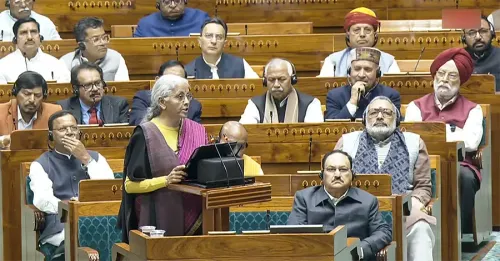
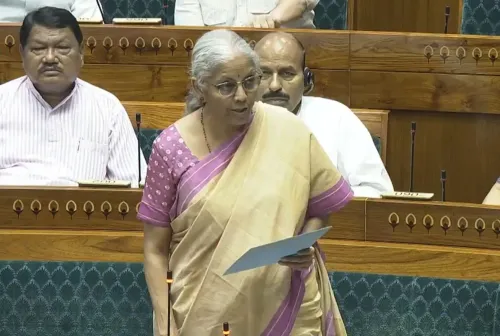
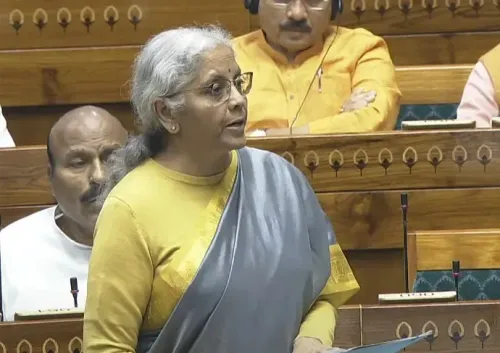
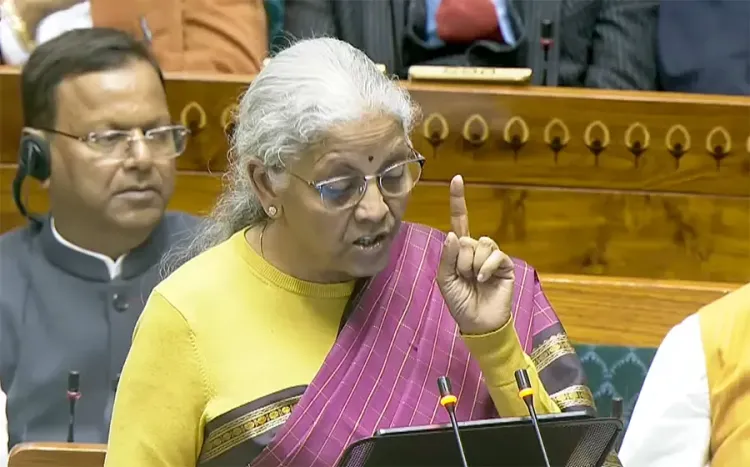
New Delhi, Feb 1 (NationPress) Finance Minister Nirmala Sitharaman unveiled a series of direct tax reforms on Sunday aimed at streamlining penalty and prosecution processes, integrating assessment and penalty procedures into a unified order to prevent multiple proceedings. The decriminalisation of the non-production of books of accounts and documents, alongside the TDS payment requirements for payments made in kind, has been announced.
Minor infractions will now incur only a fine, while more significant offences will be categorized based on their severity, resulting in simple imprisonment with a maximum term reduced to two years. Courts will have the discretion to convert even these sentences into fines, as noted by the Finance Minister during her Budget 2026-27 address.
Furthermore, there will be no penalties for failing to disclose non-immovable foreign assets valued below Rs 20 lakh. The Minister proposed granting immunity from prosecution for these cases with retrospective effect starting from October 1, 2024.
As outlined by the Finance Minister, taxpayers will not bear interest liabilities on penalty amounts during the appeal period before the first appellate authority, regardless of the appeal's outcome.
The pre-payment requirement is also set to decrease from 20 percent to 10 percent, calculated solely on core tax demands, she stated in her Budget speech.
Additionally, taxpayers will be permitted to amend their returns even after reassessment has commenced, incurring an extra 10 percent tax rate on top of the applicable rate for the relevant year. The assessing officer will utilize only this amended return in their evaluations.
This immunity framework will also extend to cases of misreporting; however, taxpayers will need to pay the full tax amount as an additional income tax on top of the existing tax and interest owed.
Proposals have been made to convert penalties for specific technical failures, such as not getting accounts audited or not submitting transfer pricing audit reports, into fee structures, according to the Finance Minister.
She also indicated plans to refine the prosecution framework under the Income Tax Act while ensuring a careful balance for serious offences that warrant deterrence.
Point of View
The latest tax reforms presented by Finance Minister Nirmala Sitharaman are a significant step towards rationalising tax compliance in India. By decriminalising certain offences and simplifying the penalty framework, the government aims to foster a more taxpayer-friendly environment. This approach reflects a commitment to easing the compliance burden while maintaining necessary deterrence for serious violations.
NationPress
19 Sept 2026
Frequently Asked Questions
What is being decriminalised in the new tax reforms?
The non-production of books of accounts and documents, as well as the TDS payment requirement for payments made in kind, are being decriminalised.
What changes are proposed for minor offences?
Minor offences will now attract only a fine, while more serious offences will incur reduced imprisonment terms.
How will the penalty for non-disclosure of foreign assets be handled?
There will be no penalties for non-disclosure of foreign assets valued less than Rs 20 lakh, with immunity from prosecution proposed from October 1, 2024.
What is the new pre-payment requirement for tax?
The pre-payment requirement is being reduced from 20 percent to 10 percent, calculated solely on core tax demand.
Can taxpayers amend their returns after reassessment?
Yes, taxpayers can update their returns even after reassessment proceedings have started, subject to an additional 10 percent tax rate.