Has the NGT Transferred the Suo Moto Case on Karedu Land Dispute to the Southern Zone Bench?
Synopsis
In a significant decision, the National Green Tribunal (NGT) has given villagers in Karedu, Andhra Pradesh, another chance to present their case against the industrial use of agricultural land. This ruling highlights the ongoing conflict between development and environmental preservation, impacting thousands of families.
Key Takeaways
The NGT has allowed further hearings in the Karedu land dispute.
Over 8,348 acres of agricultural land is at risk of being converted for industrial use.
This decision could affect approximately 16,000 families in the region.
The next hearing will take place on January 12, 2026.
The case has been transferred to the Southern Zone Bench for appropriate jurisdiction.
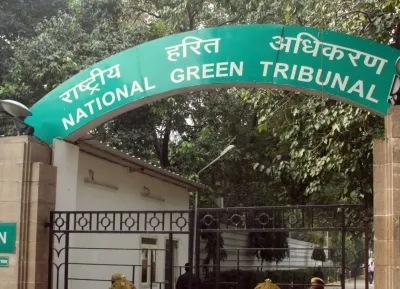
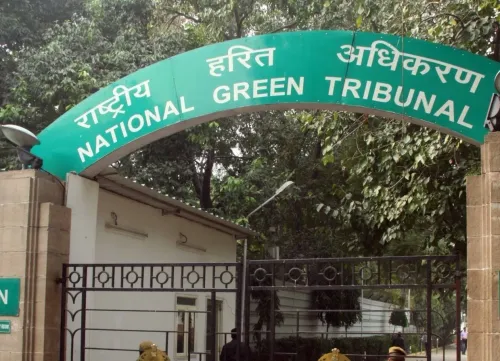
New Delhi, Dec 30 (NationPress) The National Green Tribunal (NGT) has provided an additional chance for the residents of Karedu in Andhra Pradesh to submit evidence supporting their opposition to the conversion of agricultural land for industrial purposes.
A panel consisting of Judicial Member Justice Arun Kumar Tyagi and Expert Member Ishwar Singh was addressing a complaint logged on the green tribunal's public grievances portal, which was subsequently registered as an original application suo motu (on its own accord).
The complaint contended that more than 8,348 acres of fertile farmland in Karedu village, located in Ulavapadu mandal of Sri Potti Sree Ramulu Nellore district, was slated for takeover by a private solar company, jeopardizing the livelihoods of nearly 16,000 families.
Despite the applicant's absence at the NGT hearing and failure to present any supporting documentation, the Justice Tyagi-led panel expressed its reluctance to dismiss the case.
"Given the environmental issues raised, we do not find dismissal due to the applicant's absence to be suitable," observed the tribunal.
"We shall grant another opportunity for the applicant to appear and present any supportive evidence regarding the claims made in the original application," it added.
Considering that the matter arose in Andhra Pradesh, the NGT concluded that it would be more fitting for the case to be addressed by the Southern Zone Bench.
"In light of the facts and circumstances, particularly the location of the cause of action within the jurisdiction of the Southern Zone Bench at Chennai, we believe it is appropriate for the case to continue there,” the ruling stated.
Consequently, the Justice Tyagi-led panel instructed the registry to schedule the matter for hearing before the Chennai Bench on January 12, 2026, following necessary transfer orders, and to notify the applicant of the hearing date. The NGT also mandated that the applicant be required to appear and present all available materials supporting his claims during the next session.
Point of View
It is imperative to recognize the ongoing struggle between industrial development and environmental conservation. The NGT's decision to allow further hearings underscores the importance of community voices in decision-making processes related to land use. This case is a testament to the need for a balanced approach in addressing both economic growth and the environmental rights of local populations.
NationPress
20 Sept 2026
Frequently Asked Questions
What is the NGT's recent decision regarding the Karedu land dispute?
The NGT has granted an additional opportunity for the residents of Karedu in Andhra Pradesh to present their evidence against the diversion of agricultural land for industrial use.
How much agricultural land is at stake in the Karedu dispute?
More than 8,348 acres of fertile agricultural land in Karedu is proposed to be taken over for industrial use by a private solar company.
What is the significance of the NGT's decision?
The NGT's decision highlights the ongoing conflict between development and environmental preservation, which significantly impacts the livelihoods of approximately 16,000 families.
When is the next hearing scheduled?
The next hearing is scheduled for January 12, 2026, at the Southern Zone Bench in Chennai.
Why was the case transferred to the Southern Zone Bench?
The case was transferred to the Southern Zone Bench because the cause of action arose in Andhra Pradesh, making it more appropriate for that jurisdiction.