NGT Takes Action Over Alleged Destruction of 70,000 Trees in Ghaziabad's Sai Upwan Forest
Synopsis
The NGT has issued crucial notices regarding the potential destruction of 70,000 trees in Ghaziabad's Sai Upwan city forest, addressing serious environmental concerns stemming from waste management issues. This development highlights the urgent need for environmental protection in urban areas.
Key Takeaways
NGT has issued notices concerning environmental damage in Ghaziabad.
Approximately 70,000 trees have allegedly been destroyed.
The issues focus primarily on waste management practices.
Sai Upwan forest is critical for urban air quality.
The next hearing is set for July 2 .
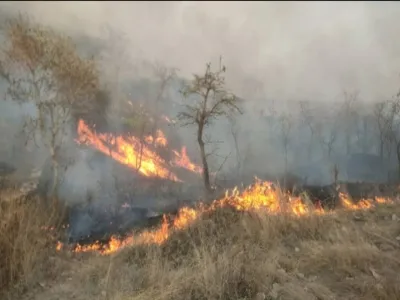
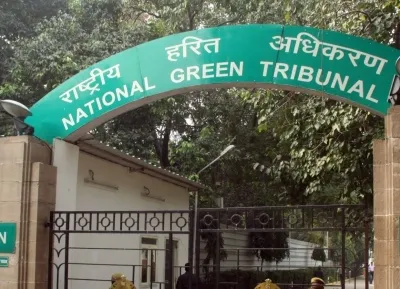
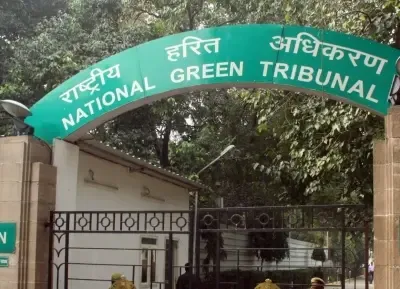
New Delhi, March 31 (NationPress) The National Green Tribunal (NGT) has served notices to the Central government, the Uttar Pradesh administration, and various agencies concerning the alleged massive environmental damage in the Sai Upwan city forest of Ghaziabad. Reports indicate that approximately 70,000 trees have been lost due to persistent waste dumping and sewage flooding.
The NGT took note of an original petition submitted by Rajendra Tyagi, a former municipal corporator and member of the Ghaziabad Development Authority. A Bench led by Chairperson Justice Prakash Shrivastava and Expert Member Dr. Afroz Ahmad instructed the involved parties to submit their responses via affidavit at least a week before the next hearing scheduled for July 2.
Notices were dispatched to the Union Ministry of Environment, Forest, and Climate Change, the Uttar Pradesh government, the Central Pollution Control Board, the Uttar Pradesh Pollution Control Board, the District Magistrate, the UP Forest Department, the Ghaziabad Development Authority, and the Ghaziabad Nagar Nigam.
In their ruling, the NGT noted that while several issues were raised—such as illegal construction, encroachment, grazing cattle, and unauthorized activities—the applicant, represented by counsel Akash Vashishtha, chose to focus solely on the solid and liquid waste management concerns for this instance.
“The Applicant's Counsel has indicated that this application is limited to the solid and liquid waste management issues,” stated the Bench led by Justice Shrivastava, approving the amendment of the application as proposed.
The petition highlighted urgent environmental issues, claiming rampant illegal dumping and incineration of solid waste within the 200-acre Sai Upwan area, resulting in significant ecological harm.
Moreover, the application raised alarms about the release of untreated sewage and wastewater into a stormwater drain traversing the forest, which allegedly overflows during rainy periods, inundating substantial areas of the green space.
The petition asserts that nearly 70,000 trees have perished due to extended exposure to waste dumping, the accumulation of legacy waste, and sewage pollution, severely impacting the “city forest” as outlined in the Master Plan for 2021 and 2031.
On March 19, the NGT instructed the applicant to provide copies of the application to all parties involved and to file an affidavit confirming service before the upcoming hearing. It also allowed the applicant to present additional issues regarding the area through a separate application.
Sai Upwan, covering around 200 acres, is recognized as one of the largest city forests in Ghaziabad and is referred to in the petition as the “green lungs” of the city, playing a vital role in sustaining air quality in one of India’s most polluted urban areas.
Point of View
The situation in Ghaziabad's Sai Upwan forest underscores the pressing need for effective waste management and environmental protection policies. The NGT's involvement highlights the seriousness of the allegations and the potential impact on local ecology and air quality.
NationPress
3 Oct 2026
Frequently Asked Questions
What triggered the NGT's notice regarding the Sai Upwan forest?
The NGT's notice was triggered by allegations of large-scale destruction of nearly 70,000 trees due to waste dumping and sewage inundation in the Sai Upwan city forest.
Who filed the petition leading to the NGT's action?
The petition was filed by Rajendra Tyagi, a former municipal corporator and board member of the Ghaziabad Development Authority.
What is the main environmental concern in Sai Upwan?
The main concern involves illegal dumping of waste and untreated sewage, which is severely affecting the forest's ecological balance.
What did the NGT instruct the authorities to do?
The NGT instructed the authorities to respond to the allegations with affidavits before the next hearing scheduled for July 2.
Why is Sai Upwan considered significant?
Sai Upwan is one of the largest city forests in Ghaziabad, described as the 'green lungs' of the city, crucial for maintaining air quality.