NHRC hears 86 bonded labour cases from Haryana brick kilns, orders helpline
Synopsis
The NHRC took up 86 alleged bonded labour cases from Haryana's brick kilns in a single online hearing — and found that district officials lacked credible evidence to even formally declare victims as bonded labourers. Justice Ramasubramanian's call for a dedicated helpline and stricter SOP compliance signals deep systemic failures in how Haryana's administration handles these cases.
Key Takeaways
NHRC Chairperson Justice V.
Ramasubramanian heard 86 cases of alleged bonded labour in Haryana brick kilns on 10 July 2025 .
Haryana Chief Secretary Anurag Rastogi assured the Commission all cases would be reviewed and reports submitted.
Justice Ramasubramanian found that in most cases, records were not properly examined, leaving officials without credible evidence to declare labourers as bonded.
The NHRC directed the state to launch a helpline for labourers in distress and to track bonded labour incidents.
Officials were asked to follow the Ministry of Labour and Employment's SOP for identification, rescue, and prosecution in bonded labour cases.
NHRC Joint Secretary Samir Kumar called for compliance with Advisory 2.0 on identifying and rehabilitating bonded labourers.
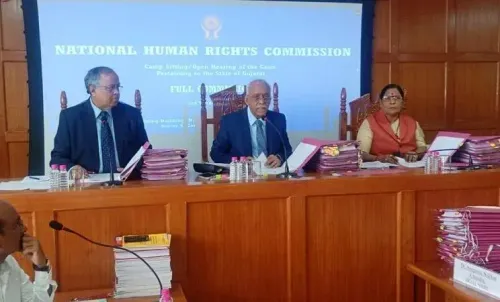
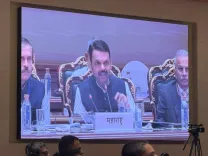
The National Human Rights Commission (NHRC) on 10 July 2025 conducted an online hearing into 86 cases of alleged bonded labour in brick kilns spread across multiple districts of Haryana, with Chairperson Justice V. Ramasubramanian directing state officials to launch a dedicated helpline for labourers in distress. The hearing marks one of the most concentrated reviews of bonded labour complaints in Haryana in recent memory.
Key Developments from the Hearing
Haryana Chief Secretary Anurag Rastogi, along with senior state functionaries, assured the Commission that all 86 cases would be individually reviewed and that detailed reports would be submitted thereafter. Officials also committed to full compliance with directions of the Supreme Court and applicable laws to enable immediate remedial action in bonded labour cases.
The hearing was attended by Labour Commissioner Vijaykumar Bhavikatti and the District Magistrates (DMs) of all districts in Haryana, who presented the bonded labour cases and submitted Action Taken Reports (ATRs) for the Commission's review.
What the NHRC Chairperson Said
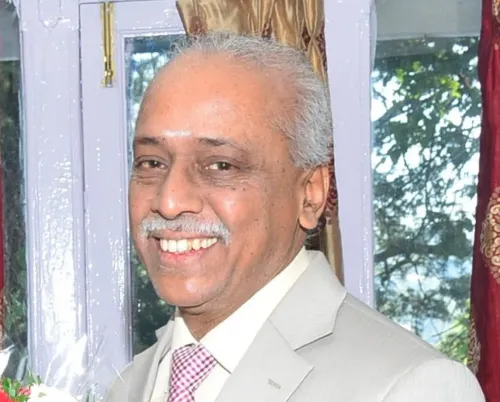
Justice Ramasubramanian observed that in most of the cases, records had not been properly examined by the concerned government officials. As a result, he noted, authorities lacked credible evidence to formally declare the individuals as bonded labourers — a legal classification that triggers specific rehabilitation entitlements under the Bonded Labour System (Abolition) Act, 1976.
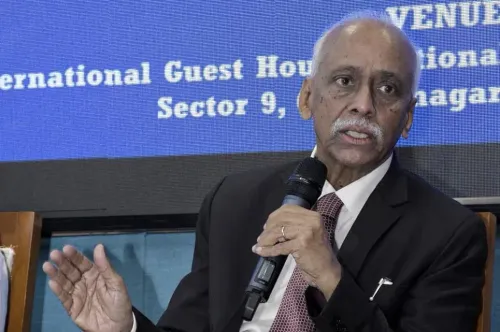
He urged officers to remain vigilant and to strictly follow the Standard Operating Procedure for Identification and Rescue of Bonded Labourers and Prosecution of Offenders, issued by the Ministry of Labour and Employment, when constituting inquiry teams. He also stressed the urgent need for a functional helpline to track incidents and allow labourers to seek timely assistance.
NHRC's Advisory Framework
Samir Kumar, Joint Secretary of the NHRC, underscored the importance of compliance with the Commission's directions and called for action in line with its 'Advisory 2.0 to Identify, Release and Rehabilitate Bonded Labourers' — a structured framework that lays out steps from identification to rehabilitation. Critics of bonded labour enforcement have long argued that identification failures at the district level remain the single biggest barrier to relief for victims.
Why This Matters
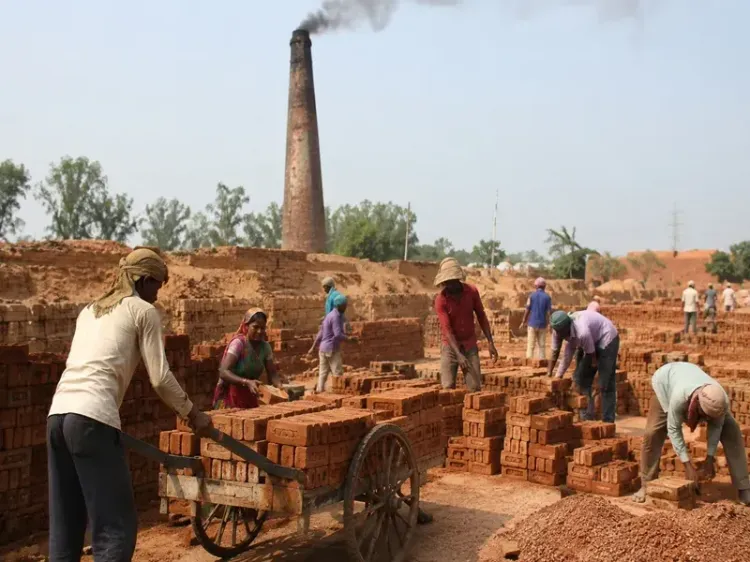
Brick kilns in north India have been repeatedly flagged by human rights bodies as sites of exploitative labour practices, often involving migrant workers from economically vulnerable states. Haryana's kiln belt is no exception. This is not the first time the NHRC has intervened — but the scale of 86 simultaneous cases in a single hearing signals a more systemic problem in how district administrations are handling complaints.
Notably, the lack of proper record examination cited by Justice Ramasubramanian points to a procedural gap: without rigorous documentation, even genuine victims of bonded labour may not receive legal protection or rehabilitation support. The Commission's push for a helpline could, if implemented, provide a direct reporting mechanism that bypasses administrative inertia at the district level.
What Happens Next
The Haryana government is expected to submit detailed reports on all 86 cases to the NHRC following the review. The Commission will assess compliance with its Advisory 2.0 framework and Supreme Court directions. The proposed helpline's timeline has not yet been officially announced, and its rollout will be closely watched by labour rights organisations.
Point of View
Yet district officials reportedly lacked the documentation to formally classify a single victim. This is not an evidentiary gap — it is an administrative failure. The SOP for bonded labour identification has existed for years; the problem is enforcement will and capacity at the district magistrate level, where political and economic pressures from kiln owners can quietly stall proceedings. A helpline is a useful tool, but without accountability for officials who fail to follow procedure, it risks becoming another under-resourced mechanism. The real test is whether Haryana's ATRs, when submitted, reflect genuine field action or bureaucratic compliance theatre.
NationPress
9 Oct 2026
Frequently Asked Questions
What did the NHRC hear on 10 July 2025?
The NHRC conducted an online hearing into 86 cases of alleged bonded labour in brick kilns across various districts of Haryana. Chairperson Justice V. Ramasubramanian presided and directed officials to launch a helpline for labourers in distress.
What did NHRC Chairperson Justice Ramasubramanian find about the cases?
He found that in most cases, government officials had not properly examined records, leaving them without credible evidence to formally declare the individuals as bonded labourers — a classification required to trigger legal rehabilitation entitlements.
What has the Haryana government committed to do?
Chief Secretary Anurag Rastogi and other officials assured the NHRC that all 86 cases would be reviewed, detailed reports submitted, and full compliance with Supreme Court directions and applicable laws ensured for immediate remedial action.
What is NHRC Advisory 2.0 on bonded labour?
It is a structured framework issued by the NHRC that outlines the steps authorities must follow to identify, release, and rehabilitate bonded labourers. NHRC Joint Secretary Samir Kumar called on Haryana officials to act in accordance with this advisory during the hearing.
Why are Haryana brick kilns a recurring concern for labour rights bodies?
Brick kilns in north India, including Haryana, have been repeatedly flagged for exploitative labour practices involving migrant workers from economically vulnerable regions. The scale of 86 simultaneous cases before the NHRC indicates a systemic problem in how district administrations handle bonded labour complaints.