NHRC chief joins SCO human rights meet in Bishkek for first time
Synopsis
India's NHRC chief virtually joined the SCO's first-ever consultative meeting of national human rights institutions in Bishkek, backing a draft protocol on information exchange and best practices. The meeting, convened under Kyrgyz Republic's SCO Chairmanship, included NHRIs from Russia, China, Iran, Pakistan and five other member states — a rare multilateral rights forum within a bloc more associated with security and trade.
Key Takeaways
NHRC Chairperson Justice (Retd) V.
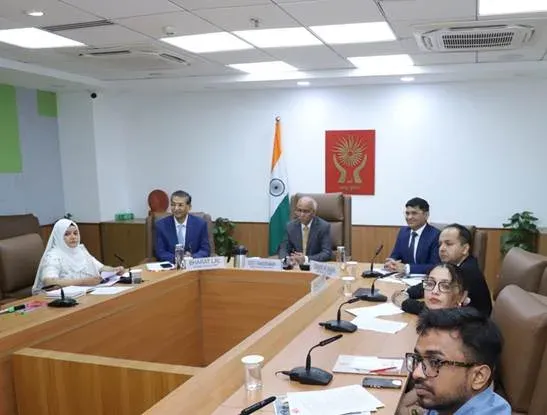
Ramasubramanian virtually attended the First SCO Consultative Meeting of national human rights institutions on Tuesday .
The meeting was held in Bishkek, Kyrgyz Republic , under the Kyrgyz Republic's SCO Chairmanship .
NHRIs and state bodies from Russia, China, Iran, Pakistan, Uzbekistan, Kazakhstan, Tajikistan and Belarus participated.
Justice Ramasubramanian backed a draft protocol on information exchange, best practices and coordinated approaches to human rights issues.
NHRC's ITEC Capacity Building Programme for NHRIs was highlighted as a model for cross-border institutional strengthening.
India reaffirmed support for deeper human rights cooperation within the SCO framework .
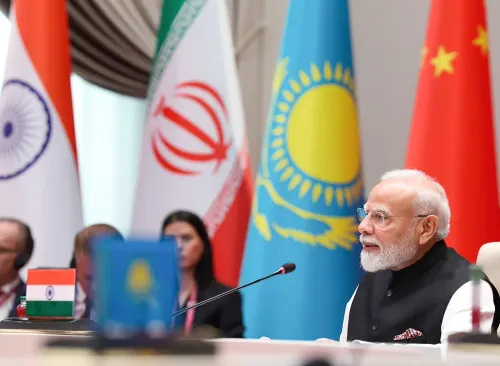
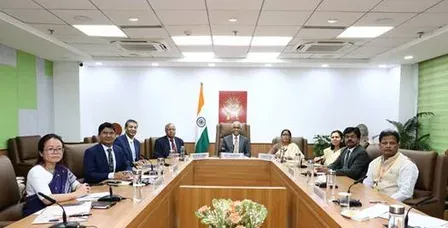
National Human Rights Commission (NHRC) Chairperson Justice (Retd) V. Ramasubramanian on Tuesday virtually attended the inaugural First Consultative Meeting of National Human Rights Institutions, State Bodies and other Organisations of the Shanghai Cooperation Organisation (SCO) member states, marking a significant multilateral engagement for India's apex human rights body.
Meeting at a Glance
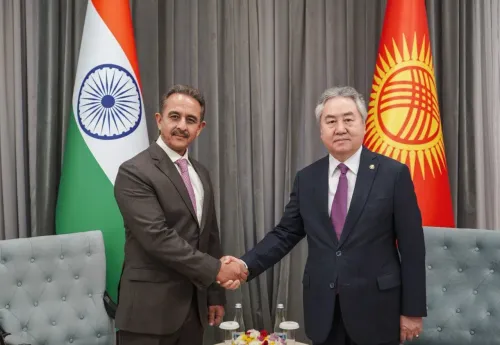
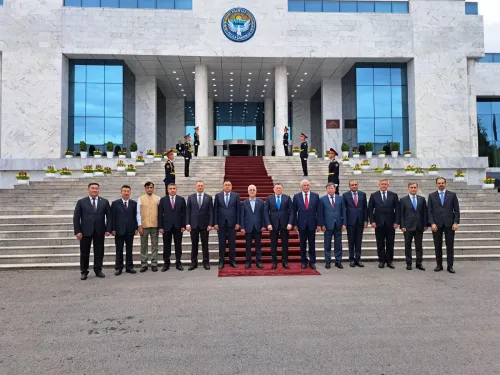
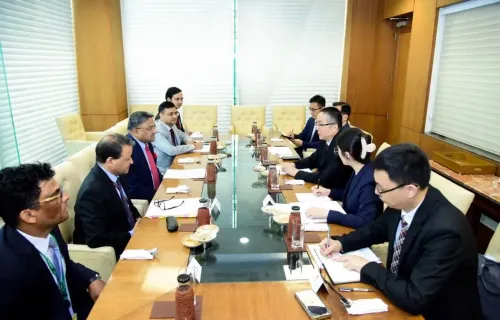
The gathering was hosted in Bishkek, Kyrgyz Republic, under the Kyrgyz Republic's SCO Chairmanship. NHRC Secretary General Bharat Lal and Joint Secretary Samir Kumar also participated. The meeting brought together the Ombudsperson of the Kyrgyz Republic, the Deputy Secretary-General of the SCO, and heads of National Human Rights Institutions (NHRIs) from Russia, China, Iran, Pakistan, Uzbekistan, Kazakhstan, Tajikistan and Belarus, alongside distinguished delegates and domain experts.
What India's NHRC Chief Said
Justice Ramasubramanian commended the Kyrgyz Republic for convening the first such consultative meeting. He described the proposal for regular interaction among NHRIs as 'both timely and forward-looking', arguing it would promote meaningful dialogue, mutual understanding and practical cooperation in addressing contemporary socio-economic and geo-political challenges.
He emphasised that NHRIs play a critical role in strengthening trust between the state and society, and in fostering social stability. He also underscored that any regional cooperation must be guided by the principles of respect for State sovereignty, non-interference in internal affairs, equality and mutual consideration of national interests.
Key Agenda and Draft Protocol
Justice Ramasubramanian welcomed the objectives outlined in a draft protocol covering the exchange of information, dissemination of best practices, expert cooperation and development of coordinated approaches to human rights issues. He noted that regular institutional exchanges would facilitate mutual learning and enhance effectiveness across member states.
He also highlighted the NHRC's Indian Technical and Economic Cooperation (ITEC) Capacity Building Programme for NHRIs, underscoring the value of structured learning, dialogue and cross-border engagement in building institutional capacity across the region.
India's Commitment to SCO Human Rights Framework
The NHRC Chairperson reaffirmed NHRC India's support for deeper cooperation within the SCO framework. He expressed confidence that the newly established consultative mechanism would evolve into an important platform for dialogue, cooperation and the exchange of experiences among institutions dedicated to the promotion and protection of human rights and freedoms.
This is the first time such a consultative mechanism has been formally convened under the SCO umbrella, signalling a growing institutional push to embed human rights dialogue within the bloc's multilateral architecture. Whether the mechanism translates into binding commitments or remains advisory will be closely watched by rights observers.
Point of View
Pakistan, Iran and Russia, states with whom India has active bilateral tensions. Justice Ramasubramanian's emphasis on 'non-interference in internal affairs' and 'State sovereignty' as guiding principles for regional rights cooperation is a calibrated signal: India will engage multilaterally on human rights but will not accept external scrutiny of its own record through such mechanisms. The ITEC plug is smart soft-power positioning, but the real test is whether this consultative body moves beyond platitudes to address actual rights violations within SCO member states — something its founding language conspicuously sidesteps.
NationPress
22 Sept 2026
Frequently Asked Questions
What is the SCO consultative meeting on human rights institutions?
It is the first-ever meeting of National Human Rights Institutions, State Bodies and other Organisations of Shanghai Cooperation Organisation member states, held in Bishkek, Kyrgyz Republic. The meeting aims to establish a regular platform for dialogue, information exchange and cooperation on human rights issues among SCO nations.
Why did NHRC's Justice Ramasubramanian attend the SCO meeting?
As Chairperson of India's National Human Rights Commission, Justice Ramasubramanian represented India at this inaugural multilateral forum to affirm NHRC India's commitment to regional human rights cooperation within the SCO framework. He also highlighted India's ITEC Capacity Building Programme as a model for institutional strengthening.
Which countries participated in the Bishkek SCO human rights meeting?
The meeting included representatives from Russia, China, Iran, Pakistan, Uzbekistan, Kazakhstan, Tajikistan and Belarus, along with the Ombudsperson of the Kyrgyz Republic and the Deputy Secretary-General of the SCO.
What is the draft protocol discussed at the SCO human rights meeting?
The draft protocol covers exchange of information, dissemination of best practices, expert cooperation and development of coordinated approaches to human rights issues among SCO member states. Justice Ramasubramanian welcomed its objectives during the meeting.
What is NHRC's ITEC Capacity Building Programme?
The Indian Technical and Economic Cooperation (ITEC) Capacity Building Programme run by NHRC India is designed to strengthen the institutional capacity of National Human Rights Institutions across partner countries through structured learning, dialogue and cross-border engagement.