NHRC chief warns state rights panels on jurisdiction overreach
Synopsis
The NHRC chief has drawn a clear line: State Human Rights Commissions must stay within their statutory mandate and stop duplicating cases. With 4.28 lakh complaints in five years — nearly one-fifth linked to police violations — the pressure on India's human rights architecture is immense, and jurisdictional overreach is making it worse.
Key Takeaways
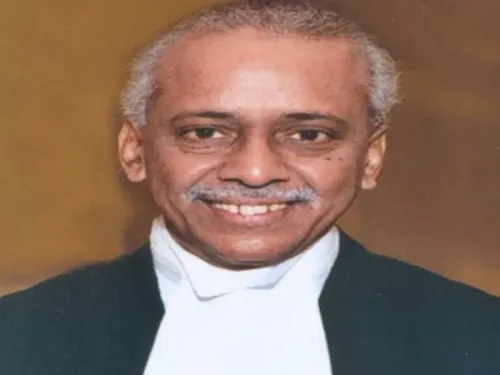
NHRC Chairperson Justice V.
Ramasubramanian cautioned SHRCs against exceeding their jurisdiction at a virtual conference on 19 May .
He urged SHRCs to remain guided by the definition of human rights under the Protection of Human Rights Act .
SHRCs were called on to digitise operations and join the HRCNet common portal.
The NHRC received 4.28 lakh complaints over the last five years ; police-related violations topped the list at 18% .
Member Vijaya Bharathi Sayani highlighted Karnataka 's model of displaying SHRC contact details for public awareness.
Secretary General Bharat Lal and senior NHRC officers, including DG (I) Anupama Nilekar Chandra , were present at the conference.
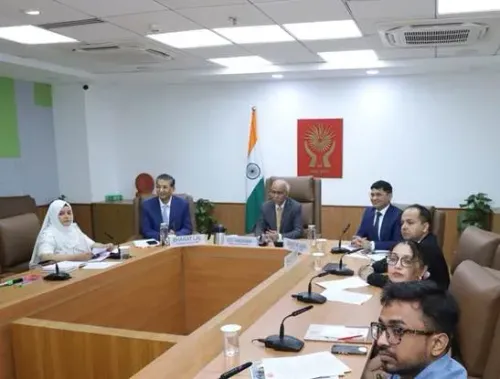
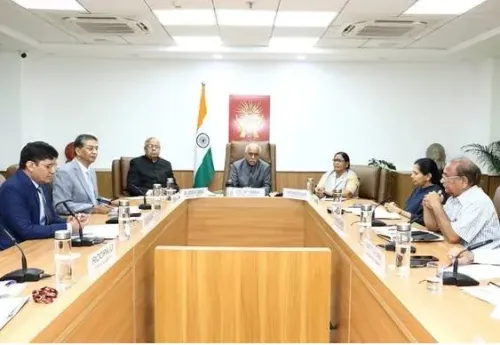
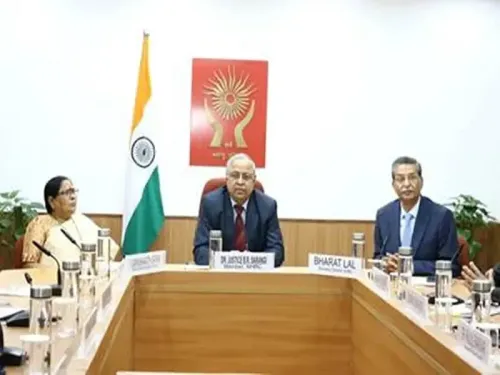
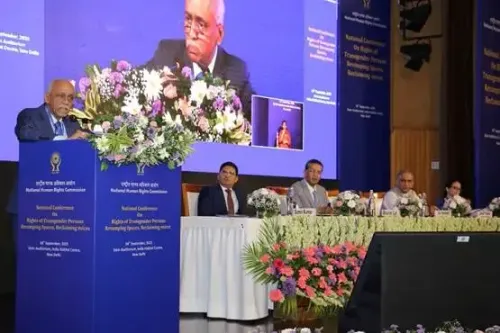
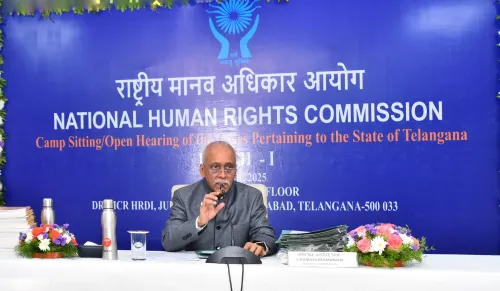
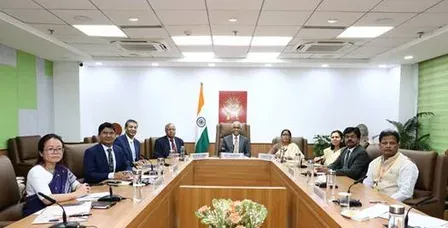
National Human Rights Commission (NHRC) Chairperson Justice V. Ramasubramanian on Tuesday cautioned State Human Rights Commissions (SHRCs) against exceeding their jurisdictional boundaries, stressing the need to eliminate case duplication and strengthen information sharing across human rights institutions. The warning came during a day-long virtual conference held in New Delhi on 19 May.
Key Developments
Addressing SHRCs alongside Special Rapporteurs and Special Monitors, Justice Ramasubramanian underlined that while courts have progressively widened the scope of fundamental rights, human rights bodies must remain anchored to the definition laid out under the Protection of Human Rights Act. He argued that jurisdictional clarity would curb unnecessary litigation and allow Commissions to deliver more effective, higher-quality outcomes for complainants.
Justice Ramasubramanian also called on SHRCs to digitise their operations and integrate with the shared HRCNet portal — the NHRC's common digital platform — expressing hope for closer collaboration and future in-person engagements among the Commissions.
What Senior Members Said
NHRC Member Justice (Dr.) Bidyut Ranjan Sarangi described the interaction between the NHRC and SHRCs as a significant initiative to strengthen coordination. He specifically called for improved communication to ensure timely implementation of orders and delivery of benefits to persons in distress, particularly in sensitive cases such as custodial deaths.
NHRC Member Vijaya Bharathi Sayani urged SHRCs to increase field visits and engage more directly with affected communities. She noted that coordination between SHRCs and NHRC Special Monitors and Special Rapporteurs could meaningfully strengthen institutional effectiveness, and highlighted the Karnataka government's initiative of displaying SHRC contact details for public assistance as a model worth emulating.
Complaint Data: Scale of the Challenge
Secretary General Bharat Lal presented data showing that over the last five years, the NHRC received 4.28 lakh complaints. The breakdown reveals a striking pattern: police-related violations accounted for the largest share at 18%, followed by organised exploitation by mafias at 17.4%. Other significant categories included service matters such as non-payment of pensions and salaries (6%), violations of women's rights (5.8%), conditions in jails and prisons (3.5%), workers' rights violations (2.2%), health-related violations (2%), human rights violations in educational institutions (2%), and child rights violations (1.7%).
Impact on Citizens and Institutions
The volume of complaints — averaging over 85,000 annually — underscores the scale of demand on human rights bodies. Jurisdictional overreach by SHRCs can delay resolution for complainants and create parallel proceedings that burden both institutions and petitioners. The NHRC's push for digital integration through HRCNet is aimed at reducing such friction and improving accountability across the system.
With the conference concluding on calls for greater field engagement and tighter coordination, the NHRC is expected to follow up with formal guidelines on jurisdictional boundaries and digital onboarding timelines for SHRCs.
Point of View
But it raises an uncomfortable question: why have overlapping mandates been allowed to persist this long? The complaint data is the real story — 4.28 lakh grievances in five years, with police violations leading, suggests systemic impunity that no amount of inter-commission coordination will fix on its own. Digitisation and HRCNet integration are useful administrative steps, but the credibility of India's human rights architecture ultimately depends on enforcement, not just information sharing. The NHRC would do well to pair its jurisdictional housekeeping with a public accountability framework for how many of those 4.28 lakh complaints resulted in meaningful relief.
NationPress
22 Oct 2026
Frequently Asked Questions
Why did the NHRC chief warn State Human Rights Commissions?
NHRC Chairperson Justice V. Ramasubramanian cautioned SHRCs against exceeding their statutory jurisdiction to reduce case duplication and unnecessary litigation. He stressed that human rights institutions must operate within the definition set by the Protection of Human Rights Act, even as courts continue to expand the scope of fundamental rights.
What is the HRCNet portal and why is it important?
HRCNet is a common, integrated digital portal connecting the NHRC and SHRCs. Justice Ramasubramanian urged all State Commissions to join it to improve information sharing, coordination, and operational efficiency across India's human rights institutional network.
How many complaints has the NHRC received in the last five years?
The NHRC received 4.28 lakh complaints over the last five years. Police-related violations were the largest category at 18%, followed by organised exploitation by mafias at 17.4%, and service-related matters such as non-payment of pensions and salaries at 6%.
Who attended the NHRC virtual conference on 19 May?
The conference was attended by NHRC Members Justice (Dr.) Bidyut Ranjan Sarangi and Vijaya Bharathi Sayani, Secretary General Bharat Lal, DG (I) Anupama Nilekar Chandra, and senior NHRC officers, along with representatives of State Human Rights Commissions, Special Rapporteurs, and Special Monitors.
What did NHRC Member Vijaya Bharathi Sayani recommend?
Sayani urged SHRCs to increase field visits and engage more directly with affected communities. She also recommended stronger coordination between SHRCs and NHRC Special Monitors and Special Rapporteurs, and praised the Karnataka government's initiative of publicly displaying SHRC contact details as a model for other states.