NIA arrests 15 in Malda over SIR road blockade, judges' detention
Synopsis
The NIA has arrested 15 more people in Malda — bringing total custody to nearly 65 — over the alleged mob detention of judicial officers for up to nine hours during West Bengal's electoral roll revision exercise. With the Supreme Court reportedly watching and the agency probing a larger conspiracy, this is no longer a local law-and-order story: it is a direct challenge to the constitutional machinery of elections.
Key Takeaways
The NIA arrested 15 individuals in Malda, West Bengal on Monday, 26 May 2025 in connection with SIR-linked road blockades and judicial officers' detention.
In one case, 12 accused including Joshim Sk and Asmaul Sk allegedly detained a woman judicial officer for nearly eight hours .
Three others — Alamgir Sk , Nurul Islam , and Habibur Rahman — were arrested for the Bagmara Bridge blockade.
Nearly 50 people had already been arrested before Monday's operation, bringing the total to approximately 65 .
Earlier arrestees include TMC Kaliachak Block President Mohammad Sariul Sheikh and ISF candidate Shahjahan Ali Kadri .
The NIA is probing a possible larger conspiracy behind the coordinated blockades; the Supreme Court reportedly took suo motu cognisance of the incidents.
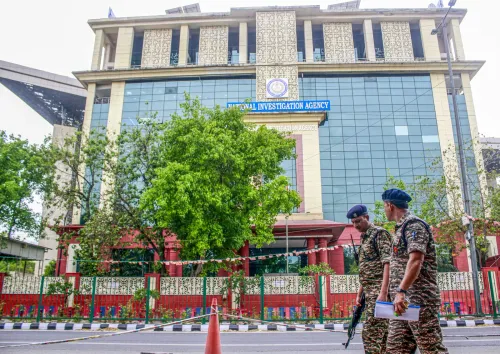
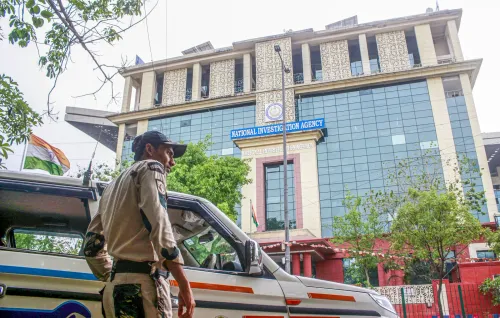
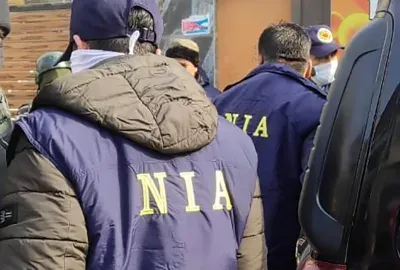
The National Investigation Agency (NIA) arrested 15 individuals on Monday in a special operation across Malda district, West Bengal, in connection with last month's road blockades and the alleged illegal detention of judicial officers conducting the Special Intensive Revision (SIR) exercise of electoral rolls ahead of the state's Assembly elections. The arrests mark a significant escalation in the federal probe into what authorities describe as a coordinated attack on officials performing constitutional duties.
Key Arrests and Charges
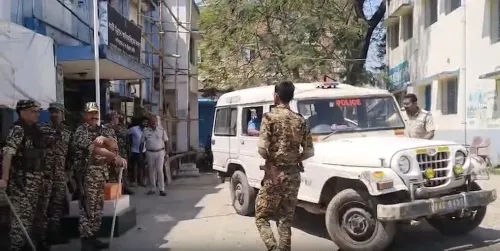
In the first of two linked cases, 12 individuals — including primary accused Joshim Sk and Asmaul Sk — were arrested for allegedly detaining a woman judicial officer for nearly eight hours on the road between Haibatola and Amlitola. In a separate case, three accused — Alamgir Sk, Nurul Islam, and Habibur Rahman — were taken into custody for their alleged role in blocking the Bagmara Bridge in the Mothabari block area.
According to officials, investigations are ongoing to identify and trace additional persons allegedly involved. The NIA is also examining the possibility of a larger conspiracy behind the coordinated blockades and detention of judicial officers.
Background: The April 1 Incident
The case stems from violence that erupted on 1 April at the Mothabari Block Office in Malda during protests linked to the electoral roll revision exercise. Judicial officers engaged in the SIR process allegedly came under attack while discharging official duties. Police rescued the officers from the protest site, but authorities stated that the convoy escorting them was attacked again as it attempted to leave the area.
Reports indicated that seven judicial officers were surrounded by a mob of nearly 200 to 300 protesters near the Kaliachak II block office, allegedly confining them inside the premises for more than nine hours. The officers reportedly went without food or water and allegedly faced verbal abuse and threats before being rescued by security personnel around midnight. Among those reportedly confined were three women officers and an officer accompanied by a five-year-old child. West Bengal Police subsequently described the violence as a pre-planned attack rather than a spontaneous protest.
Earlier Detentions and Accused
Before Monday's operation, nearly 50 people had already been taken into custody in connection with the incidents. Those arrested earlier included advocate Mofakkerul Islam, Trinamool Congress (TMC) Kaliachak Block President Mohammad Sariul Sheikh, Indian Secular Front (ISF) Gram Panchayat member Golam Rabbani, and ISF candidate Shahjahan Ali Kadri. Police had earlier identified advocate Mofakkerul Islam and ISF leader Maulana Shahjahan Ali among the alleged key conspirators.
How the NIA Got Involved
The NIA took over the investigation following directions from the Election Commission of India (ECI) after the Supreme Court reportedly took suo motu cognisance of the incidents. The agency's intervention signals the Centre's view that the matter extends beyond routine law and order into the integrity of the electoral process itself.
Political Fallout
TMC chief and West Bengal Chief Minister Mamata Banerjee accused the Bharatiya Janata Party (BJP) of attempting to manufacture unrest in the state and allegedly plotting to have the West Bengal Assembly elections cancelled in order to impose President's Rule. The BJP has denied the allegations. With the NIA now probing a possible larger conspiracy, the political temperature in West Bengal is expected to remain elevated in the weeks ahead.
Point of View
Not merely a public order breakdown. The alleged nine-hour confinement of judicial officers — including women and a child — during an official electoral exercise is an extraordinary provocation, and the agency's conspiracy angle suggests it suspects political orchestration. Yet the arrests of TMC and ISF-linked figures will inevitably be read through a partisan lens in a state where the BJP and TMC are locked in existential rivalry. The credibility of this probe will hinge on whether the NIA's conspiracy findings are backed by evidence that withstands judicial scrutiny — or whether the investigation itself becomes a flashpoint in the run-up to the Assembly elections.
NationPress
22 Sept 2026
Frequently Asked Questions
Why did the NIA arrest 15 people in Malda?
The NIA arrested 15 individuals in Malda, West Bengal on Monday in connection with road blockades and the alleged illegal detention of judicial officers conducting the Special Intensive Revision (SIR) of electoral rolls. The agency took over the case following directions from the Election Commission of India after the Supreme Court reportedly took suo motu cognisance of the incidents.
What happened to the judicial officers in Malda on 1 April?
On 1 April, judicial officers engaged in the SIR electoral roll exercise were allegedly surrounded by a mob of 200 to 300 protesters near the Kaliachak II block office in Malda. They were reportedly confined inside the premises for more than nine hours without food or water, facing alleged verbal abuse and threats, before being rescued by security personnel around midnight.
Who are the key accused arrested so far in the Malda case?
Key accused arrested include TMC Kaliachak Block President Mohammad Sariul Sheikh, ISF Gram Panchayat member Golam Rabbani, ISF candidate Shahjahan Ali Kadri, and advocate Mofakkerul Islam. The latest batch includes Joshim Sk and Asmaul Sk in the judicial officer detention case, and Alamgir Sk, Nurul Islam, and Habibur Rahman in the bridge blockade case.
What is the Special Intensive Revision (SIR) exercise?
The Special Intensive Revision (SIR) is an exercise conducted by electoral authorities to update and revise voter rolls ahead of elections. In West Bengal, judicial officers were deployed to oversee the process, and it was during this exercise that the alleged attacks and detentions occurred in Malda district.
What has Mamata Banerjee said about the Malda arrests?
West Bengal Chief Minister and TMC chief Mamata Banerjee accused the BJP of attempting to create unrest in the state and allegedly plotting to get the West Bengal Assembly elections cancelled so that President's Rule could be imposed. The BJP has not accepted these allegations.