Punjab twin blasts: NIA suspects ISI link, timed ahead of Op Sindoor anniversary
Synopsis
Days before Operation Sindoor's first anniversary, twin blasts rocked Punjab's Amritsar and Jalandhar — and the NIA says the ISI's fingerprints are all over them. Investigators believe the attacks were timed to signal Pakistan's reach inside India and to fuel a Khalistan revival, with a chilling new strategy: recruit 100 radicalised local youth, strike low, and vanish.
Key Takeaways
The NIA has found an ISI imprint in the twin blasts in Amritsar and Jalandhar , allegedly carried out on instructions from ISI-backed handlers in Pakistan .
The blasts were timed just ahead of the first anniversary of Operation Sindoor (7 May) , reportedly to signal Pakistan's continued ability to strike inside India.
The ISI is allegedly building local cells in Punjab, targeting radicalised youth to carry out low-intensity blasts and grenade attacks at regular intervals.
On 28 April , Patiala Police busted a pro-Khalistan ISI-backed module planning a railway track blast near Shambu , arresting four individuals within 12 hours .
Officials say the ISI aims to recruit at least 100 radicalised youth across Punjab, targeting sensitive and crowded locations.
An Intelligence Bureau official warned that such activities are likely to escalate, with the ISI reportedly shifting focus from Jammu and Kashmir to Punjab.
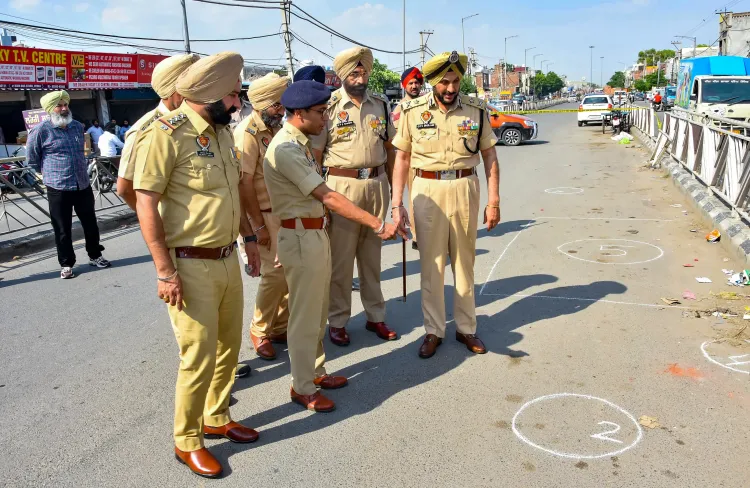
The National Investigation Agency (NIA) has found that the twin blasts in Amritsar and Jalandhar in Punjab bear a clear ISI imprint, with initial findings pointing to instructions from ISI-backed handlers based in Pakistan. The blasts, which occurred just days ahead of the first anniversary of Operation Sindoor, are suspected to have been deliberately timed to send a message and create panic among the public, according to investigators.
The Operation Sindoor Connection
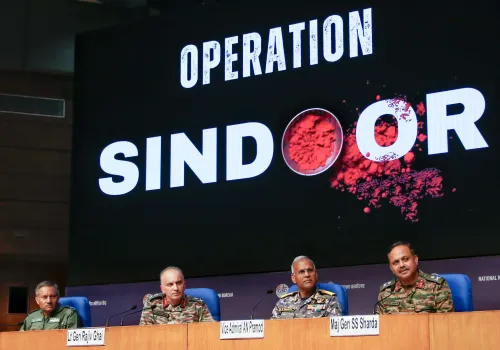
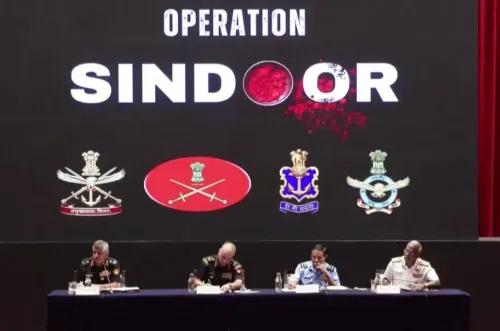
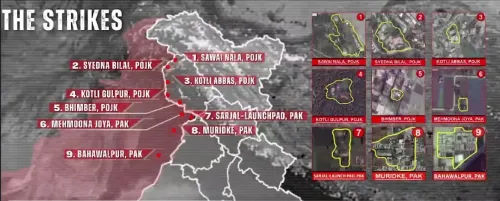
Operation Sindoor was launched by the Indian armed forces on 7 May in response to the Pahalgam attack, targeting a significant amount of terror infrastructure in Pakistan-occupied Kashmir (PoK) and Pakistan. Investigators suspect the Punjab blasts were meant to signal that Pakistan remains capable of striking inside India despite the military operation. According to officials, the larger objective, however, was to sow panic among ordinary citizens.
ISI's Alleged Strategy in Punjab
Officials say the blasts are part of a calculated strategy by the ISI to revive the Khalistan movement in Punjab. The agency has reportedly been identifying and radicalising local youth to carry out low-intensity blasts at regular intervals across the state. According to an official, the ISI is creating local cells in Punjab, guiding recruits to execute blasts and grenade attacks before going underground during a cooling period, only to be activated again for future assignments.
Notably, the strategy of using low-intensity attacks is deliberate. Such attacks require minimal ammunition, making preparation easier and detection harder. An official explained that large-scale attacks demand more effort and time, increasing the risk of information leaks and module busts — a risk the ISI is reportedly unwilling to take.
Recent Arrests and Busted Modules
On 28 April, the Patiala Police busted a pro-Khalistan module allegedly backed by the ISI that had planned to carry out a blast on a railway track near Shambu. Within 12 hours of the probe being launched, police arrested Pardeep Singh Khalsa, Kulwinder Singh, Satnam Singh, and Gurpreet Singh. The role of radicalised youth in the Amritsar and Jalandhar blasts has also come under the scanner of both the Punjab Police and the NIA.
Security Agencies on High Alert
An Intelligence Bureau (IB) official warned that such activities are likely to rise in the coming days, as the ISI reportedly seeks to temporarily shift focus away from Jammu and Kashmir toward Punjab. Officials say the ISI is looking to recruit at least 100 radicalised youth across the state to sustain this strategy, with sensitive and crowded locations identified as primary targets. The NIA is now probing the larger picture, including direct links between the ISI and these attacks, as Punjab Police is urged to remain on high alert.
Point of View
A direct Kashmir-route escalation carries too much military risk. Punjab, with its Khalistan undercurrent and porous social networks, offers a lower-cost, higher-deniability theatre. The use of disposable local recruits — new faces with no police record — is a deliberate counter-intelligence move that makes early detection extremely difficult. What is most alarming is not the blasts themselves but the alleged blueprint: 100 recruits, low-intensity strikes, rotating cells. If accurate, this is not a one-off provocation but the architecture of a sustained destabilisation campaign.
NationPress
24 Sept 2026
Frequently Asked Questions
What is the ISI link in the Punjab twin blasts?
The NIA's initial probe has found that the twin blasts in Amritsar and Jalandhar were carried out on instructions from ISI-backed handlers based in Pakistan. Investigators say the blasts bear a clear ISI imprint and were timed ahead of the Operation Sindoor anniversary.
Why were the Punjab blasts timed around Operation Sindoor's anniversary?
Investigators suspect the timing was deliberate — meant to signal that Pakistan remains capable of striking inside India despite Operation Sindoor, which targeted terror infrastructure in PoK and Pakistan on 7 May. The blasts were also allegedly aimed at creating panic among the public.
What is the ISI's alleged strategy for Punjab?
According to officials, the ISI is building local cells of radicalised youth in Punjab to carry out low-intensity blasts and grenade attacks at regular intervals. The strategy involves recruits striking and going underground, only to be reactivated after a cooling period, with a reported target of recruiting 100 such youth across the state.
Who was arrested in the Patiala ISI module bust?
On 28 April, Patiala Police arrested Pardeep Singh Khalsa, Kulwinder Singh, Satnam Singh, and Gurpreet Singh within 12 hours of launching a probe into a pro-Khalistan ISI-backed module that had planned to blast a railway track near Shambu.
What are security agencies doing in response to the Punjab blasts?
The NIA is probing direct ISI links to the attacks, while Punjab Police and the Intelligence Bureau have been placed on high alert. Officials warn that ISI-backed activities in Punjab are likely to increase as the agency reportedly shifts focus away from Jammu and Kashmir.