CM Nitish: Malahi Pakdi Metro to serve lakhs in East Patna
Synopsis
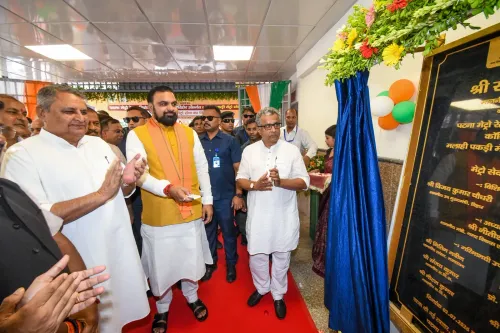
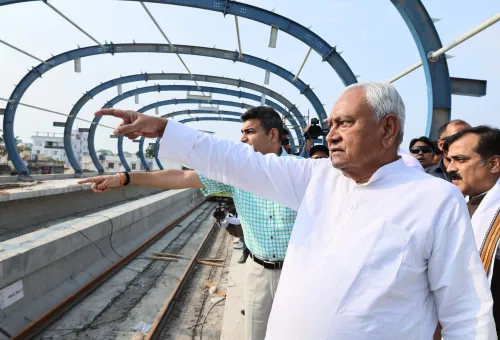
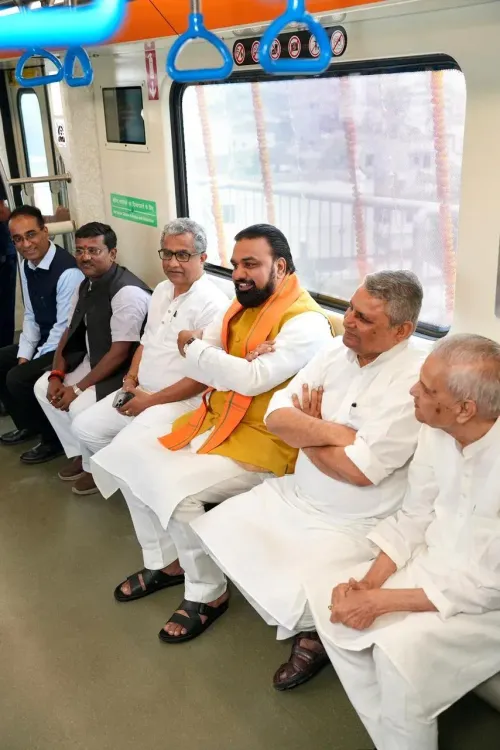
Bihar Chief Minister Nitish Kumar has said the operationalisation of Malahi Pakdi Metro Station will deliver modern and safe public transport to lakhs of residents in eastern Patna, marking a key milestone in the state's Rs 13,000-crore Patna Metro Rail Project approved in 2019.
Key Takeaways
Chief Minister Nitish Kumar stated that Malahi Pakdi Metro Station will provide modern, safe, and improved public transport to lakhs of citizens in East Patna .
The Patna Metro Rail Project was approved by the Government of India in 2019 at an estimated cost of over Rs 13,000 crore .
The project is aligned with the national AMRUT mission for urban rejuvenation and mass transit expansion.
East Patna is a densely populated zone that has historically lacked fast, reliable public transit infrastructure.
Integration with existing bus and e-rickshaw feeder networks remains the next critical step for the Patna Metro system.
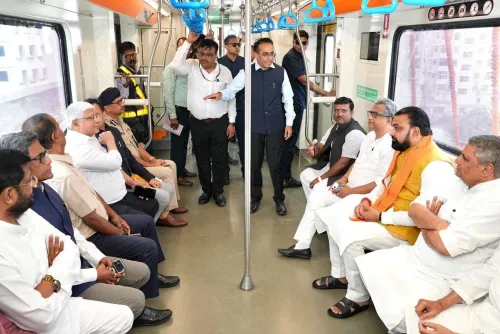
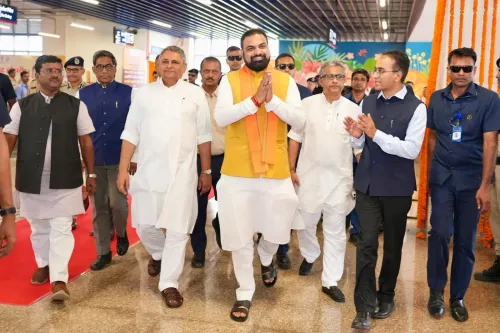
The Chief Minister's Office of Bihar announced on Thursday, 2 July 2026 that Chief Minister Nitish Kumar has highlighted the significance of the upcoming Malahi Pakdi Metro Station, stating that its operationalisation will provide lakhs of citizens in eastern Patna with modern, safe, and improved public transport.
Context
Speaking on the development, the Chief Minister said — 'Malahi Pakdi Metro Station ke sanchalan se purvi Patna ke lakhon nagarikon ko aadhunik, surakshit evam behtar sarvajanik parivahan ki suvidha uplabdh hogi' — that is, 'The operation of Malahi Pakdi Metro Station will make available modern, safe, and better public transport facilities for lakhs of citizens of eastern Patna.' The statement underscores the state government's framing of the metro project as a civic equity initiative, extending urban mobility beyond the city centre.
Policy Backdrop
The Patna Metro Rail Project was approved by the Government of India in 2019 at an estimated cost of over Rs 13,000 crore, to be implemented in phases across Bihar's capital. The project is aligned with the national urban mobility policy and the AMRUT (Atal Mission for Rejuvenation and Urban Transformation) mission, which prioritises mass transit infrastructure in Indian cities facing rapid urbanisation and traffic congestion. Malahi Pakdi is a station on this network specifically planned to serve the densely populated eastern zones of Patna.
Indian states have accelerated metro and urban rail rollouts in their capital cities over the past decade as a response to mounting pressure on road infrastructure. Bihar's push to extend Patna Metro services to East Patna reflects a deliberate effort to distribute connectivity benefits more equitably across the city's geography.
Stakeholders and Impact
The primary beneficiaries are the lakhs of residents in eastern Patna — a densely settled corridor that has historically lacked fast, reliable public transit options. Daily commuters, students, and working professionals in areas served by the Malahi Pakdi catchment zone stand to gain the most from reduced travel times and lower dependence on congested road networks. The development is also expected to ease pressure on bus and e-rickshaw services that currently shoulder much of the passenger load in this part of the city.
Broader economic ripple effects — including improved access to employment hubs and commercial centres in central and western Patna — are anticipated for communities that have long faced last-mile connectivity gaps.
What's Next
Attention will now turn to the phased opening of remaining Patna Metro stations and the integration of metro services with existing feeder networks, including bus routes and e-rickshaw corridors. Seamless multimodal connectivity will be critical to maximising ridership and realising the project's full urban mobility potential. The Bihar government's ability to deliver on commissioning timelines will be closely watched by commuters and urban planners alike.
Frequently Asked Questions
What is Malahi Pakdi Metro Station?
Malahi Pakdi Metro Station is a station on the Patna Metro network planned to serve the eastern areas of Bihar's capital, Patna, providing residents with modern urban rail connectivity.
What did CM Nitish Kumar say about Malahi Pakdi Metro?
Chief Minister Nitish Kumar said that the operationalisation of Malahi Pakdi Metro Station will make available modern, safe, and better public transport for lakhs of citizens in eastern Patna.
What is the Patna Metro Rail Project?
The Patna Metro Rail Project is a mass rapid transit scheme approved by the Government of India in 2019 at an estimated cost of over Rs 13,000 crore, aimed at providing urban rail connectivity across Patna in phases.
Who will benefit from Malahi Pakdi Metro Station?
Lakhs of residents in East Patna — including daily commuters, students, and working professionals — are the primary beneficiaries, gaining faster and safer access to other parts of the city.
Is Patna Metro part of the AMRUT mission?
Yes, the Patna Metro Rail Project is aligned with the national AMRUT (Atal Mission for Rejuvenation and Urban Transformation) mission, which prioritises mass transit infrastructure in rapidly urbanising Indian cities.