Exam Bill 2026: Rajasthan CM Bhajanlal Sharma backs Lok Sabha anti-cheating law
Synopsis
India's most sweeping anti-cheating law just cleared the Lok Sabha. The Public Examinations Amendment Bill 2026 targets paper leaks, exam mafias, and organised malpractice — and Rajasthan CM Bhajanlal Sharma's vocal endorsement signals broad political backing for a law that arrives after years of student protests over compromised competitive exams.
Key Takeaways
The Public Examinations (Prevention of Unfair Means) Amendment Bill, 2026 was passed in the Lok Sabha on 29 July 2026 .
Rajasthan CM Bhajanlal Sharma described the bill as 'historic' and said there is 'no place in New India' for examination fraud.
The legislation targets paper leaks , cheating , and organised examination mafias with a stronger legal framework.
The bill builds on the original Public Examinations Act of 2024 , tightening provisions in response to continued violations.
Sharma reiterated Rajasthan 's commitment to technology-driven, transparent examination conduct at the state level.
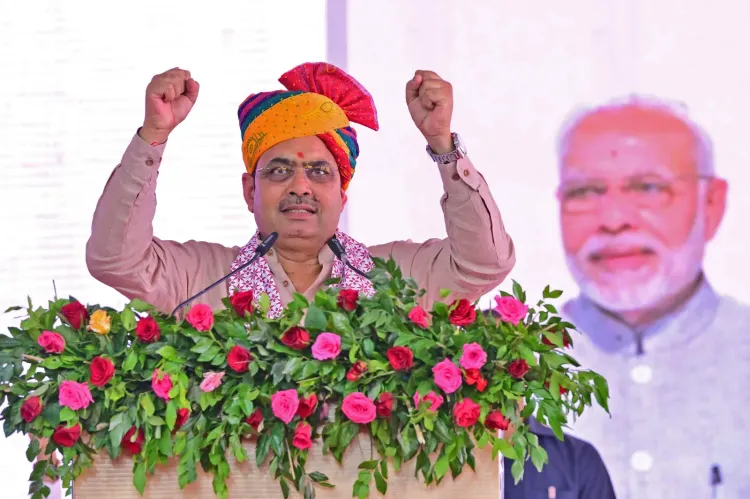
Rajasthan Chief Minister Bhajanlal Sharma on 29 July 2026 welcomed the passage of the Public Examinations (Prevention of Unfair Means) Amendment Bill, 2026 in the Lok Sabha, calling it a historic step that protects the aspirations of crores of young Indians and reinforces their faith in a fair, merit-based competitive examination system.
What the Bill Seeks to Do
The amendment is designed to provide a robust legal framework to combat paper leaks, organised examination mafias, cheating, and other malpractices that have repeatedly undermined the credibility of competitive examinations across India. According to Sharma, the legislation will preserve the sanctity and integrity of recruitment and entrance processes, ensuring that success is determined solely by merit, discipline, and hard work.
What the Rajasthan CM Said
Sharma stated that there was 'no place in New India' for those who tamper with the futures of young aspirants through unfair means. He described the amendment as a 'significant step' towards safeguarding talented and hardworking candidates, and credited Prime Minister Narendra Modi's leadership for consistently advancing the principles of good governance, transparency, and accountability. 'The talent, energy, and innovation of the country's youth are the greatest assets in the journey towards building a Viksit Bharat,' he said, adding that any injustice to their hard work was unacceptable.
Rajasthan Government's Own Commitment
The Chief Minister also reiterated Rajasthan's own commitment to conducting competitive examinations in a fair, transparent, and technology-driven manner. He said the state government had been implementing a series of measures to strengthen the integrity of its examination processes — remarks that come in the context of Rajasthan having faced its own high-profile paper leak controversies in recent years.
Broader Context
The bill arrives amid sustained national outrage over examination irregularities, including controversies surrounding major recruitment and entrance tests that triggered protests by students in multiple states. This is the Centre's most comprehensive legislative response yet to the examination integrity crisis. Notably, the original Public Examinations (Prevention of Unfair Means) Act had already been enacted in 2024; this 2026 amendment signals a further tightening of that framework in response to persistent violations.
What Comes Next
The bill's passage in the Lok Sabha marks a key legislative milestone, though it must complete the full parliamentary process before becoming law. Observers will watch whether the Centre pairs the legislation with institutional reforms — such as independent oversight of examination bodies — to ensure enforcement matches the law's intent.
Point of View
With paper leaks triggering mass protests and legal battles well into 2024. The Centre's legislative response is necessary, but a law alone will not fix the structural rot: under-resourced examination bodies, opaque vendor contracts, and weak whistleblower protections. The real test of the 2026 amendment will be whether enforcement agencies have the teeth and independence to prosecute the networks behind organised exam fraud — not just the students caught with chits.
NationPress
30 Jul 2026
Frequently Asked Questions
What is the Public Examinations (Prevention of Unfair Means) Amendment Bill, 2026?
It is a parliamentary amendment passed in the Lok Sabha on 29 July 2026, strengthening India's legal framework against paper leaks, cheating, and organised examination mafias in competitive exams. It builds on the original Public Examinations (Prevention of Unfair Means) Act enacted in 2024.
Why did Rajasthan CM Bhajanlal Sharma welcome the bill?
Sharma called the bill a historic initiative that protects the merit-based aspirations of crores of young Indians. He said the legislation would reinforce public confidence in the fairness of competitive examinations and that there was no place in New India for those who tamper with students' futures.
What malpractices does the bill target?
The bill specifically targets paper leaks, organised examination mafias, cheating, and other irregularities that compromise the integrity of competitive examinations. It is designed to ensure that success in such exams is determined solely by merit and hard work.
What is Rajasthan's own record on examination integrity?
Rajasthan has faced significant paper leak controversies in recent years, prompting student protests and legal action. CM Sharma reiterated the state government's commitment to conducting exams in a fair, transparent, and technology-driven manner alongside welcoming the central legislation.
What happens next after the Lok Sabha passage?
The bill must complete the full parliamentary process — including passage in the Rajya Sabha and presidential assent — before it becomes enforceable law. Observers are watching whether the Centre will also introduce institutional reforms to support effective enforcement.