Noida International Airport launches commercial flights on 15 June 2026
Synopsis
Noida International Airport — one of India's most ambitious aviation projects — opened for commercial flights on 15 June, with IndiGo flying the first route. Planned across four phases with a final capacity of 225 million passengers and five runways, Jewar is being built to rival the world's busiest airports. Phase one alone can handle 12 million passengers a year.
Key Takeaways
Noida International Airport (Jewar) began commercial operations on 15 June 2026 .
IndiGo launched the inaugural flight from Lucknow at 7:05 am , arriving at Jewar at 8:05 am ; the first regular commercial route is to Bengaluru .
Phase one capacity stands at 12 million passengers annually ; full build-out targets 225 million across five runways .
The airport received its DGCA aerodrome licence on 6 March 2026 and spans 1,334 hectares .
State government projects nearly one lakh direct and indirect jobs from the airport and allied sectors.
IndiGo plans to serve more than 16 destinations from Jewar in phases, including Hyderabad, Amritsar, and Srinagar.
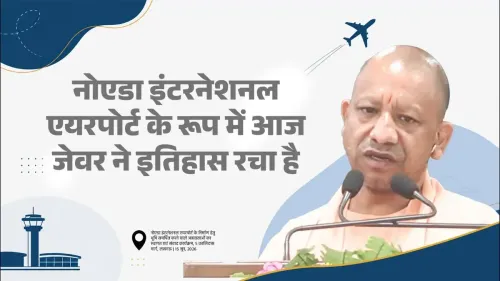
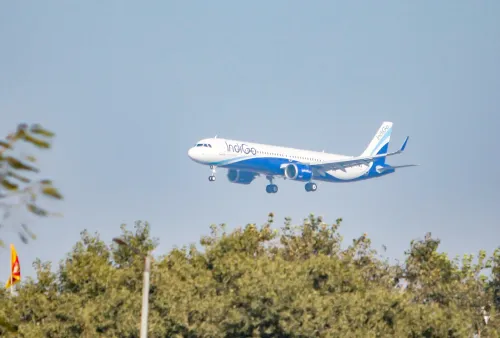
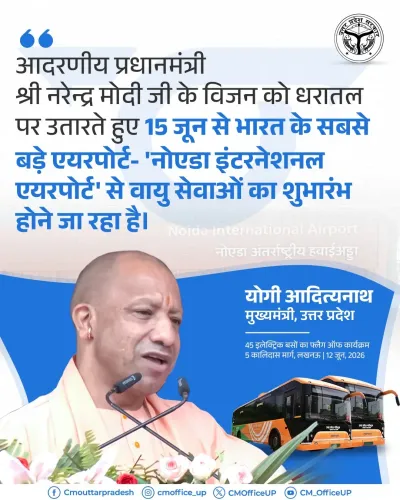
Noida International Airport, located in Gautam Buddh Nagar district along the Yamuna Expressway, commenced commercial flight operations on Monday, 15 June, marking a landmark moment in Uttar Pradesh's aviation growth story. Domestic carrier IndiGo is the first airline to launch scheduled services from the facility, commonly known as Jewar airport.
Inaugural Flight Details
The first flight departed from Chaudhary Charan Singh International Airport, Lucknow at 7:05 am, arriving at Jewar at 8:05 am. Following this inaugural service, the airport's first regular commercial route will operate to Bengaluru, signalling the start of phased connectivity expansion.
Infrastructure and Capacity
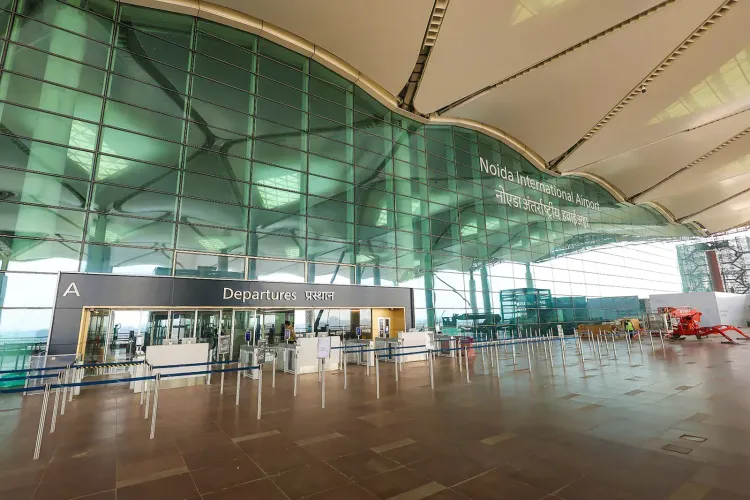
Phase one of the airport has been completed with the capacity to handle approximately 12 million passengers annually. The operational infrastructure comprises a runway, an integrated terminal building, and an air traffic control tower. The facility received its aerodrome licence from the Directorate General of Civil Aviation (DGCA) on 6 March 2026 and spans roughly 1,334 hectares.
The project has been planned across four phases to accommodate long-term growth. Official projections indicate annual passenger capacity will scale to 30 million by 2031, 50 million by 2036, and 70 million by 2040. The final expansion envisions five runways and a total annual capacity of 225 million passengers — a figure that would rank it among the world's largest airports.
Connectivity and Catchment Area
The airport is positioned to serve travellers from western Uttar Pradesh, the Delhi-NCR region, and neighbouring states including Haryana, Rajasthan, and Uttarakhand. IndiGo plans to connect the airport in phases with more than 16 destinations, including Lucknow, Hyderabad, Amritsar, Chandigarh, Jaipur, Srinagar, and Pantnagar.
Economic and Political Significance
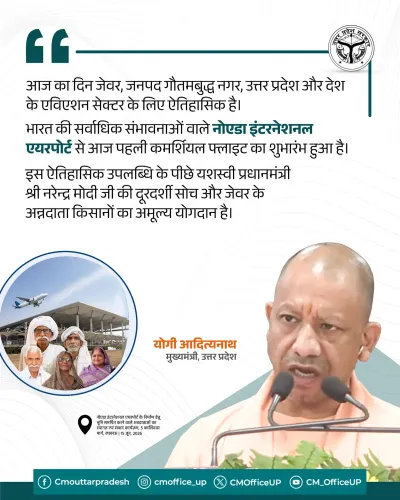
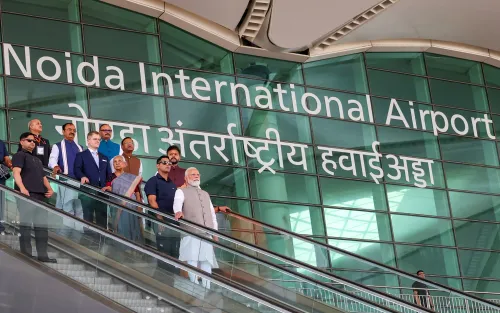
The airport was inaugurated earlier this year by Prime Minister Narendra Modi and is considered one of the Uttar Pradesh government's flagship infrastructure projects. State authorities expect the facility to attract investment across industrial, logistics, warehousing, hospitality, and allied sectors. According to government estimates, the airport is projected to generate nearly one lakh direct and indirect employment opportunities in the coming years.
This comes amid a broader push by the Centre and state governments to develop Tier-2 and peri-urban airports as demand for air travel in India continues to surge. With Delhi's Indira Gandhi International Airport operating near capacity, Jewar is widely seen as a strategic relief valve for the NCR aviation ecosystem. The road ahead will test whether ground connectivity — including the planned metro link — can match the airport's ambitious passenger targets.
Point of View
And western UP has long been underserved by direct air access. But the real test is not the inaugural IndiGo flight; it is whether road and metro connectivity can be delivered fast enough to make Jewar a genuine alternative rather than a distant option. The 225-million-passenger vision is compelling on paper, yet India has a pattern of announcing airport capacity targets that outpace ground-transport buildout by years. If the metro link slips — as urban rail projects in the NCR often do — Jewar risks becoming a hub that passengers avoid precisely because reaching it is harder than flying from it.
NationPress
13 Sept 2026
Frequently Asked Questions
When did Noida International Airport begin commercial flight operations?
Noida International Airport commenced commercial flight operations on Monday, 15 June 2026. IndiGo was the first airline to launch scheduled services from the facility, also known as Jewar airport.
Which was the first flight to operate from Jewar airport?
The inaugural flight departed from Chaudhary Charan Singh International Airport in Lucknow at 7:05 am and arrived at Jewar at 8:05 am. The airport's first regular commercial service subsequently operated to Bengaluru.
What is the passenger capacity of Noida International Airport?
Phase one of the airport can handle approximately 12 million passengers annually. Capacity is projected to grow to 30 million by 2031, 50 million by 2036, and 70 million by 2040, with a final build-out of 225 million passengers across five runways.
Which destinations will IndiGo connect from Jewar airport?
IndiGo plans to connect Noida International Airport with more than 16 destinations in phases, including Lucknow, Hyderabad, Amritsar, Chandigarh, Jaipur, Srinagar, and Pantnagar.
Who will the airport primarily serve?
The airport is designed to serve travellers from western Uttar Pradesh, the Delhi-NCR region, and neighbouring states including Haryana, Rajasthan, and Uttarakhand. It is expected to ease congestion at Delhi's Indira Gandhi International Airport.