NSO to align ASUSE 2027-28 with fiscal year, adds gender and energy queries
Synopsis
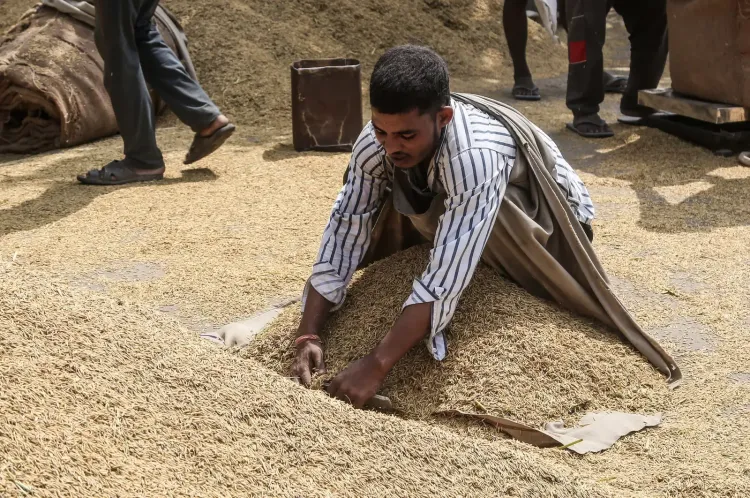
India's NSO is overhauling its key survey of unincorporated enterprises — shifting to a fiscal-year cycle, adding gender-specific questions for female entrepreneurs for the first time, and capturing handloom and energy data at the Ministry of Textiles' request. It is a quiet but meaningful step toward sharper, more policy-ready statistics for a sector that employs hundreds of millions.
Key Takeaways
The NSO will conduct ASUSE 2027-28 from April 2027 to March 2028 , shifting from a calendar-year to a financial-year reference period.
For the first time, the survey will include questions on gender-specific constraints faced by female entrepreneurs in the unincorporated sector.
New questions will capture electricity sources and investment in fixed assets over a longer reference period.
At the request of the Ministry of Textiles , two questions will identify handloom, power-loom, and handicraft establishments .
The fiscal-year alignment brings ASUSE in line with ASI and ASISSE , improving its utility for National Accounts estimation.
The National Statistics Office (NSO) has announced plans to conduct the Annual Survey of Unincorporated Sector Enterprises (ASUSE) 2027-28 from April 2027 to March 2028, shifting the survey window from the calendar year to the financial year for the first time. The decision, disclosed in a statement by the Ministry of Statistics and Programme Implementation (MoSPI) on Monday, 26 October 2026, also introduces a set of new policy-focused questions aimed at improving the depth and utility of data collected from India's vast unincorporated sector.
Shift to Financial Year: What Changes
Until now, ASUSE has followed a January–December calendar-year reference period. The move to an April–March financial-year cycle brings the survey in line with other enterprise surveys, including the Annual Survey of Industries (ASI) and the Annual Survey of Incorporated Services Sector Enterprises (ASISSE). According to MoSPI, this alignment is intended to enhance the utility of ASUSE data for National Accounts purposes, making it easier to reconcile unincorporated sector estimates with the broader economic framework.
New Questions for Female Entrepreneurs
For the first time, ASUSE will include questions specifically designed to capture gender-specific constraints faced by female entrepreneurs in operating and managing their establishments. MoSPI stated that this data will improve the availability of information on challenges confronting women-led enterprises and provide an evidence base for examining the factors affecting their business operations. The addition is expected to broaden the analytical scope of the survey for informing policy discussions on women's participation in economic activity within the unincorporated sector.
Energy, Investment and Handloom Data to Be Captured
Additional questions will seek to document the different sources of electricity used by establishments, offering a more comprehensive picture of energy-use patterns in the unincorporated sector. A separate new question will cover investment in fixed assets over a longer reference period than the existing schedule allows, providing a broader perspective on the investment trajectory and business outlook of enterprises.
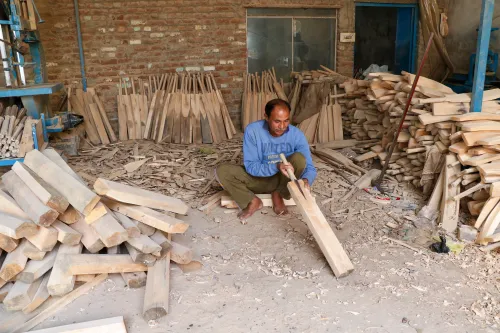
Notably, at the request of the Ministry of Textiles, two questions will be added to identify handloom, power-loom, and handicraft establishments. MoSPI noted that the handloom and handicraft sector sits at the intersection of India's unincorporated economy and traditional knowledge systems, and that granular, actionable data is indispensable for evidence-based policy in this sector.
Continuity of Earlier Quality Measures
MoSPI confirmed that initiatives introduced in earlier rounds of ASUSE to strengthen the quality, coverage, and usefulness of the survey will continue in the 2027-28 edition. Taken together, the changes are designed to enhance the policy orientation of ASUSE and improve its responsiveness to the information needs of multiple ministries and other data users.
The revamped survey, once conducted, will represent one of the more comprehensive statistical exercises covering India's unincorporated sector — a segment that accounts for a significant share of employment and economic output but has historically been difficult to measure with precision.
Point of View
But the more consequential change is the introduction of gender-disaggregated questions for female entrepreneurs — a gap that has long weakened India's evidence base for women-in-economy policy. The handloom addition, driven by the Ministry of Textiles, underlines a broader push to make official surveys respond to sectoral policy gaps rather than default to generic enterprise metrics. The real test will be field execution: unincorporated sector surveys in India have historically struggled with enumeration coverage. A better questionnaire means little if the sampling frame misses the millions of micro-enterprises operating below the administrative radar.
NationPress
26 Oct 2026
Frequently Asked Questions
What is the ASUSE survey and why does it matter?
The Annual Survey of Unincorporated Sector Enterprises (ASUSE) is a national survey conducted by the NSO to collect data on enterprises in India's unincorporated sector — businesses not registered under the Companies Act. It matters because this sector accounts for a large share of India's employment and economic output, yet remains underrepresented in official statistics.
Why is ASUSE 2027-28 being shifted to the financial year?
The NSO is moving the ASUSE reference period from the calendar year (January–December) to the financial year (April–March) to align it with other enterprise surveys like the ASI and ASISSE. According to MoSPI, this change will improve the utility of ASUSE data for National Accounts purposes and make cross-survey comparisons more consistent.
What new questions are being added to ASUSE 2027-28?
ASUSE 2027-28 will introduce questions on gender-specific constraints faced by female entrepreneurs, different sources of electricity used by establishments, investment in fixed assets over a longer reference period, and identification of handloom, power-loom, and handicraft establishments. The last set of questions was added at the request of the Ministry of Textiles.
How will the new gender-focused questions help policymakers?
The new questions are designed to capture specific barriers women face in running unincorporated enterprises, providing an evidence base that has so far been largely absent. MoSPI says this data will inform policy discussions on women's participation in economic activity and help design targeted interventions for female-led businesses.
When will ASUSE 2027-28 be conducted?
ASUSE 2027-28 is proposed to be conducted from April 2027 to March 2028, covering a full financial year for the first time in the survey's history.