NTA exam overhaul: Joshi orders security upgrade after UGC-NET cancellations
Synopsis
Three UGC-NET exams cancelled over question paper errors. Now Education Minister Pralhad Joshi has ordered a sweeping NTA overhaul — 600 experts out, CISF security in, and a four-tier paper-checking system on the way. With NEET-UG 2026 already scrapped over a paper leak, India's premier exam body is fighting for its credibility.
Key Takeaways
Education Minister Pralhad Joshi held a high-level NTA review meeting on 18 August , ordering immediate security and infrastructure upgrades.
Three UGC-NET sessions — English, Commerce, and Sociology — were cancelled after errors were found in question papers.
Re-examinations for English and Commerce are scheduled for 9 September ; Sociology re-exam is on 10 September .
600 experts have been removed from the examination team and new specialists are being onboarded; a four-tier question paper checking system will be introduced.
CISF teams will be deployed at NTA's new office premises; 20–25 officials to be inducted within two to three weeks.
The NTA is also hiring private-sector specialists in cyber security , psychometrics , and question-paper design following the earlier NEET-UG 2026 paper leak crisis.
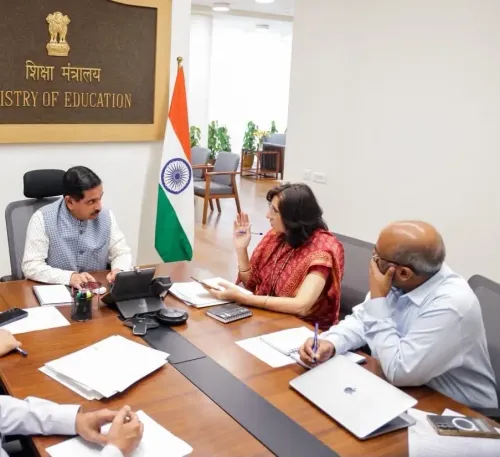
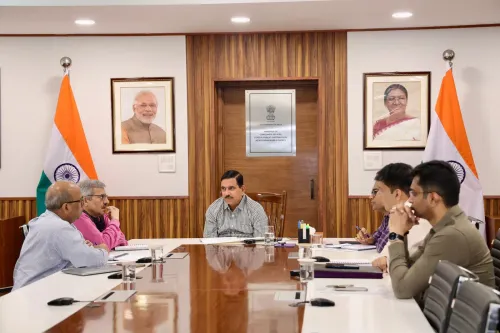
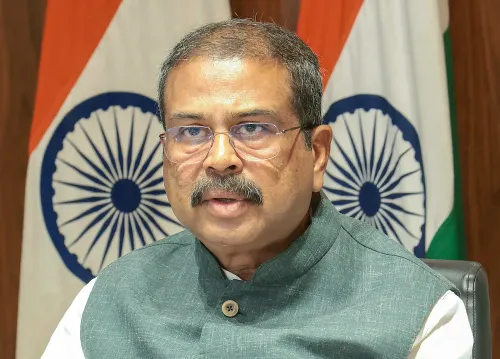
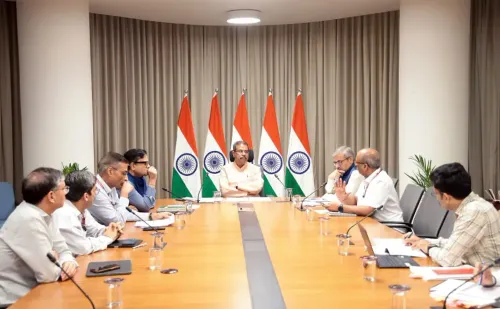
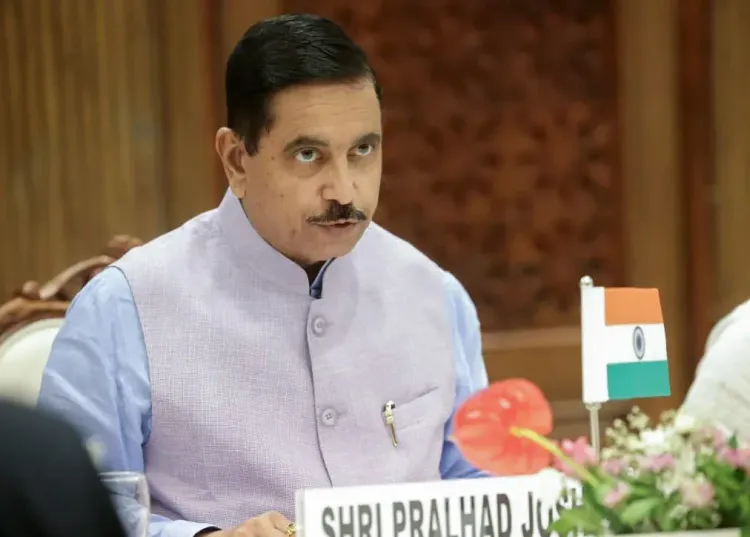
Union Education Minister Pralhad Joshi on Tuesday, 18 August chaired a high-level review meeting on the National Testing Agency (NTA), directing officials to immediately put in place robust security measures and infrastructure upgrades to ensure the smooth conduct of future examinations. The directive follows the cancellation of three University Grants Commission-National Eligibility Test (UGC-NET) sessions — in English, Commerce, and Sociology — after multiple errors and anomalies were detected in the question papers.
Key Directives from the Review Meeting
Following the minister's directions, NTA Director General Abhishek Singh outlined a series of corrective actions to be set in motion. A sweeping revamp of the examination team is already underway, with 600 experts removed and fresh specialists being onboarded in their place. A four-tier question paper checking system will also be introduced to strengthen scrutiny at every stage of paper preparation.
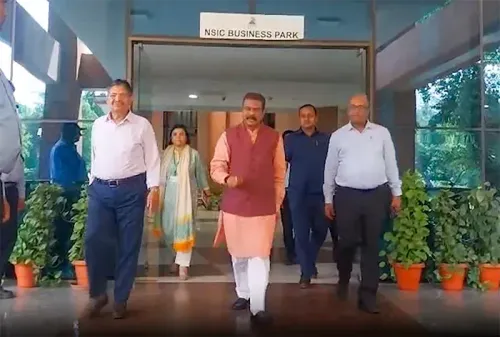
Additionally, 20–25 officials are to be inducted over the next two to three weeks, with a further induction plan also reviewed at the meeting, according to a Ministry statement. The NTA offices are to be relocated to new premises on a war footing, with security reinforced by Central Industrial Security Force (CISF) teams.
Re-examination Dates Confirmed
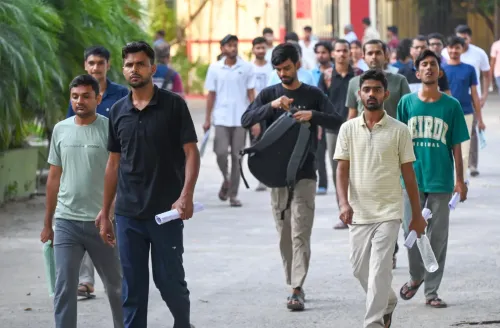
The re-examinations for English and Commerce are scheduled for 9 September, while the Sociology re-examination is set for 10 September. The UGC-NET determines eligibility for appointment as Assistant Professor, admission to PhD programmes, and the award of the Junior Research Fellowship in Indian universities — making its integrity critical for lakhs of aspirants.
Context: A Crisis of Accountability at NTA
The UGC-NET cancellations are the latest in a series of controversies that have placed the NTA under intense public and parliamentary scrutiny. This comes on the heels of the earlier cancellation of the NEET-UG 2026 examination following a paper leak that triggered nationwide protests. Those demonstrations ultimately led to the resignation of then Education Minister Dharmendra Pradhan.
More than 50 staff members were removed in an earlier round of action as part of a broader overhaul to address what officials have described as systemic failures within the agency. Notably, this is not the first structural reset the NTA has undergone — critics argue that without independent oversight, internal restructuring alone may not restore public confidence.
Systemic Reforms in the Pipeline
Minister Joshi has already directed the NTA to overhaul its confidential operations architecture and conduct a comprehensive audit of its examination systems. The agency is also actively recruiting domain specialists from the private sector in the areas of cyber security, psychometrics, and question-paper design — a significant departure from its earlier reliance on in-house expertise.
The scale of the ongoing reform signals that the government is treating the NTA crisis as a structural problem rather than an isolated lapse. Whether these measures translate into a credible, error-free examination cycle remains the central question for millions of students whose academic futures depend on the agency's performance.
Point of View
Now three UGC-NET cancellations — reveal an institution that has outgrown its governance model. Removing 600 experts and adding CISF guards addresses optics, not root cause. The deeper problem is structural: a single agency controlling high-stakes examinations for crores of students with minimal independent oversight. Until an external audit body with real enforcement powers is created, each 'war footing' reset risks becoming the preamble to the next crisis. The government's credibility on education reform will be judged not by the press release, but by whether September's re-examinations are error-free.
NationPress
3 Oct 2026
Frequently Asked Questions
Why were the UGC-NET exams cancelled?
Three UGC-NET sessions — for English, Commerce, and Sociology — were cancelled after multiple errors and anomalies were detected in the question papers. The cancellations intensified scrutiny of the NTA's examination management processes.
When are the UGC-NET re-examinations scheduled?
The re-examinations for English and Commerce are scheduled for 9 September, while the Sociology re-examination is set for 10 September, according to the Ministry.
What reforms has the NTA announced following the review meeting?
The NTA has announced a revamp of its examination team — removing 600 experts and onboarding new ones — along with a four-tier question paper checking system, induction of 20–25 officials within weeks, relocation to new offices with CISF security, and hiring of private-sector specialists in cyber security, psychometrics, and question-paper design.
How does this relate to the NEET-UG 2026 paper leak?
The UGC-NET cancellations follow the earlier scrapping of the NEET-UG 2026 examination due to a paper leak, which triggered nationwide protests and led to the resignation of then Education Minister Dharmendra Pradhan. Both episodes point to systemic failures within the NTA.
Who is affected by the UGC-NET cancellations?
The UGC-NET determines eligibility for appointment as Assistant Professor, admission to PhD programmes, and the award of the Junior Research Fellowship in Indian universities, directly affecting lakhs of postgraduate students and research aspirants across the country.