NEET-UG retest: NTA's student-first model sets new benchmark for national exams
Synopsis
After the NEET-UG paper leak crisis forced a mass cancellation, the NTA pulled off a retest for over 20 lakh students in under a month — deploying seven lakh officials, mental health counsellors, and an extended exam window. PM Modi called it a 'whole-of-government' model worth replicating. The real question is whether this student-first approach outlasts the crisis that created it.
Key Takeaways
The NEET-UG re-examination was held on 21 June at over 5,000 centres across India and 14 centres abroad .
More than 20 lakh candidates appeared, following the cancellation of the 3 May exams due to paper leak allegations.
The NTA mobilised approximately seven lakh officials — police, observers, and exam staff — in under one month.
Student-first measures included transparent water bottles, Tele-MANAS (14416) mental health support, a 15-minute extended exam window, and diabetic accommodations.
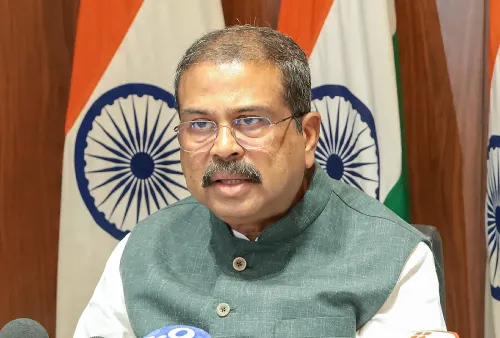
PM Modi praised the exercise at a cabinet meeting, calling it a 'whole-of-government' approach conducted 'smoothly and with integrity.'
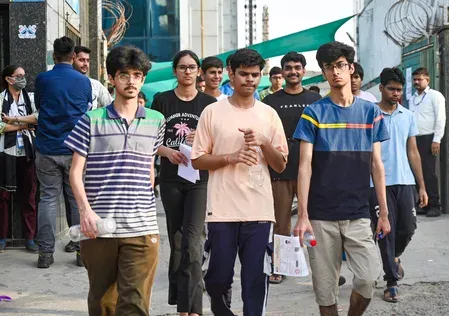
The National Testing Agency (NTA) conducted the NEET-UG re-examination on 21 June across more than 5,000 centres in India and 14 centres abroad, with over 20 lakh candidates appearing for the high-stakes medical entrance test. The retest followed the cancellation of the 3 May NEET-UG exams amid paper leak allegations, and its smooth execution has been widely seen as a significant course correction by the agency.
Background: From Crisis to Course Correction
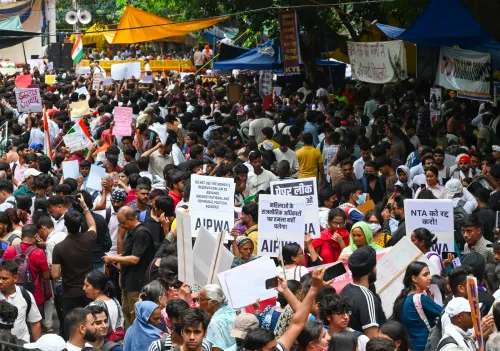
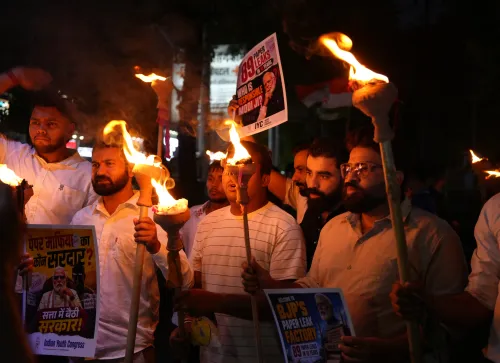
The cancellation of the May 2024 NEET-UG exams triggered intense public criticism and widespread anxiety among 22 lakh medical aspirants and their families. The NTA faced sharp scrutiny over its examination management systems. The June 21 retest represented not just a logistical reset but an opportunity to rebuild institutional credibility — and, by most accounts, the agency seized it.
To pull off the re-examination in under a month, the NTA mobilised approximately seven lakh officials, including police personnel, observers, and examination staff, drawing on Central machinery and multiple government departments in a coordinated effort.
Student-Centric Measures at Exam Centres
What distinguished the June 21 retest was a deliberate shift in approach — from purely administrative execution to a candidate-first experience. Education experts described the exams as not merely a 'big success' but as something 'designed entirely around students.'
Key accommodations included:
Hydration and comfort: Candidates were permitted to carry their own clear, transparent water bottles into examination halls — a practical measure aimed at reducing anxiety during a high-pressure session. All centres were equipped with adequate lighting, fans, and power backup systems.
Medical support: Basic first-aid facilities were stationed at every centre. Diabetic candidates were permitted to carry items such as fruits and sugar tablets.
Stationery provided: The NTA supplied black ballpoint pens at venues, eliminating the need for students to carry their own and reducing potential malpractice vectors.
Extended exam window: The examination session was extended by 15 minutes — from 2:00 pm to 5:15 pm — ensuring that entry formalities did not encroach on actual test time. The question booklet was also redesigned to include four pages of rough workspace, double the earlier provision.
Mental health support: The Tele-MANAS helpline (14416), the government's mental health service, was integrated into the examination ecosystem. Students experiencing stress or anxiety were connected with trained counsellors for guidance and support before and during the exam.
What the Government Said
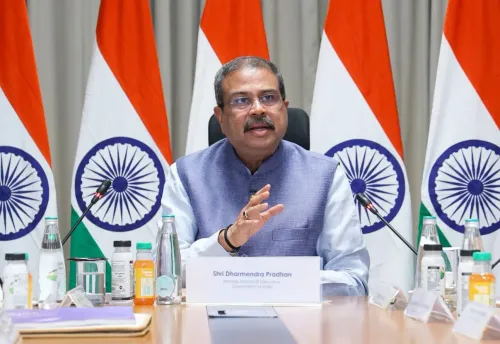
Prime Minister Narendra Modi publicly commended the successful conduct of the NEET-UG re-examination at a cabinet meeting on Wednesday. He described the exercise as demonstrating a 'whole-of-government' approach and said it was organised 'smoothly and with integrity.' Modi also urged that the same coordinated model be adopted for similar large-scale examinations in the future, and commended the ministers involved for what he called fool-proof planning and execution.
Scale and Significance
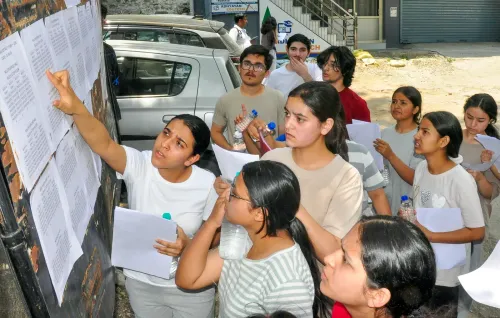
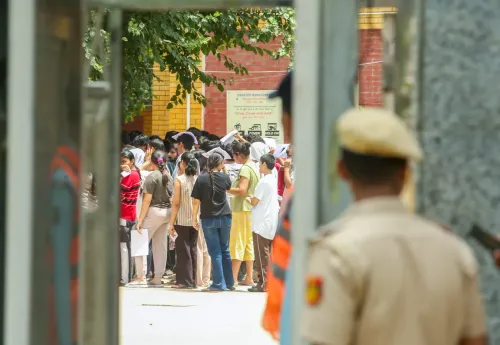
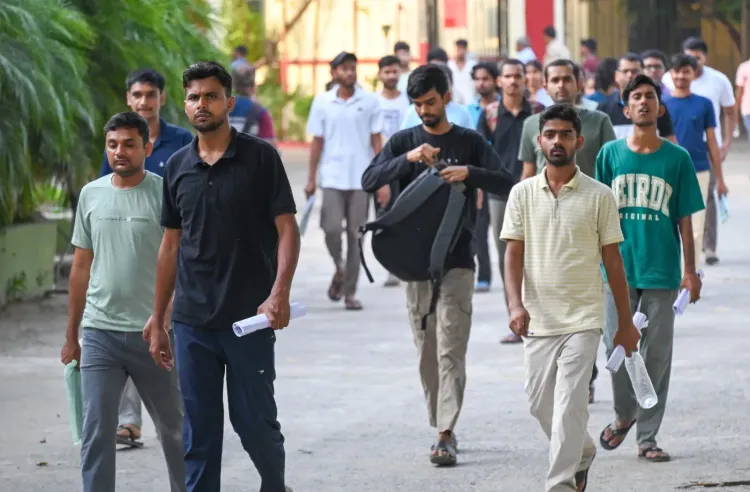
The logistical scale of the retest was notable: seven lakh officials mobilised, over 5,000 domestic centres activated, and international centres operational — all within one month of the cancellation. Education experts and student groups reportedly praised the execution, with many candidates appearing visibly relieved at the successful completion of the re-examination.
Whether the NTA's reformed framework becomes a lasting institutional standard — or a one-time response to crisis — will be closely watched as the agency prepares for its next round of national examinations.
Point of View
But the framing of it as a 'model for the future' deserves scrutiny. The student-centric measures — water bottles, mental health helplines, extra rough pages — are baseline dignities that should never have required a crisis to implement. The deeper question is structural: the paper leak that triggered this retest exposed systemic vulnerabilities in examination security that a well-lit room and a Tele-MANAS number cannot fix. If the 'whole-of-government' energy that mobilised seven lakh officials in a month were applied to overhauling question-paper security protocols year-round, the retest itself would have been unnecessary.
NationPress
24 Sept 2026
Frequently Asked Questions
Why was the NEET-UG retest held on 21 June 2024?
The retest was held because the original NEET-UG examination on 3 May 2024 was cancelled following allegations of a paper leak. Over 22 lakh medical aspirants were affected, and the NTA was directed to conduct a fresh examination.
How many students appeared for the NEET-UG re-examination?
More than 20 lakh candidates appeared for the NEET-UG retest on 21 June 2024, across over 5,000 centres in India and 14 centres abroad.
What special measures did NTA take for the NEET retest?
The NTA introduced several student-centric measures including permission to carry transparent water bottles, provision of black ballpoint pens, a 15-minute extended exam window, basic medical and diabetic support at centres, and integration of the Tele-MANAS mental health helpline (14416) for stressed candidates.
What did PM Modi say about the NEET-UG retest?
Prime Minister Narendra Modi praised the retest at a cabinet meeting, describing it as a 'whole-of-government' approach conducted 'smoothly and with integrity.' He urged that the same coordinated model be adopted for future large-scale examinations.
How many officials were deployed for the NEET retest?
Approximately seven lakh officials — including police personnel, observers, and examination staff — were mobilised across the country to conduct the re-examination, all within one month of the original cancellation.