CM Majhi: 19 livestock camps operational amid Odisha floods

Synopsis
Odisha Chief Minister Mohan Charan Majhi announced on 30 July 2026 that 19 dedicated livestock shelter camps are operational amid severe flooding, providing rescue, food, clean water, and emergency veterinary care to cattle and other animals across the state.
Key Takeaways
19 specialised livestock shelter camps have been activated across flood-hit areas of Odisha.
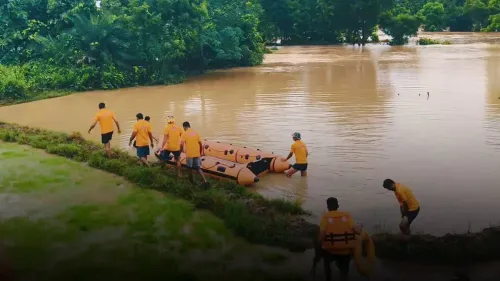
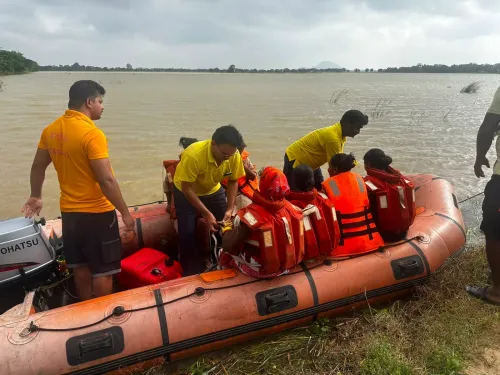
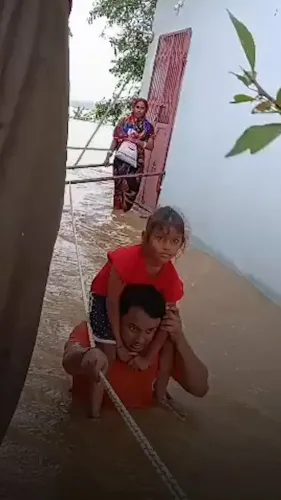
Rescue teams are conducting continuous operations in adverse flood conditions to save cattle and other animals.
Each camp provides food, clean drinking water, and emergency veterinary care to rescued animals.
CM Mohan Charan Majhi confirmed the operations via a post on X on 30 July 2026 .
Livestock rescue directly protects the economic livelihoods of flood-affected farming families who depend on animal husbandry.
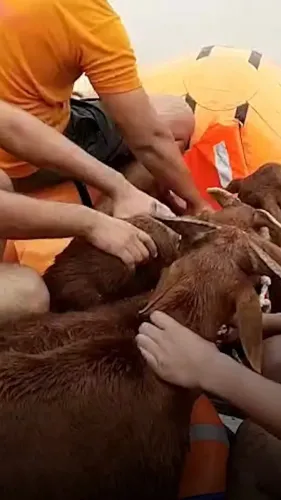
Even as floodwaters grip large parts of Odisha, rescue teams are working around the clock to pull cattle and other animals to safety — and Odisha Chief Minister Mohan Charan Majhi confirmed on Thursday, 30 July 2026 that 19 dedicated livestock shelter camps are now fully operational to protect the state's animal wealth.
Posting in Odia, CM Majhi wrote: 'ପ୍ରତିକୂଳ ବନ୍ୟା ପରିସ୍ଥିତିରେ ଉଦ୍ଧାରକାରୀ ଦଳର ନିରନ୍ତର ପ୍ରଚେଷ୍ଟା ବଳରେ ପ୍ରାଣୀ ସମ୍ପଦ ଉଦ୍ଧାର କାର୍ଯ୍ୟ ଜାରି ରହିଛି' — 'Amid adverse flood conditions, livestock rescue operations continue through the relentless efforts of rescue teams.' The camps are tasked with providing food, clean drinking water, and emergency veterinary care to cattle and other animals displaced by the flooding.
Why livestock rescue matters in a flood
For farming families in Odisha, cattle are not just animals — they are working capital, collateral, and livelihood rolled into one. Losing a draught animal to a flood can set a household back by years. Odisha sits in the path of some of India's most punishing monsoon systems, with rivers like the Mahanadi swelling annually and inundating low-lying agricultural districts across the state's interior and coastal belt.
State administrations have long built disaster response frameworks that go beyond human evacuation — animal rescue and temporary shelter are a recognised part of the flood-relief playbook. The activation of 19 specialised livestock camps this season signals that the scale of the current flooding is significant enough to warrant a coordinated, multi-district response.
Rescue teams on the ground
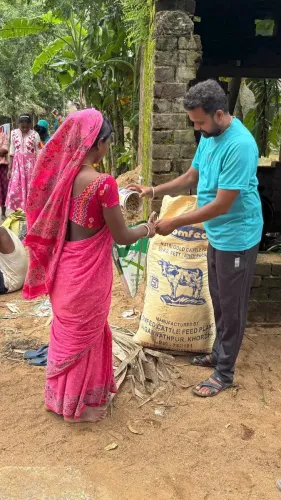
CM Majhi's post underscores that operations are continuous — not a one-time airlift but a sustained effort in challenging, waterlogged terrain. Rescue personnel are navigating adverse conditions to reach stranded animals, ferry them to safety, and then ensure they receive basic care at the camps. The three-pronged support — feed, clean water, veterinary services — is designed to keep animals alive and healthy until floodwaters recede and owners can reclaim them.
The welfare of livestock directly protects the economic footing of flood-affected farmers, many of whom depend on animal husbandry as a primary or supplementary income source. A cow or buffalo that survives the flood is a family's bridge back to normalcy.
With water levels still a live concern, the number of camps and the geographic spread of rescue operations will be the critical indicators to watch in the days ahead.
Point of View
And visible animal welfare during a flood is a direct message to agrarian communities. CM Majhi's public communication of operational details, rather than leaving it to district administration, reflects an effort to project hands-on governance during a crisis. Odisha's institutionalised flood-response tradition, built over decades, means the infrastructure exists — the political choice is how loudly to amplify it. Whether the camp count expands as waters rise will be the real test of administrative bandwidth.
NationPress
14 Sept 2026
Frequently Asked Questions
How many livestock camps has Odisha opened during the 2026 floods?
19 dedicated livestock shelter camps have been made operational across flood-affected areas of Odisha, as announced by Chief Minister Mohan Charan Majhi on 30 July 2026.
What services are provided at Odisha's flood livestock camps?
The camps provide food, clean drinking water, and emergency veterinary care to cattle and other animals rescued from flood-affected zones.
Why does Odisha run livestock rescue operations during floods?
Cattle and draught animals are critical economic assets for farming families. Losing them to floods can devastate household incomes, so Odisha's disaster response framework includes dedicated animal rescue and shelter as part of its flood-relief operations.
Which rivers cause flooding in Odisha?
The Mahanadi is among the primary rivers responsible for annual monsoon flooding in Odisha, along with several other river systems that swell during heavy rainfall and inundate low-lying agricultural districts.
Who is Mohan Charan Majhi?
Mohan Charan Majhi is a BJP leader serving as the Chief Minister of Odisha since June 2024 .