Odisha MLAs boycott VP-inaugurated orientation programme, BJP minister hits back
Synopsis
Odisha's ruling BJP is on the offensive after the BJD and Congress boycotted a Vice-President-inaugurated orientation programme for newly elected MLAs, with minister Suresh Pujari calling it a snub to the country's second-highest constitutional office. The Congress has fired back, arguing the protest targets a democratic deficit — not the VP — sharpening an already tense ruling-vs-opposition dynamic in the 17th Odisha Legislative Assembly.
Key Takeaways
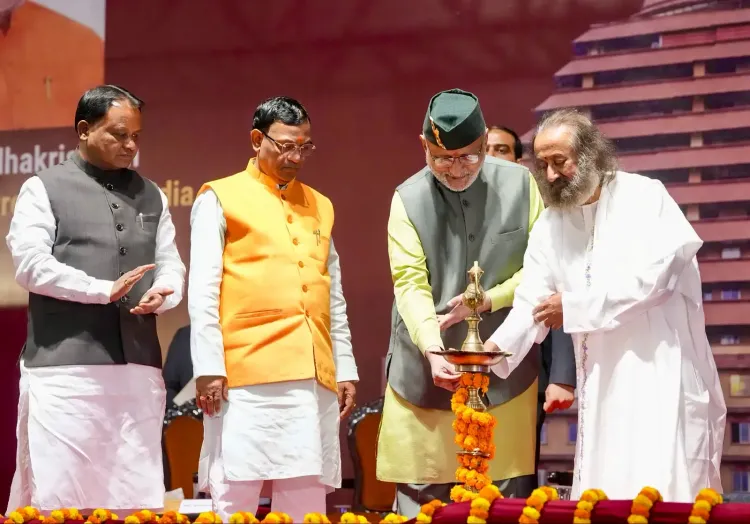
Radhakrishnan inaugurated the one-day orientation programme for 17th Odisha Legislative Assembly MLAs in Bhubaneswar on 16 November .
BJD and Congress MLAs boycotted the event, drawing sharp criticism from Revenue Minister Suresh Pujari .
Pujari alleged the boycott amounted to ‘showing disrespect to the Vice-President of India,’ noting the programme was an OLA initiative, not a government one.
OPCC president Bhakta Charan Das defended the boycott as a protest against the alleged denial of democratic rights for opposition legislators.
Das argued that orientation is meaningless if legislators are not permitted to speak freely in Parliament and state assemblies.
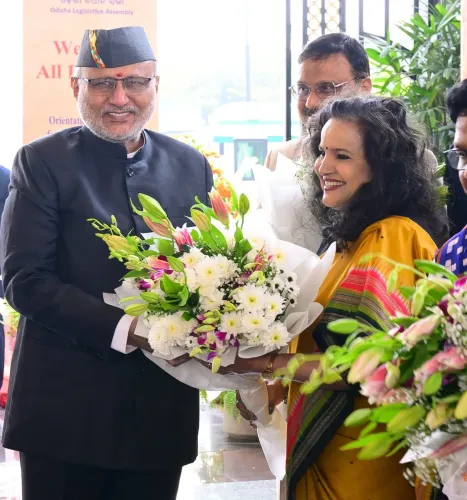
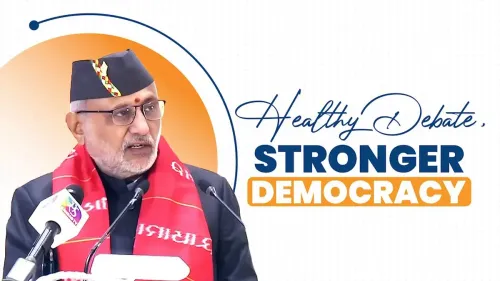
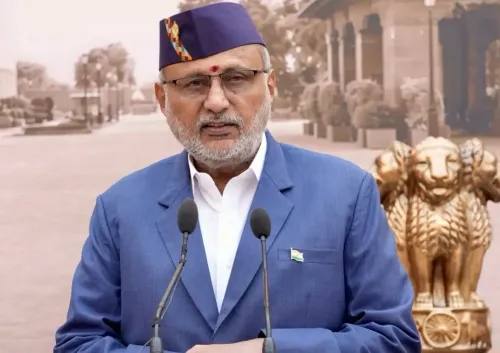
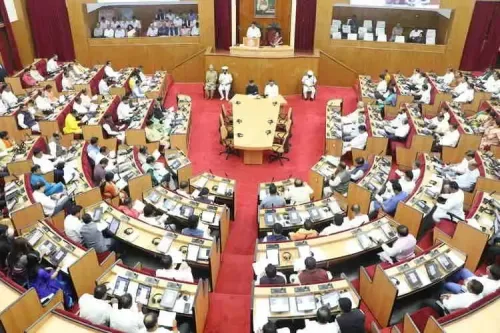
Odisha Revenue and Disaster Management Minister Suresh Pujari on Monday, 16 November sharply criticised Opposition parties for boycotting a one-day orientation programme for newly elected members of the 17th Odisha Legislative Assembly (OLA), calling it an act of disrespect toward the Vice-President of India. The programme, organised by the OLA, was inaugurated by Vice-President C. P. Radhakrishnan at a hotel in Bhubaneswar.
Minister's Charge: Snubbing the Vice-President
Speaking to reporters after the event, Minister Pujari alleged that the absence of legislators from the Biju Janata Dal (BJD) and the Indian National Congress (Congress) amounted to disrespecting the country's second-highest constitutional office. “They have shown disrespect to the Vice-President of India. Had this been an initiative organised by the Government, we often express our disagreement with the Government, voice our displeasure and even boycott its programmes. But this is not being organised by the Government; it is an initiative of the Odisha Legislative Assembly under the leadership of the Speaker,” Pujari said.
The minister stressed that the orientation programme was a non-partisan training exercise and had no political dimension. He described himself as a ‘lifelong learner’ and noted that during his five-year tenure as a Member of Parliament, he attended several such workshops that offered detailed insight into parliamentary procedures, rules, and regulations. The Opposition's absence, he argued, undermined both the dignity of the OLA and the prestige of the Vice-President.
Congress Defends Boycott, Flags Democratic Concerns
Odisha Pradesh Congress Committee (OPCC) president Bhakta Charan Das mounted a pointed defence of the boycott, framing it as a political protest rather than a personal slight against the Vice-President. Das argued that legislators were routinely denied adequate floor time to raise public issues in Parliament and state assemblies, rendering such orientation programmes hollow.
“If legislators are not allowed to speak in Parliament and Assemblies, what kind of democratic training will they receive?” Das questioned. He added that an orientation programme should strengthen democratic practices, legislative accountability, and the rights of elected representatives — not merely spotlight government achievements.
Das further said Congress did not want to become ‘an instrument of the government’ by participating in a programme while larger concerns about democratic functioning remained unaddressed. “We intend to run the House together with the government. We want to represent the Opposition's views and the concerns of the people in Parliament and the Assembly, but we are not being allowed to do so. In such circumstances, what is the benefit of attending an orientation programme?” he said.
Context: A Ruling Party vs Opposition Stand-off
The boycott reflects a broader tension between the ruling Bharatiya Janata Party (BJP)-led government in Odisha and the Opposition benches since the 17th OLA was constituted. The BJD, which governed the state for 24 years before losing power, and the Congress have both expressed frustration over what they describe as restricted space for opposition voices in legislative proceedings. The walkout from a Vice-President-inaugurated event marks a visible escalation of that discontent.
Notably, orientation programmes for newly elected legislators are a standard feature across Indian state assemblies — their primary purpose is to acquaint members with procedural rules, constitutional duties, and administrative processes of the House. Critics of such boycotts have historically argued that legislative training benefits all members regardless of political affiliation.
What Happens Next
The row is likely to spill into the upcoming assembly session, with both sides expected to sharpen their positions on democratic rights and legislative decorum. The Opposition's decision to skip a programme presided over by the Vice-President gives the BJP an optics advantage, while the Congress and BJD's framing around suppressed democratic voices could resonate in the run-up to future electoral cycles. All eyes will now be on whether the two sides find a working arrangement before the next session of the Odisha Legislative Assembly.
Point of View
And the optics are hard for the Opposition to escape. But the Congress rebuttal points to a real and recurring tension in Indian legislatures: orientation programmes that train members in procedure while floors increasingly shut them out of substantive debate. The more interesting question is not whether the boycott was wise, but whether it will accelerate pressure on the Speaker to widen opposition floor time. If that demand goes unmet, expect more such visible gestures from the BJD and Congress as they attempt to consolidate a joint opposition identity in a state where their combined electoral footprint remains fragmented.
NationPress
16 Nov 2026
Frequently Asked Questions
Why did the BJD and Congress boycott the Odisha MLA orientation programme?
The BJD and Congress boycotted the one-day orientation programme for MLAs of the 17th Odisha Legislative Assembly, saying it was a protest against the alleged denial of democratic rights and adequate floor time for opposition legislators — not an act of disrespect toward Vice-President C. P. Radhakrishnan, who inaugurated the event.
What did Odisha minister Suresh Pujari say about the boycott?
Revenue and Disaster Management Minister Suresh Pujari said the boycott amounted to disrespecting the Vice-President of India. He stressed that the programme was an initiative of the Odisha Legislative Assembly, not the government, and had no political dimension, making the absence unjustifiable.
Who inaugurated the Odisha Legislative Assembly orientation programme?
Vice-President C. P. Radhakrishnan inaugurated the one-day orientation programme for newly elected members of the 17th Odisha Legislative Assembly at a hotel in Bhubaneswar on 16 November.
What was the Congress's explanation for skipping the event?
OPCC president Bhakta Charan Das said Congress legislators are routinely denied opportunities to raise public issues in Parliament and assemblies, making such training exercises futile. He framed the boycott as a democratic protest and said Congress did not want to be seen as an instrument of the government.
What is the significance of this row for Odisha politics?
The boycott reflects the larger stand-off between the BJP-led state government and the Opposition since the 17th Odisha Legislative Assembly was constituted. The BJD, which governed Odisha for 24 years, and the Congress are both pushing back against what they describe as restricted legislative space, and their joint boycott of a Vice-President-presided event signals a sharper opposition posture ahead of future assembly sessions.