VP of India Calls for Legislative Literacy in Odisha
Synopsis
The Vice-President of India, quoted by the Odisha CMO on 16 November 2026, called healthy debate and informed decision-making the pillars of democracy, while stressing the need to strengthen Odisha legislators' grasp of parliamentary procedures, practices and ethics for more effective Assembly functioning.
Key Takeaways
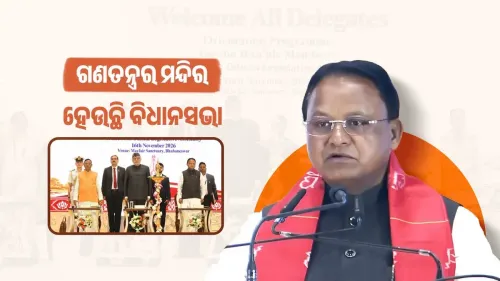
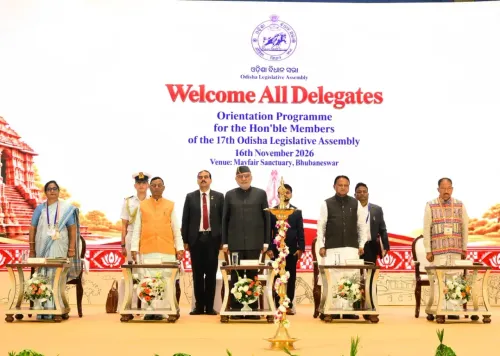
The Chief Minister's Office of Odisha shared remarks by the Vice-President of India on 16 November 2026 on democratic governance and legislative training.
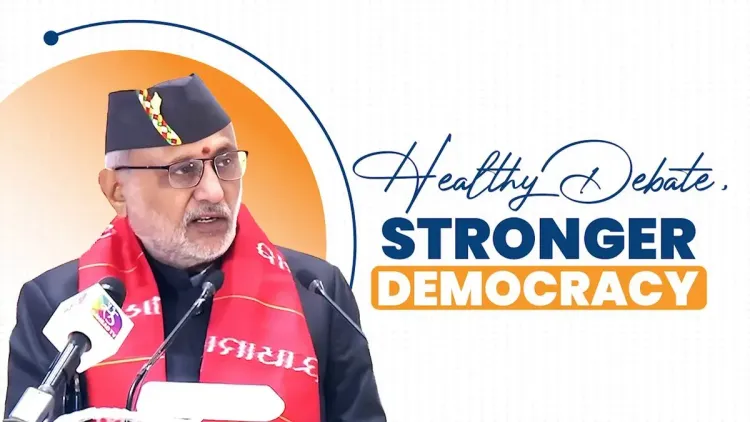
The Vice-President identified 'healthy debate, constructive cooperation and informed decision-making' as the three pillars of a strong democracy.
He called for differences of opinion to be channelled into meaningful discussions anchored to the Constitution and public interest.
Emphasis was explicitly placed on strengthening Odisha MLAs' understanding of legislative procedures, parliamentary practices and ethics.
The initiative fits a broader national pattern of constitutional functionaries pushing procedural literacy programmes at the state assembly level.
Democracy does not run on elections alone — it runs on what happens inside the chamber. The Vice-President of India delivered a pointed reminder of that truth on Monday, 16 November 2026, as the Chief Minister's Office of Odisha shared his remarks underscoring that strong democracies are built on 'healthy debate, constructive cooperation and informed decision-making.'
The Vice-President's three pillars for a functioning legislature
Speaking in the context of a legislative capacity-building effort, the Vice-President of India laid out a clear framework: differences of opinion are not threats to governance — they are raw material for meaningful discussion. The key, he argued, lies in anchoring those differences to 'our shared commitment to the people and the Constitution.' That is a standard both sides of any aisle are expected to meet.
His remarks took a practical turn when he stressed that 'emphasis is being laid on strengthening legislators' understanding of legislative procedures, parliamentary practices and ethics.' The goal: ensuring that every elected member of the Odisha Legislative Assembly can participate effectively — not just attend.
Why Odisha's MLA training push matters now
The Vice-President also holds office as the ex-officio Chairman of the Rajya Sabha, making his voice on procedural literacy one of the most constitutionally weighted in the country. When he speaks about legislative ethics and parliamentary practices, it carries the full authority of that dual role.
Odisha joins a growing list of states that have invested in orientation and refresher programmes for their legislators — a tradition that traces back to the 1950s but has gained renewed momentum in recent years. The broader national pattern reflects concern among senior constitutional figures that disruptions and procedural gaps are costing assemblies productive legislative time and public trust.
For the Odisha Legislative Assembly, a unicameral body responsible for law-making, oversight and development priorities across the state, the stakes are direct: more procedurally literate legislators translate into faster, sharper, more accountable lawmaking on the ground.
What to watch as the session approaches
The CMO's decision to amplify the Vice-President's remarks signals that the state government views legislative capacity-building as a governance priority worth broadcasting publicly. Watch for formal announcements of specific training modules or workshops for Odisha MLAs, and for any reference to this initiative when the next Assembly session convenes. The Vice-President's framing — Constitution first, partisanship second — sets a benchmark that will be tested the moment the chamber reconvenes.
Point of View
Amplified by the Odisha CMO, reflect a deliberate effort by senior constitutional authorities to reframe legislative disruption as a governance failure rather than a political inevitability. By tying procedural training to constitutional obligation, the statement subtly raises the accountability bar for all elected members regardless of party. For Odisha, publicising this message ahead of a likely Assembly session signals that the ruling establishment wants to project institutional seriousness. Nationally, it continues a quiet but consistent campaign by Raj Bhavan-tier offices to restore assembly decorum — a campaign that tends to gain visibility precisely when legislatures are under public scrutiny for unruly conduct.
NationPress
16 Nov 2026
Frequently Asked Questions
What did the Vice-President of India say about Odisha's legislature?
The Vice-President said healthy debate, constructive cooperation and informed decision-making are the pillars of a strong democracy, and stressed the need to strengthen Odisha legislators' understanding of parliamentary procedures, practices and ethics for effective Assembly participation.
Why is Odisha training its MLAs on legislative procedures?
The initiative aims to ensure that elected members of the Odisha Legislative Assembly can participate effectively in proceedings, reducing disruptions and improving the quality of lawmaking and oversight.
What role does the Vice-President play in Indian Parliament?
The Vice-President of India serves as the ex-officio Chairman of the Rajya Sabha, the upper house of Parliament, giving the office significant authority over parliamentary conduct and procedures.
How long have Indian legislatures been running MLA training programmes?
Orientation and refresher programmes for legislators on rules of procedure and ethics have existed in India since the 1950s, with renewed emphasis and expansion in the 2000s and beyond.
Which state body shared the Vice-President's remarks on November 16 2026?
The Chief Minister's Office of Odisha shared the Vice-President's remarks via its official account on X on 16 November 2026.