Odisha Dy CM Pravati Parida sets time-bound goals for women and child development
Synopsis
Odisha Deputy CM Pravati Parida has moved swiftly after the national Women and Child Development summit, chairing a review to set state-specific, time-bound targets across nutrition, child protection, women's safety, and economic empowerment — including a new Women's Economic Empowerment Framework to be rolled out across all 30 districts.
Key Takeaways
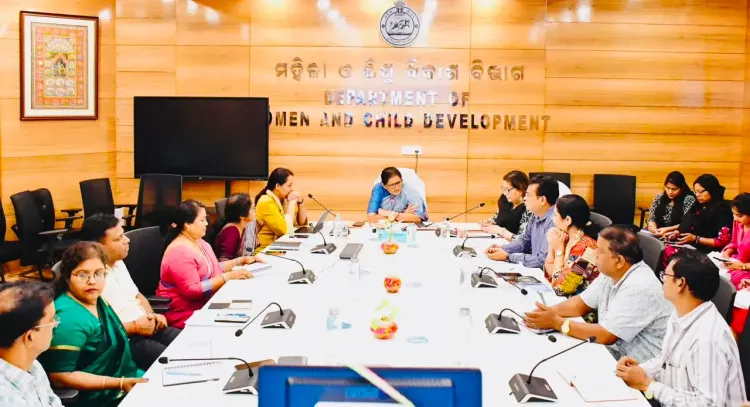
Deputy CM Pravati Parida chaired a review meeting in Bhubaneswar on 16 October 2026 to implement outcomes from the national Departmental Summit on Women and Child Development.
The state will focus on four thematic areas : nutrition and early childhood development, child protection, women's safety, and women's empowerment.
Child marriage prevention campaigns will target 12 high-prevalence districts with village-level vulnerability mapping.
A Women's Economic Empowerment Framework will be operationalised across all 30 districts of Odisha.
A state-level summit is being planned to deliberate on priorities and accelerate interdepartmental coordination.
Workplace safety will be strengthened under the POSH framework and SHe-Box , while Mission Vatsalya will prioritise family-based care over institutionalisation.
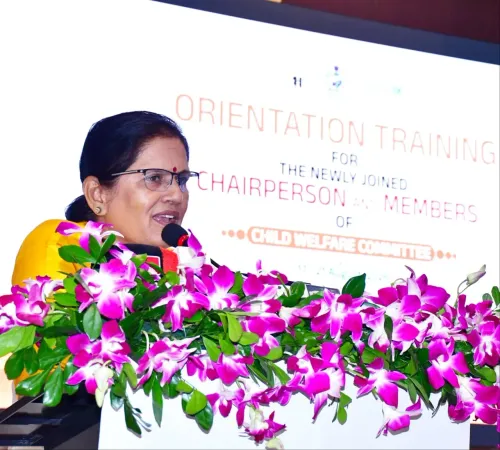
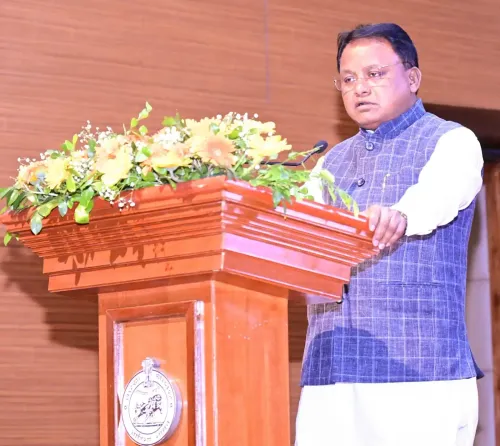
Odisha Deputy Chief Minister Pravati Parida on Friday, 16 October 2026, chaired a high-level review meeting in Bhubaneswar to translate the outcomes of the national Departmental Summit on Women and Child Development into concrete, time-bound action plans for the state. Parida, who also holds the Women and Child Development portfolio, stressed the urgency of interdepartmental coordination, robust monitoring, and measurable implementation to deliver tangible benefits for women and children across Odisha.
Background: National Summit and Odisha's Mandate
The review follows the Departmental Summit convened by the Union Ministry of Women and Child Development in New Delhi on 8 and 9 October, held in the presence of Prime Minister Narendra Modi. The Odisha government's meeting sought to align state priorities with the summit's action points and establish a clear roadmap for implementation. A state-level summit on the four thematic areas — nutrition and early childhood development, child protection, women's safety, and women's empowerment — is reportedly being planned to further deliberate on priorities and accelerate coordination across departments.
Nutrition and Early Childhood Development
Under this pillar, the state aims to improve Take-Home Ration and hot-cooked meals, strengthen nutrition monitoring through the Poshan Tracker, and ensure early identification and referral of children with severe acute malnutrition. Additional priorities include enhancing Early Childhood Care and Education (ECCE) at Anganwadi Centres, integrating locally sourced nutritious food, boosting parental engagement, and facilitating smoother transitions for children into formal schooling.
Child Protection and Women's Safety
Under Mission Vatsalya, the government will focus on identifying vulnerable households and promoting family-based care over institutionalisation. Rehabilitation and aftercare for children leaving institutional care will be strengthened, alongside improved integration of child-protection data and regular accountability reviews. For women's safety, the state plans to bolster One Stop Centres and Women Helpline 181, and improve coordination among police, health, legal, and rehabilitation services. Child marriage prevention will include community participation, village-level vulnerability mapping, and targeted campaigns across 12 high-prevalence districts. Workplace safety will be reinforced under the POSH framework and SHe-Box.
Women's Empowerment and Economic Agency
The empowerment agenda covers expanding crèches and hostels for working women, strengthening the Beti Bachao Beti Padhao initiative, and improving convergence between the Pradhan Mantri Matru Vandana Yojana and Odisha's own Mamata scheme. Notably, the state will operationalise a Women's Economic Empowerment Framework across all 30 districts, tracking workforce participation, earnings, entrepreneurship, and economic agency through district-level targets and dedicated monitoring mechanisms.
What Comes Next
Parida emphasised the need to address existing implementation gaps and improve the quality, accessibility, and effectiveness of public services for women and children. With the state-level summit in the pipeline and a Women's Economic Empowerment Framework set for rollout across all districts, the coming months will test whether Odisha can convert national summit commitments into on-ground outcomes.
Point of View
But the real measure will be execution — particularly the Women's Economic Empowerment Framework, which promises district-level tracking of workforce participation and earnings across all 30 districts, a level of granularity rarely achieved in state welfare programmes. The emphasis on family-based care under Mission Vatsalya and targeted child marriage campaigns in 12 districts suggests the state is moving beyond generic commitments. Yet, without independent monitoring and publicly reported progress metrics, the risk of these action points fading into routine bureaucratic cycles remains real.
NationPress
17 Oct 2026
Frequently Asked Questions
What did Odisha Deputy CM Pravati Parida announce on 16 October 2026?
Deputy CM Pravati Parida chaired a review meeting in Bhubaneswar to set time-bound state-level goals emerging from the national Departmental Summit on Women and Child Development held in New Delhi on 8-9 October. The goals span nutrition, child protection, women's safety, and women's empowerment across Odisha.
What is the Women's Economic Empowerment Framework in Odisha?
It is a new framework the Odisha government plans to operationalise across all 30 districts, tracking women's workforce participation, earnings, entrepreneurship, and economic agency through district-level targets and monitoring mechanisms. It is one of the key outcomes of the post-summit review.
Which districts are targeted for child marriage prevention in Odisha?
The state has identified 12 high-prevalence districts for targeted child marriage prevention campaigns. The approach includes community participation and village-level vulnerability mapping.
What is Mission Vatsalya and how does it apply in Odisha?
Mission Vatsalya is a central government child protection initiative. In Odisha's implementation, the focus will be on identifying vulnerable households, promoting family-based care over institutionalisation, and strengthening rehabilitation and aftercare for children leaving institutional care.
What is the next step after the review meeting?
The Odisha government plans to organise a state-level summit on the four thematic areas to deliberate on priorities and accelerate interdepartmental coordination, following the national Departmental Summit attended by PM Modi on 8-9 October in New Delhi.