Odisha CM Majhi calls coordinated push against El Nino farm risks
Synopsis
Odisha is not waiting for El Niño to strike — Chief Minister Majhi has already activated gram-panchayat-level fertiliser watch committees, ordered a kharif contingency plan, and set in motion the expansion of ODRAF by 10 units. With global fertiliser supply under pressure from Middle East instability, the state's pre-emptive posture could be the difference between a managed disruption and an agrarian crisis.
Key Takeaways
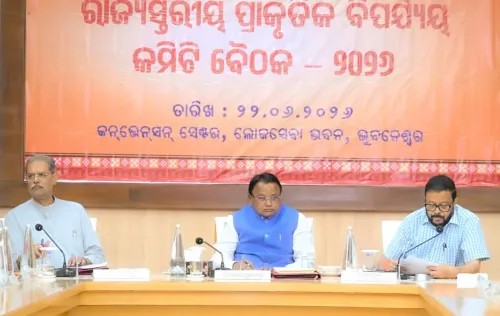
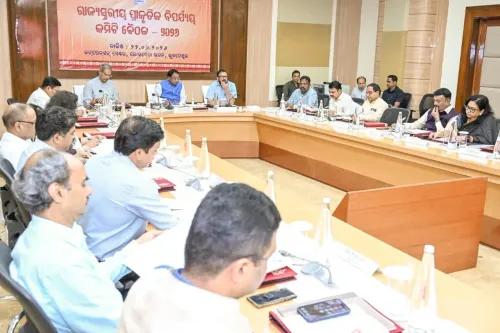
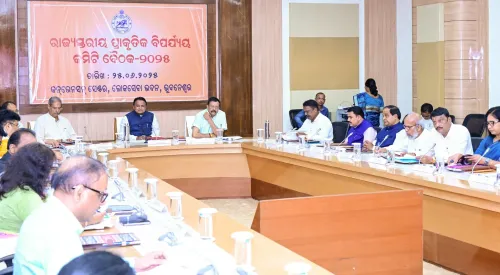
Chief Minister Mohan Charan Majhi chaired a State-Level Natural Calamity Committee review in Bhubaneswar on 22 June to assess El Niño preparedness.
The Agriculture Department has been directed to prepare a comprehensive contingency plan for the kharif season against El Niño-linked rainfall deficits.
Gram-panchayat-level monitoring committees have been constituted to curb fertiliser black-marketing , with district collectors tracking urea and nano urea stocks amid global supply concerns.
Each of Odisha's 911 cyclone shelters receives ₹6 lakh annually for upkeep; 10 additional ODRAF units are being raised alongside the existing 20 teams .
Odisha's Zero Casualty policy received praise from BRICS member nations at a recent technical meeting in Puri .
The state has declared untimely rainfall a state-specific disaster, making affected farmers eligible for formal relief.
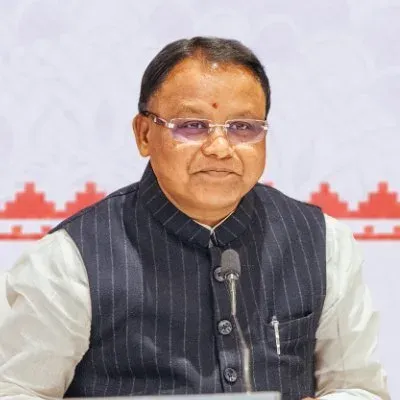
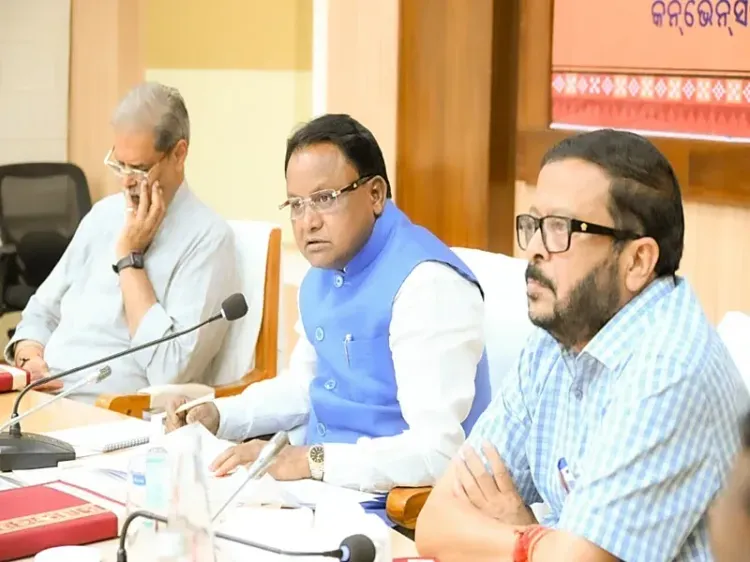
Odisha Chief Minister Mohan Charan Majhi on Monday, 22 June convened a high-level review of the state's disaster preparedness framework in Bhubaneswar, directing all departments to adopt a 'whole-of-government approach' to counter the potential impact of El Niño on the kharif farming season. The meeting, chaired by Majhi under the State-Level Natural Calamity Committee, underscored Odisha's intent to protect both lives and agricultural livelihoods ahead of what could be a challenging monsoon cycle.
El Niño and the Kharif Season Risk
According to the Chief Minister's Office (CMO), the review meeting held detailed deliberations on how El Niño could suppress annual rainfall and disrupt crop planning across the state. Majhi directed the Agriculture Department to prepare a comprehensive contingency plan to cushion the agricultural sector against adverse weather outcomes. A state-level monitoring mechanism has been activated to track rainfall patterns, reservoir water levels, crop planning timelines, and the supply chain for fertilisers and seeds on a rolling basis.
Fertiliser Security Amid Global Uncertainty
With ongoing instability in the Middle East threatening to trigger a global fertiliser shortage, district collectors have been instructed to closely monitor the availability of urea and complex fertilisers and ensure adequate stocks of nano urea wherever required. To prevent black-marketing, monitoring committees have been constituted in every gram panchayat to oversee fertiliser distribution and availability at the grassroots level.
Odisha's Disaster Management Record
Majhi highlighted the state's globally recognised 'Zero Casualty' policy during the meeting. He noted that at a recent technical meeting of the BRICS Disaster Risk Reduction Working Group held in Puri, member nations praised Odisha's long-standing disaster mitigation mechanisms. Citing large-scale evacuations during Cyclone Mocha and Cyclone Dana, the Chief Minister credited coordinated government action for minimising casualties. The state has also declared untimely rainfall a state-specific disaster, enabling affected farmers to access formal assistance and relief.
Infrastructure and Force Expansion
Each of the state's 911 multipurpose cyclone shelters receives ₹6 lakh annually from district administrations for maintenance and to ensure drinking water, lighting, and cooking arrangements are in place before any disaster strikes. The existing 20 Odisha Disaster Rapid Action Force (ODRAF) teams and 347 fire service stations are fully equipped and operationally ready, while the process of raising 10 additional ODRAF units is currently underway. 'The combined efforts of the government and the people are essential to preserve Odisha's distinct identity and achievements in disaster management. All departments must work in close coordination and remain committed to safeguarding the lives and livelihoods of the people of Odisha,' Majhi said.
What Comes Next
The Agriculture Department is expected to submit its El Niño contingency plan shortly, with implementation timelines tied to the progression of the monsoon. The activation of gram-panchayat-level fertiliser monitoring committees signals that the state is moving from planning to ground-level execution well before the peak sowing season.
Point of View
More complex challenge: climate risk now intersects with global supply-chain fragility, as the fertiliser shortage signal from the Middle East shows. The gram-panchayat monitoring committees are a smart last-mile intervention, but their effectiveness will depend entirely on whether district collectors have the teeth to act against black-marketeers in real time. The addition of only 10 ODRAF units against a backdrop of intensifying cyclone seasons also warrants scrutiny — whether that is sufficient force multiplication is a question the state's own data should answer publicly.
NationPress
21 Sept 2026
Frequently Asked Questions
Why is Odisha preparing for El Niño challenges in 2025?
El Niño weather patterns can suppress monsoon rainfall, directly threatening the kharif farming season on which millions of Odisha farmers depend. Chief Minister Majhi convened a State-Level Natural Calamity Committee review on 22 June to assess risks and direct pre-emptive action across agriculture, irrigation, and disaster management departments.
What is the 'whole-of-government approach' Odisha is adopting?
It refers to the Chief Minister's directive for the Agriculture, Irrigation, and all concerned departments to work in close coordination rather than in silos. A state-level monitoring mechanism has been put in place to track rainfall, water levels, crop planning, and fertiliser supply simultaneously.
How is Odisha addressing the risk of a fertiliser shortage?
District collectors have been instructed to monitor urea and complex fertiliser availability closely, given global supply concerns linked to Middle East instability. Monitoring committees have been set up in every gram panchayat to prevent black-marketing and ensure adequate nano urea stocks where needed.
What is Odisha's Zero Casualty policy and why has it received international recognition?
Odisha's Zero Casualty policy aims to evacuate all people from vulnerable zones before a natural disaster strikes, minimising fatalities. It was recently praised by member nations at the BRICS Disaster Risk Reduction Working Group technical meeting held in Puri, reflecting the state's standing as a global model in disaster preparedness.
How many ODRAF units does Odisha currently have and what is the expansion plan?
Odisha currently operates 20 Odisha Disaster Rapid Action Force (ODRAF) teams alongside 347 fire service stations, all equipped with modern gear. The state is in the process of raising 10 additional ODRAF units to strengthen emergency response capacity.