Odisha Cabinet Approves Urban Storm Water Drainage Programme
Synopsis
The Odisha State Cabinet has approved the 'Urban Storm Water Drainage Management and Improvement Programme', targeting chronic urban waterlogging through drainage construction, desiltation and revival of natural water bodies — building on AMRUT-era investments ahead of the next monsoon.
Key Takeaways
The Odisha State Cabinet has approved the 'Urban Storm Water Drainage Management and Improvement Programme' on 15 October 2026 .
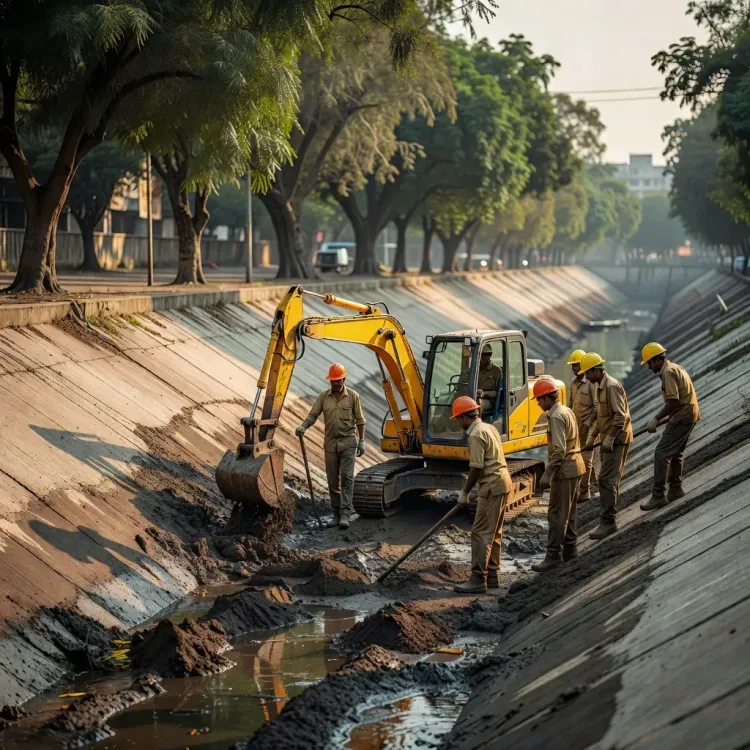
The programme covers three core activities: drainage infrastructure construction, desiltation of existing channels, and rejuvenation of natural water bodies.
The scheme targets chronic urban waterlogging driven by rapid urbanisation, encroachment on water bodies, and ageing drainage systems.
It builds on Odisha's earlier participation in the AMRUT scheme (2015) , which included storm water drainage components in cities like Bhubaneswar and Cuttack .
Budget allocation, city-wise project lists and implementation timelines are yet to be publicly detailed.
Every monsoon, Odisha's cities drown — not from the sky alone, but from decades of crumbling drains, silted-up water bodies, and concrete swallowing land that once absorbed rain. The Odisha State Cabinet has moved to break that cycle, approving the 'Urban Storm Water Drainage Management and Improvement Programme' on Thursday, 15 October 2026, targeting waterlogging with a three-pronged push: new drainage infrastructure, desiltation, and the rejuvenation of natural water bodies.
The Chief Minister's Office of Odisha announced the Cabinet nod on X, posting in both Odia and English. The Odia text confirmed that the programme would take up drainage nirmana, panka uddhara tatha prakritika jalasayagudeeka punaruddhara — drainage construction, silt removal, and restoration of natural water reservoirs — as its core activities. The English portion framed the scheme around 'infrastructure development, desiltation, and rejuvenation of natural water bodies.'
The waterlogging problem Odisha is trying to solve
Urban flooding in Odisha is not a freak-weather story — it is a structural one. Cities like Bhubaneswar and Cuttack have expanded rapidly over the past two decades, with construction encroaching on natural drainage corridors and ponds that once buffered monsoon surges. The result is predictable: each pre-monsoon season brings fresh footage of streets submerged, traffic paralysed, and homes inundated within hours of heavy rain.
The problem is compounded by ageing drainage networks that were engineered for far smaller urban footprints. Silt accumulation reduces carrying capacity year after year, and without systematic desiltation the infrastructure that exists cannot do its job. State and municipal bodies have repeatedly patched individual drains, but a comprehensive, programme-level response has been missing.
What the approved programme proposes to do
The approved scheme blends hard infrastructure with ecological restoration — a combination that urban planners increasingly argue is more resilient than concrete-only solutions. New drainage networks will be constructed to plug coverage gaps, while desiltation will restore the carrying capacity of existing channels. Critically, the programme also commits to reviving natural water bodies — ponds, nalas, and low-lying water-retention zones — that function as the city's original flood buffers.
This integrated approach mirrors the direction Odisha took under the Atal Mission for Rejuvenation and Urban Transformation (AMRUT), the Government of India's flagship urban development scheme launched in 2015, which included storm water drainage components across Odisha's larger cities. The new state programme appears to build on that foundation with a dedicated, state-owned framework rather than relying solely on centrally sponsored funding.
Budget, cities, and the race against the next monsoon
The Cabinet approval sets the policy architecture in place. What comes next — the total financial outlay, city-by-city project lists, and implementation timelines — will determine whether the programme delivers before the 2027 monsoon season tests it. Municipal bodies across Odisha's urban centres will be the primary execution partners, and their administrative capacity will be as decisive as the funding envelope.
The stakes are clear: for millions of urban Odisha residents, another waterlogged monsoon is not an abstraction. It is a flooded ground floor, a child missing school, a small business shuttered for days. A programme that actually drains faster than it promises would be the real headline.
Point of View
Odisha is asserting greater control over urban infrastructure timelines. The integration of natural water body rejuvenation alongside hard infrastructure reflects a broader national trend toward hybrid, nature-based urban drainage solutions. The real test will be execution velocity: programme approvals that miss pre-monsoon construction windows have historically produced headlines without relief.
NationPress
15 Oct 2026
Frequently Asked Questions
What is the Odisha Urban Storm Water Drainage Management and Improvement Programme?
It is a state scheme approved by the Odisha Cabinet on 15 October 2026 to address urban waterlogging by building new drainage infrastructure, desilting existing drains, and rejuvenating natural water bodies in Odisha's urban areas.
Which cities in Odisha will benefit from the new drainage programme?
The Cabinet announcement does not specify individual cities, but urban centres including Bhubaneswar and Cuttack — which have historically faced severe waterlogging — are expected to be among the primary beneficiaries. City-wise project lists are awaited.
How is this programme different from AMRUT's drainage work in Odisha?
AMRUT, launched by the Government of India in 2015, included storm water drainage components in select Odisha cities through centrally sponsored funding. The new programme is a dedicated state-government initiative, giving Odisha greater flexibility over scope, timelines and resource allocation.
What does desiltation mean in the context of urban drainage?
Desiltation refers to the removal of accumulated silt, sediment and debris from drainage channels and water bodies. It restores the carrying capacity of drains so that they can effectively manage heavy rainfall without overflowing into streets and homes.
When will the Odisha urban drainage programme be implemented?
The Cabinet has given policy approval; specific implementation timelines, budget figures and city-wise project details have not yet been announced and are expected to be released in the coming weeks.