Odisha CM Majhi inaugurates State Pavilion at BRE Summit 2026
Synopsis
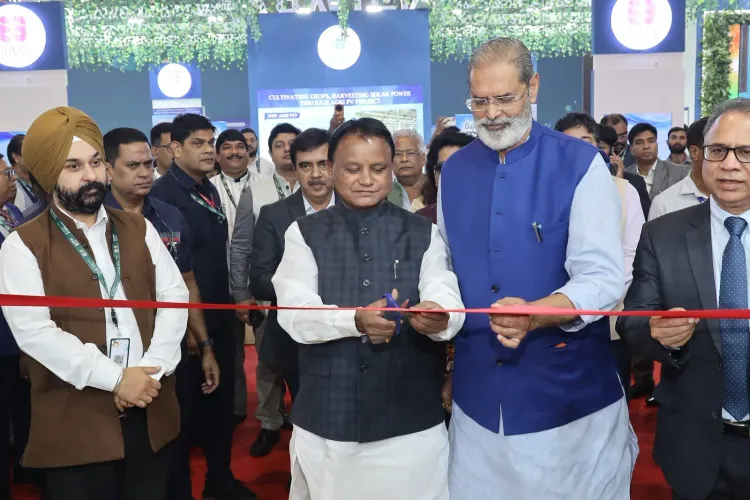
Chief Minister Mohan Charan Majhi and Deputy CM Kanak Vardhan Singh Deo inaugurated the Odisha and Netherlands Pavilions at the Bharat Renewable Energy Summit 2026 in New Delhi, showcasing the state's solar, wind and green hydrogen potential to national and global investors.
Key Takeaways
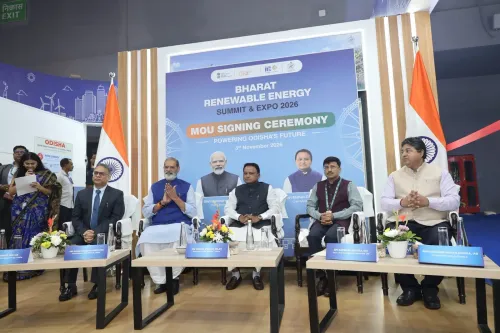
CM Mohan Charan Majhi and Deputy CM Kanak Vardhan Singh Deo inaugurated both the Odisha and Netherlands Pavilions at the Bharat Renewable Energy Summit & Expo 2026 in New Delhi on 3 November 2026 .
The Odisha Pavilion highlights the state's renewable energy potential, strategic advantages and investment opportunities across clean-energy sectors.
The co-inauguration of a Netherlands Pavilion signals a potential technology-transfer partnership, leveraging Dutch offshore wind and coastal-engineering expertise.
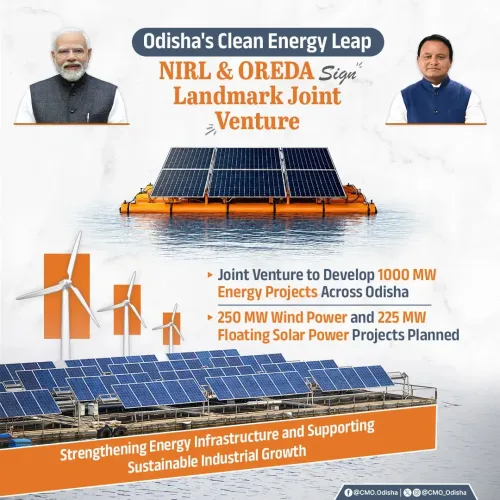
Odisha's pitch spans solar, wind, green hydrogen and port-based export logistics, differentiating it from landlocked competitor states.
India's Panchamrit commitment targets 500 GW of non-fossil fuel capacity by 2030 , driving intense inter-state competition for renewable investment.
Odisha is pitching its clean-energy ambitions on a national stage — and bringing a European partner along. Chief Minister Mohan Charan Majhi and Deputy Chief Minister Kanak Vardhan Singh Deo jointly inaugurated the Odisha Pavilion and the Netherlands Pavilion at the Bharat Renewable Energy Summit & Expo 2026 in New Delhi on Tuesday, 3 November 2026, signalling the state's intent to attract global investment in solar, wind and green hydrogen.
What the Odisha Pavilion is selling to investors
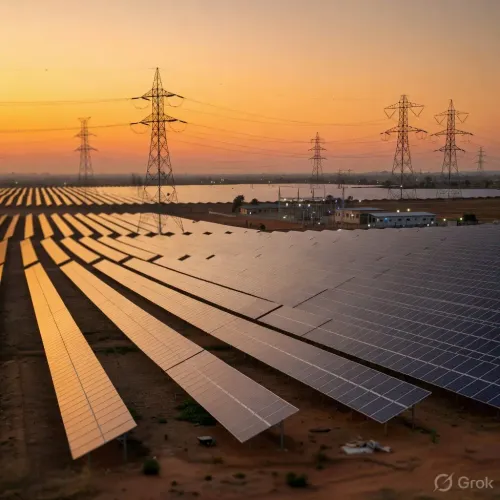
The pavilion is designed as a one-stop showcase of the state's renewable energy potential — its coastline for offshore wind, its land bank for utility-scale solar, and its port infrastructure that can anchor green hydrogen export corridors. The Chief Minister's Office described it as reflecting the state's 'commitment to building a sustainable energy ecosystem and advancing India's clean-energy transition.' For developers scouting sites, the subtext is clear: Odisha is open, grid-connected, and industrially ready.
Kanak Vardhan Singh Deo, who holds the energy portfolio in the Majhi cabinet, has been a visible face of Odisha's pitch to power-sector investors since 2024. His presence at the inauguration underlines that clean energy sits at the cabinet table, not just in departmental files.
Why the Netherlands pavilion matters here
The co-inauguration of a Netherlands Pavilion at the same event is the sharper diplomatic signal. The Netherlands brings world-class expertise in offshore wind — the North Sea is one of the world's most mature offshore wind markets — as well as water management and sustainable infrastructure. For a state like Odisha, which has a long Bay of Bengal coastline and a vulnerability to cyclones, Dutch offshore-wind and coastal-engineering know-how carries practical weight beyond ceremonial partnership.
International pavilions at domestic energy summits have become a standard mechanism for states and foreign governments to test the chemistry of technology transfer and FDI before formal agreements are signed. The Netherlands joining Odisha on the same stage is the first step in that pipeline.
Odisha's place in India's 500 GW race
India's Panchamrit pledge — announced at COP26 in 2021 — commits the country to 500 GW of non-fossil fuel capacity by 2030. That target has turned every Indian state into a competing venue for renewable investment. Odisha entered the race formally with its own Renewable Energy Policy framework around 2022–23, and the Majhi government, elected in June 2024, has framed industrialisation and clean energy as twin pillars of its economic agenda.
Crucially, Odisha's pitch is differentiated: unlike landlocked states chasing only solar, it can credibly offer wind, solar, green hydrogen, and port-based export logistics in a single investment proposition. The Bharat Renewable Energy Summit is the forum where that proposition gets stress-tested in front of the people who write the cheques.
The MoUs signed — and the investment commitments that follow — will tell the real story of whether Odisha's pavilion presence translates into turbines in the ground.
Point of View
Which came to power in mid-2024 riding an industrialisation mandate, clean energy is a vehicle for both FDI attraction and federal credibility: the more Odisha aligns with India's 500 GW target, the stronger its claim on central government incentives and transmission infrastructure priority. The Netherlands partnership specifically targets offshore wind — a sector where India has barely scratched the surface — giving Odisha a potential first-mover advantage on the eastern coast. Whether this summit appearance converts into bankable project pipelines will depend on what follows in state budget allocations and regulatory clearances.
NationPress
3 Nov 2026
Frequently Asked Questions
What is the Bharat Renewable Energy Summit 2026?
The Bharat Renewable Energy Summit & Expo 2026 is a national conference held in New Delhi to showcase renewable energy technologies, state-level investment opportunities and international partnerships in India's clean-energy sector.
Why did Odisha inaugurate a Netherlands Pavilion at an Indian energy summit?
The Netherlands Pavilion was co-inaugurated to signal a potential technology-transfer partnership, drawing on Dutch expertise in offshore wind and coastal energy infrastructure that is directly relevant to Odisha's Bay of Bengal coastline.
What renewable energy sectors is Odisha promoting?
Odisha is promoting solar, wind, green hydrogen and port-based export logistics as part of an integrated clean-energy investment proposition backed by its Renewable Energy Policy framework introduced around 2022-23.
Who is Kanak Vardhan Singh Deo and what is his role in Odisha's energy agenda?
Kanak Vardhan Singh Deo is the Deputy Chief Minister of Odisha and holds the energy portfolio in the Majhi cabinet, making him the key political driver of the state's clean-energy investment outreach.
How does Odisha fit into India's 500 GW renewable energy target?
India's Panchamrit commitment at COP26 in 2021 set a 500 GW non-fossil fuel target by 2030, and Odisha is competing with other states to capture a share of that investment through its coastline, land bank and port infrastructure advantages.