Odisha signs 18 MoUs worth ₹1.17 lakh crore at Bharat RE Summit 2026
Synopsis
At the Bharat Renewable Energy Summit 2026 in New Delhi, Odisha signed 18 MoUs representing approximately ₹1.17 lakh crore in prospective investments and a tentative 11,742 MW capacity addition, spanning solar, wind, green hydrogen, pumped storage, and green data centres under CM Mohan Majhi's leadership.
Key Takeaways
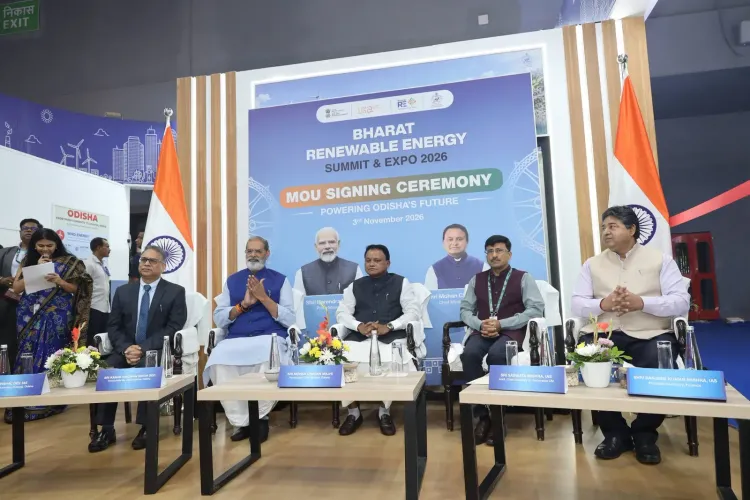
18 MoUs were exchanged at the Bharat Renewable Energy Summit & Expo 2026 in New Delhi on 3 November 2026 .
Prospective investment proposals are worth approximately ₹1.17 lakh crore , with a tentative capacity addition of around 11,742 MW .
The investment mix covers pumped storage, solar, wind, hybrid renewable energy, battery storage, green hydrogen , and green data centres .
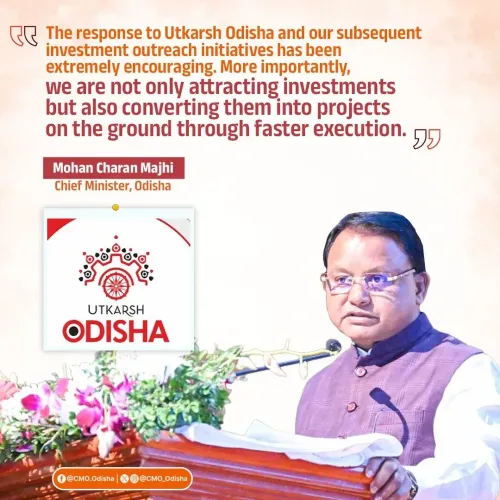
Odisha CM Mohan Charan Majhi , who took office in June 2024 , has made industrial and clean-energy investment attraction a central priority of his administration.
India's COP26 Panchamrit pledge targets 500 GW of non-fossil fuel capacity by 2030 , driving intense inter-state competition for green investment.
The MoUs represent intent; conversion to commissioned projects will depend on land allocation, grid connectivity, and regulatory follow-through.
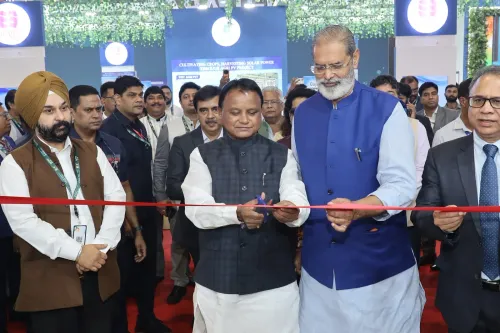
Eleven thousand seven hundred and forty-two megawatts of clean power. That is the tentative capacity Odisha is chasing after its biggest renewable energy push yet — 18 Memoranda of Understanding signed at the Bharat Renewable Energy Summit & Expo 2026 in New Delhi on Tuesday, 3 November 2026, representing prospective investment proposals worth approximately ₹1.17 lakh crore. The Chief Minister's Office of Odisha announced the milestone under the leadership of Chief Minister Mohan Charan Majhi.
What the 18 MoUs actually cover
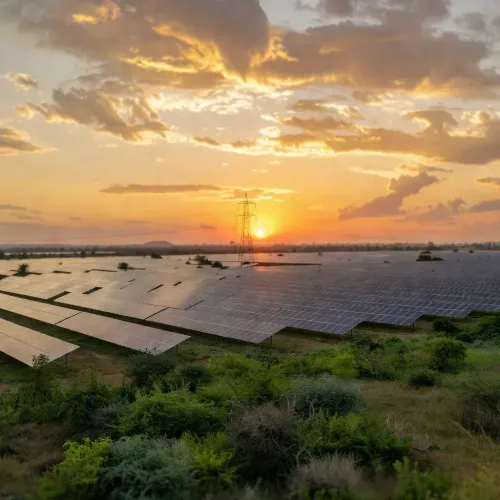
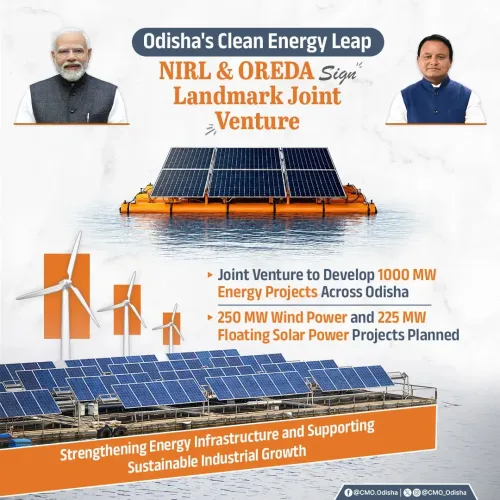
The proposed investment basket is deliberately wide. It spans pumped storage, solar, wind, hybrid renewable energy, battery storage, green hydrogen, green data centres, and other emerging clean-energy technologies — a deliberate hedge across the full spectrum of the energy transition rather than a single-sector bet. Pumped storage and battery systems, in particular, are in acute national demand as India tries to firm up its increasingly intermittent renewable grid. Green data centres — power-hungry, climate-conscious, and booming — represent a newer addition to the mix, signalling that Odisha is pitching itself as digital infrastructure territory, not just a generation hub.
Why Odisha is becoming a renewable magnet
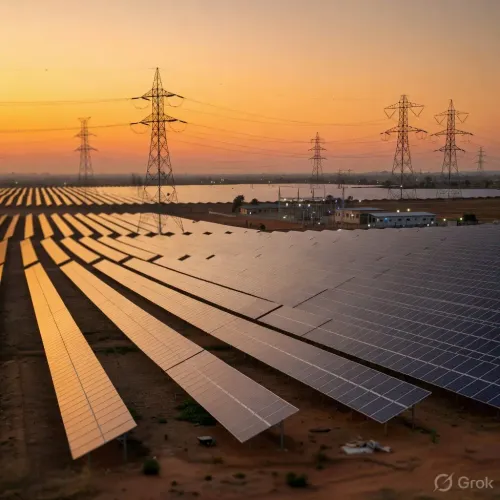
Odisha has traditionally anchored its industrial identity in minerals, metals, and steel. The push into renewables marks a deliberate diversification. The state's eastern coastline offers viable wind corridors; its hinterland has solar irradiance; and its geography makes it a credible site for pumped-storage hydro — a technology India urgently needs to balance solar-heavy grids. Chief Minister Majhi, who took charge in June 2024 as the state's first BJP chief minister, has made industrial investment attraction a signature of his tenure, and today's haul at the summit adds renewable energy to a portfolio previously dominated by conventional industry.
India's 500 GW race and where Odisha fits
The backdrop is unmistakable. India committed at COP26 in 2021 to reach 500 GW of non-fossil fuel capacity by 2030 — its so-called Panchamrit pledge — and every major state is now competing for a slice of the investment flow that target unleashes. The 11,742 MW of tentative capacity attached to today's MoUs would, if fully realised, represent a meaningful contribution to that national grid. Across India, states have been announcing similar MoU-heavy investment summits since 2022, and the conversion rate from intent to commissioned project remains the sector's central stress test.
MoUs to megawatts: the hard part begins
The CMO's statement is careful with its language — 'prospective investment proposals', 'tentative capacity addition', 'growing industry interest.' That hedging is honest: MoUs are expressions of intent, not construction contracts. The real watch point is whether Odisha follows these signings with land allocation, grid connectivity agreements, competitive bidding rounds, and the regulatory speed that investors actually weigh before committing capital. The summit opens the ledger. Closing it demands execution.
Odisha has written a big number on the whiteboard. Now it has to build it.
Point of View
The ₹1.17 lakh crore figure serves a dual purpose: it anchors Odisha's identity shift away from extractive industry toward clean tech, and it provides a measurable headline ahead of state budget and assembly cycles. The inclusion of green data centres alongside conventional renewables is the more consequential signal — it suggests Odisha is positioning for the AI-driven power-demand surge that is reshaping energy planning globally. The real test, as with every MoU-heavy summit from any Indian state, is the pipeline from signed parchment to energised grid.
NationPress
3 Nov 2026
Frequently Asked Questions
How many MoUs did Odisha sign at the Bharat Renewable Energy Summit 2026?
Odisha signed 18 MoUs at the Bharat Renewable Energy Summit & Expo 2026, representing prospective investments of approximately ₹1.17 lakh crore and a tentative capacity of around 11,742 MW .
What types of clean energy are covered in Odisha's renewable energy MoUs?
The MoUs span pumped storage, solar, wind, hybrid renewable energy, battery storage, green hydrogen, green data centres , and other emerging clean-energy technologies.
Who is the Chief Minister of Odisha overseeing these renewable energy investments?
Mohan Charan Majhi is the Chief Minister of Odisha. He assumed office in June 2024 as the state's first BJP chief minister and has made industrial and clean-energy investment a signature of his administration.
What is India's national renewable energy target and how do Odisha's MoUs fit in?
India pledged at COP26 in 2021 to achieve 500 GW of non-fossil fuel capacity by 2030 . Odisha's tentative 11,742 MW from these MoUs, if fully realised, would contribute a meaningful share toward that national goal.
Do MoUs guarantee actual project construction in India's renewable energy sector?
No. MoUs are expressions of intent and not binding construction contracts . Conversion to commissioned projects depends on follow-through steps such as land acquisition, grid connectivity, competitive bidding, and regulatory approvals.