Odisha CM Majhi Reviews Finance Dept, Pushes Capital Spend
Synopsis
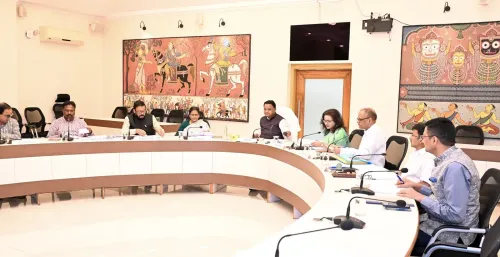
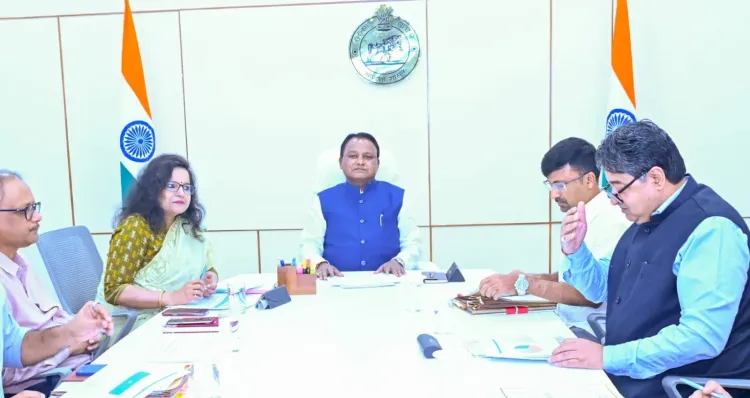
Chief Minister Mohan Charan Majhi chaired a Finance Department review at Lokaseva Bhavan on 11 August 2026, directing officials to make revenue collection more efficient and accelerate capital and programme expenditure — two central pillars of Odisha's post-2024 fiscal agenda.
Key Takeaways
CM Mohan Charan Majhi held a Finance Department review at Lokaseva Bhavan, Bhubaneswar on 11 August 2026 .
He directed officials to make the revenue collection system more efficient .
He also called for a higher rate of capital and programme expenditure .
Majhi is Odisha's first BJP Chief Minister , in office since June 2024 .
Odisha state budgets since 2024 have consistently prioritised own-tax revenue buoyancy and capital spending .
Follow-up actions may include revised revenue targets or supplementary budget proposals in the winter assembly session.
A state's fiscal health is only as strong as the discipline behind its numbers. On Tuesday, 11 August 2026, Chief Minister Mohan Charan Majhi chaired a review of the Finance Department at Lokaseva Bhavan in Bhubaneswar, directing officials to sharpen revenue collection and push capital and programme expenditure higher.
The Chief Minister's Office posted in Odia that Majhi 'ରାଜସ୍ୱ ଆଦାୟ ବ୍ୟବସ୍ଥାକୁ ଆହୁରି ଦକ୍ଷ କରିବା' — 'make the revenue collection system even more efficient' — while simultaneously scaling up capital and programme spending. The twin directive captures a classic fiscal tightrope: collect more without choking growth, and spend faster without losing quality.
Why This Review Matters for Odisha's Budget Priorities
Majhi became Odisha's first BJP Chief Minister after the party's landmark victory in the June 2024 assembly elections, inheriting a state apparatus that had been shaped by over two decades of Biju Janata Dal governance. Since taking office, successive state budgets have flagged two persistent pressure points: own-tax revenue buoyancy and the pace of capital expenditure — the same two levers Majhi pulled in Tuesday's review. Capital expenditure — spending on roads, irrigation, hospitals, and other durable assets — is widely regarded as the higher-quality form of public spending because it creates lasting productive capacity. States that let capital budgets languish while current expenditure balloons tend to accumulate infrastructure deficits that take years to reverse. The directive to accelerate it signals the administration's intent to move beyond planning and into execution.Mid-Year Reviews and the Financial Calendar
Finance-department reviews of this kind are a standard feature of the Indian state governance calendar. Held typically in the first half of the financial year, they allow a Chief Minister to assess whether revenue projections are on track and whether spending ministries are drawing down their allocations at the intended pace. Departments that fall behind on both counts risk losing budgetary credibility ahead of the winter assembly session, where supplementary demands for grants are tabled. For Odisha, the winter session is the natural checkpoint. If Tuesday's review surfaces specific shortfalls, revised revenue targets or new collection drives could follow. Watch for any supplementary budget proposals that emerge from the Odisha Legislative Assembly in the coming months. A Chief Minister who walks into a finance review and walks out with concrete directives is doing exactly what the job demands. Whether those directives translate into measurable movement on the state's fiscal dashboard is the story that will unfold next.Point of View
Moving from policy articulation to execution pressure on bureaucrats. Directing simultaneous improvements in revenue collection and capital expenditure is textbook counter-cyclical governance — but doing both at once is administratively demanding. The real test will come at the winter session, where supplementary budget numbers will reveal whether Tuesday's directives produced measurable movement. For a first-term BJP government still establishing its governance signature in a state it has never ruled before, fiscal discipline is also political credibility.
NationPress
26 Sept 2026
Frequently Asked Questions
What did Odisha CM Mohan Charan Majhi direct at the Finance Department review?
CM Majhi directed Finance Department officials to make the revenue collection system more efficient and to increase capital and programme expenditure, at a review held at Lokaseva Bhavan in Bhubaneswar on 11 August 2026.
What is Lokaseva Bhavan in Bhubaneswar?
Lokaseva Bhavan is the secretariat complex in Bhubaneswar that houses key Odisha government departments, including the Finance Department.
Who is Mohan Charan Majhi?
Mohan Charan Majhi is the Chief Minister of Odisha, in office since June 2024. He is the state's first BJP Chief Minister, following the party's victory in the 2024 Odisha assembly elections.
Why do state governments hold Finance Department reviews?
Finance Department reviews allow a Chief Minister to assess mid-year revenue performance and spending pace, identify shortfalls, and issue corrective directives before supplementary budget proposals are tabled in the assembly.
What could follow Odisha's Finance Department review in August 2026?
Possible follow-up actions include revised revenue targets, new tax-collection drives, or supplementary budget proposals in the Odisha Legislative Assembly's upcoming winter session.