Odisha CMO Announces Full Security Plan for Rath Yatra 2026
Synopsis
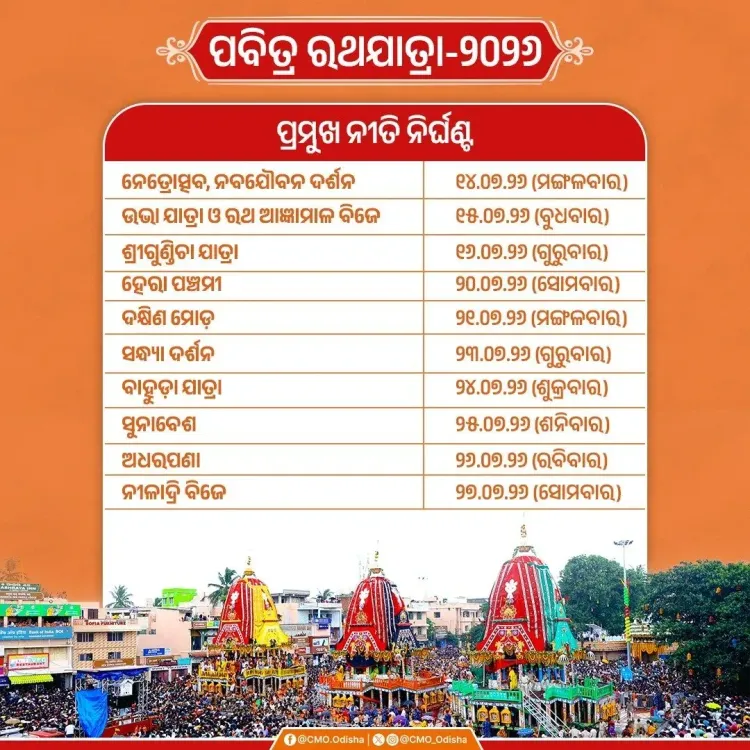
The Chief Minister's Office of Odisha announced on 13 July 2026 that the state government has put in place full security, healthcare and crowd-management arrangements for the Puri Rath Yatra, covering all rituals from the chariot procession through to Niladri Bije, with devotee safety as the top priority.
Key Takeaways
The Chief Minister's Office of Odisha announced on 13 July 2026 that the state government is making all arrangements for a safe and orderly Rath Yatra in Puri .
Devotee convenience, healthcare , and security have been declared the highest priority across the entire festival period.
Arrangements cover every ritual from Rath Yatra (chariot procession) to Niladri Bije (the deities' return to the temple sanctum).
The CMO publicly appealed to citizens to participate in a peaceful, disciplined and spiritual manner.
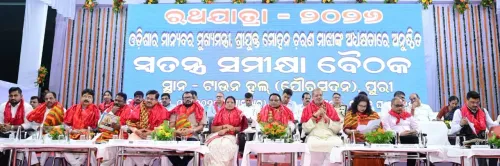
The Odisha state government coordinates with the Shri Jagannath Temple Administration , police, health departments and district authorities for the annual festival.
The announcement sets a public accountability benchmark against which the administration's performance during the 2026 festival will be assessed.
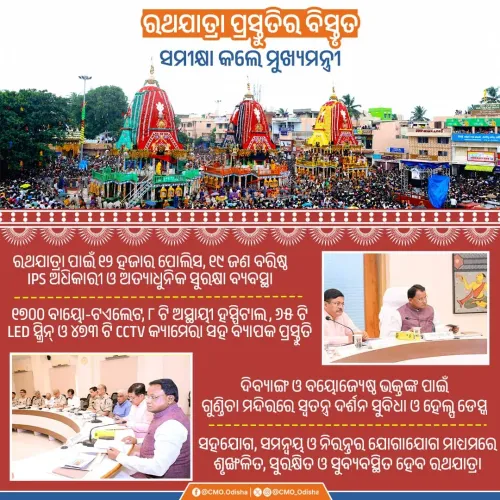
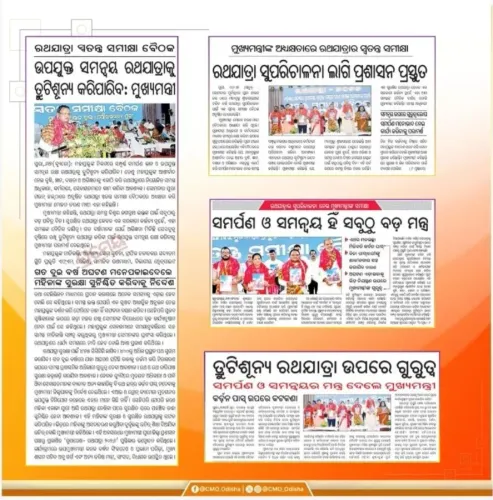
The Chief Minister's Office of Odisha announced on Monday, 13 July 2026 that the state government is putting in place comprehensive arrangements to ensure the world-famous Rath Yatra in Puri is conducted safely, orderly, and in a well-organised manner. The announcement, made via the official CMO account on X, affirms that devotee convenience, healthcare, and security have been accorded the highest priority across all rituals from Rath Yatra to Niladri Bije.
Posting in Odia, the CMO stated: 'ବିଶ୍ୱପ୍ରସିଦ୍ଧ ରଥଯାତ୍ରାକୁ ଅଧିକ ସୁରକ୍ଷିତ, ସୁଶୃଙ୍ଖଳ ଓ ସୁବ୍ୟବସ୍ଥିତ ଭାବେ ସମ୍ପନ୍ନ କରିବା ପାଇଁ ରାଜ୍ୟ ସରକାର ସମସ୍ତ ବ୍ୟବସ୍ଥା ଗ୍ରହଣ କରୁଛନ୍ତି।' ('The state government is making all arrangements to conduct the world-famous Rath Yatra in a safer, more disciplined and better-organised manner.')
Context
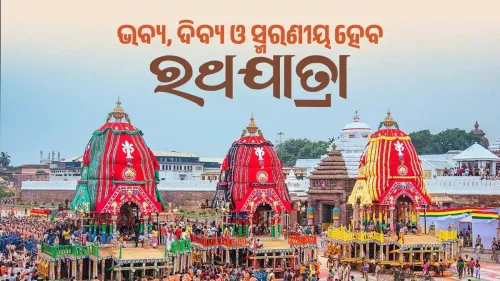
The Rath Yatra of Puri is one of the largest religious gatherings in the world, drawing millions of pilgrims each year to witness the chariot procession of Lord Jagannath, his brother Lord Balabhadra, and sister Devi Subhadra. The festival concludes with the Niladri Bije ritual, which marks the deities' return to the sanctum of the Jagannath Temple. The span of rituals between these two events places sustained administrative and logistical demands on the state.
The CMO's post specifically calls on citizens to join in completing 'this sacred chariot journey of Mahaprabhu in a peaceful and spiritual atmosphere with devotion and discipline' — a public appeal that doubles as a crowd-management advisory.
Policy Backdrop
Managing the Rath Yatra is a long-standing annual exercise for the Odisha state government, which coordinates with the Shri Jagannath Temple Administration, district authorities, police, and health departments. Security deployment, medical camps, sanitation drives, and traffic restrictions are standard features of this coordination framework, refined over decades.
The model mirrors arrangements seen at other large-scale Indian religious events such as the Kumbh Mela and the Sabarimala pilgrimage, where civil administration and temple oversight work in tandem to manage crowd safety. The CMO's statement signals that this year's edition will continue that tradition, with the government treating devotee welfare as a non-negotiable priority across every ritual sequence.
Stakeholders and Impact
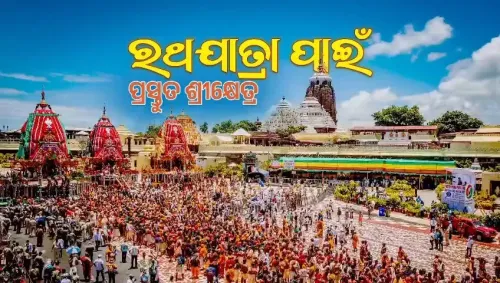
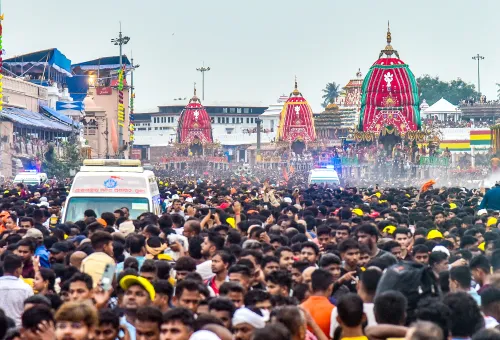
The primary beneficiaries of these arrangements are the lakhs of pilgrims and devotees who travel to Puri from across India and abroad. The emphasis on healthcare and security is particularly significant given the density of crowds that typically converge on Grand Road (Bada Danda) during the chariot pull.
Local residents of Puri and surrounding districts also stand to benefit from improved traffic management and public-health measures. Vendors, hospitality businesses, and transport operators in the region see the Rath Yatra period as economically critical, making smooth administration essential for livelihoods as well as worship.
What's Next
District administration is expected to issue daily updates on crowd estimates, medical camp deployments, and traffic diversions as the festival progresses through its ritual calendar. The government's stated commitment to covering all niti-kanti (ritual protocols) from Rath Yatra through to Niladri Bije suggests that security and service arrangements will remain active for the full duration of the festival cycle.
With the CMO's office placing this announcement in the public domain, the administration has effectively set a benchmark of accountability — any lapses in crowd management or health services during the 2026 edition will be measured against these stated commitments.
Point of View
The administration invites public scrutiny of its own delivery. This fits a broader pattern in Indian state politics where ruling dispensations use major religious festivals to demonstrate administrative competence to a large, attentive electorate. The explicit mention of the full ritual arc from Rath Yatra to Niladri Bije suggests the government is keen to avoid any mid-festival criticism of lapses. For the ruling BJP government in Odisha, smooth management of the Jagannath festival carries deep cultural and political resonance in the state.
NationPress
13 Jul 2026
Frequently Asked Questions
When is Rath Yatra 2026 in Puri?
The exact dates of the 2026 Puri Rath Yatra have not been specified in the official announcement, but the Chief Minister's Office of Odisha confirmed on 13 July 2026 that all arrangements are in place, indicating the festival period is underway or imminent.
What arrangements has the Odisha government made for Rath Yatra 2026?
The Odisha state government has announced comprehensive security, healthcare and crowd-management arrangements covering all rituals from the Rath Yatra chariot procession through to the Niladri Bije, with devotee convenience and safety as the top priority.
What is Niladri Bije in the Rath Yatra festival?
Niladri Bije is the concluding ritual of the Puri Rath Yatra festival, marking the return of the deities — Lord Jagannath, Lord Balabhadra and Devi Subhadra — to the sanctum of the Jagannath Temple after the chariot procession.
Who manages security and crowd control at Puri Rath Yatra?
The Odisha state government, working through district administration, police, health departments and the Shri Jagannath Temple Administration, manages security, sanitation, medical services and crowd control during the Puri Rath Yatra each year.
How many people attend the Puri Rath Yatra?
The Puri Rath Yatra is one of the largest religious gatherings in the world, drawing millions of pilgrims from across India and abroad each year, though specific crowd figures for the 2026 edition have not yet been officially released.