Why is Congress Protesting Against Additional Security Deposits and Demanding Free Power for Farmers in Odisha?
Synopsis
The Odisha Congress is taking a stand against the Additional Security Deposit and is calling for free electricity for farmers and households. With mounting pressure on the government, protests could escalate if demands are not met. Will this lead to significant policy changes?
Key Takeaways
Protests against the Additional Security Deposit (ASD) by Odisha Congress.
Demand for free electricity for farmers and households.
Concerns over new electricity meters and potential tariff hikes.
Warning of escalated protests if demands are unmet.
Call for public participation across rural and urban areas.
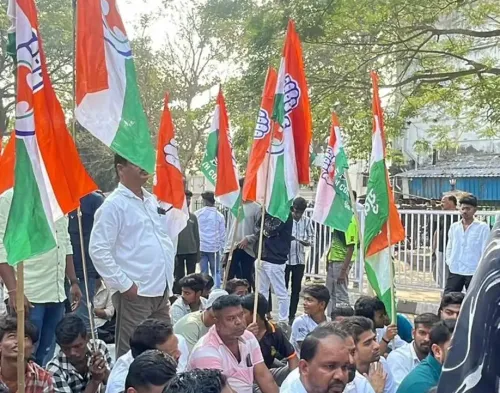
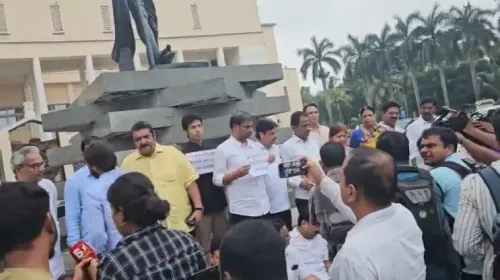
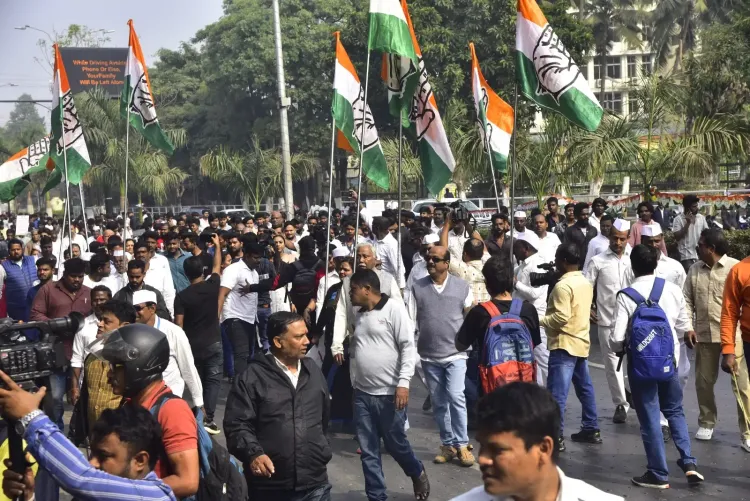
Bhubaneswar, Dec 29 (NationPress) The Odisha Congress held a demonstration on Monday against the unlawful collection of the Additional Security Deposit (ASD), advocating for complimentary electricity for farmers and households.
The protest was led by Bhakta Charan Das, President of the Odisha Pradesh Congress Committee (OPCC), outside the Bhubaneswar office of TP Central Odisha Distribution Limited (TPCODL).
Protesters voiced their concerns regarding the implementation of new electricity meters, claiming it is part of a broader agenda to impose inflated power tariffs on consumers.
Das accused the state government of “harassing consumers” and challenged the BJP's promise of providing 300 units of free electricity. The Congress demanded an end to the additional security deposit, free power for farmers, 300 units of free electricity for households, and the withdrawal of smart meters.
Das warned that if their demands are not met, they will escalate their protests, including effigy burning on December 31 and a gherao of the Chief Minister’s residence and offices.
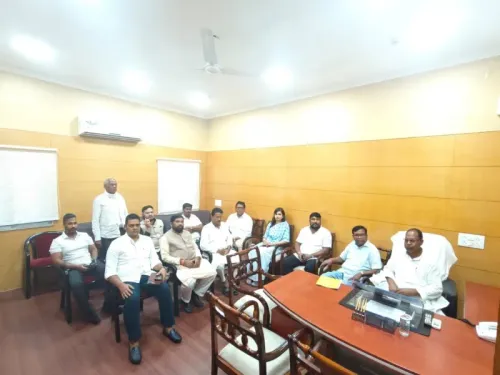
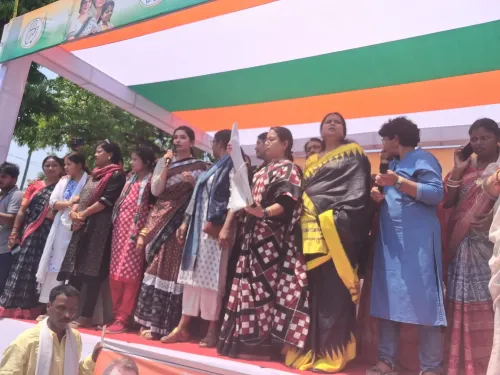
Senior Congress figures such as Srikant Jena, Suresh Routray, Ananta Sethi, MLA Pabitrananda Sahu, and Minakshi Bahinipati participated in the demonstration.
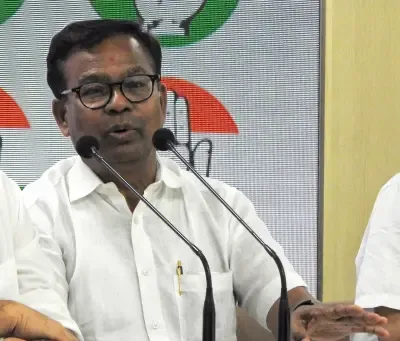
In a strong statement, Jena criticized the state government, arguing that ordinary households, small businesses, and farmers will be disproportionately affected by the new meter system and revised billing structures.
Speaking to the crowd, Jena warned that the new meter and tariff policies would significantly raise electricity costs for both domestic and commercial users.
“Consumers will face increased charges. Domestic users, shopkeepers, and small enterprises will endure severe financial strain. The government is prioritizing large industrial corporations, while ordinary citizens face growing hardships,” he asserted.
He further expressed concerns over the transparency of the new system, asserting that revised consumption slabs are designed to result in higher bills, even for moderate usage.
“You currently pay Rs 2, but soon it could rise to Rs 4.50 or more. What will that mean for families and small traders? How will they manage? This policy is detrimental to the populace,” Jena cautioned.
Asserting that the Congress will amplify its efforts, Jena called upon individuals in both rural and urban regions to join the movement.
“This is a critical issue. If this continues, electricity will become unaffordable for many households. We will extend this protest to every district and village. The government must retract the new meter system and tariff policy,” he concluded.
Point of View
I believe the ongoing protests by the Odisha Congress highlight significant concerns regarding the impact of new electricity policies on ordinary citizens. The demands for free power for farmers and households resonate amidst growing financial pressures on the public. It is crucial for policymakers to engage with constituents and address their grievances proactively.
NationPress
3 Oct 2026
Frequently Asked Questions
What is the Additional Security Deposit (ASD)?
The Additional Security Deposit (ASD) is a fee charged by electricity distribution companies that consumers must pay to ensure service reliability.
Why is the Congress demanding free electricity?
The Congress argues that free electricity is essential to alleviate the financial burden on farmers and low-income households, especially in light of rising electricity tariffs.
What actions are planned by the Congress if their demands are not met?
The Congress has threatened to escalate their protests, including effigy burning and gherao of the Chief Minister’s residence and offices.
Who is leading the protests?
The protests are led by Bhakta Charan Das, the President of the Odisha Pradesh Congress Committee (OPCC), along with several senior party leaders.
What are the concerns regarding the new electricity meters?
Protesters claim that the installation of new meters is aimed at imposing higher tariffs on consumers, disproportionately affecting ordinary households and small businesses.