Odisha DGP chairs ERPCC meet, urges tech-led inter-state security push
Synopsis
Five eastern state police chiefs convened in Bhubaneswar under Ministry of Home Affairs oversight to confront threats — LWE, cybercrime, narcotics, illegal infiltration — that no single state can tackle alone. The unanimous agreement to institutionalise regular ERPCC meetings signals a structural shift toward collective policing architecture for Eastern India.
Key Takeaways
Odisha DGP Yogesh Bahadur Khurania chaired the ERPCC Meeting–2026 in Bhubaneswar on 21 July 2026 .
DGPs of Bihar , West Bengal , Chhattisgarh , and Jharkhand attended alongside senior CAPF and CPO officers.
The meeting was held under the Ministry of Home Affairs to strengthen inter-state coordination against LWE , organised crime, cybercrime, and narcotics trafficking.
Deliberations covered Zero FIR transfers, railway security, illegal infiltration, and rehabilitation of surrendered Left-Wing Extremists.
Participating states unanimously agreed to institutionalise regular coordination meetings at fixed intervals.
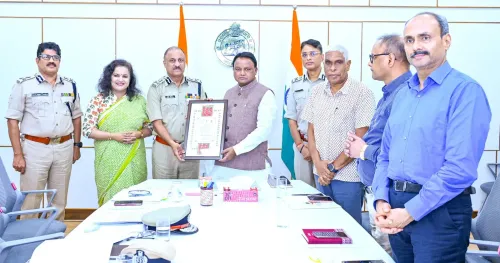
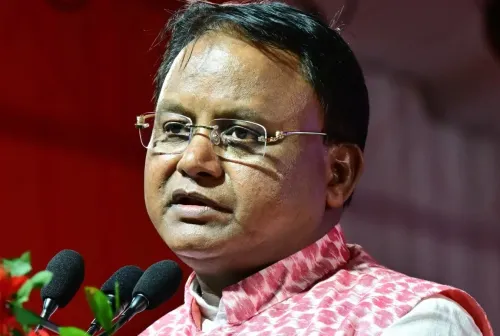
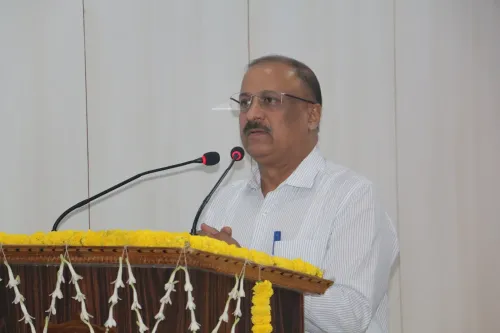
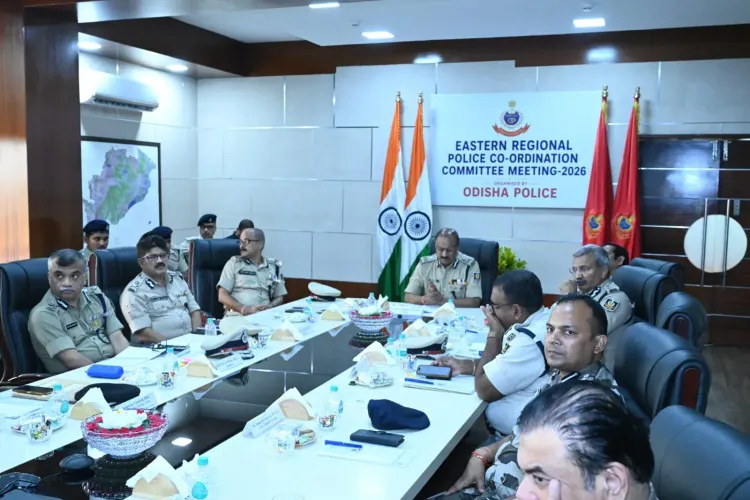
Odisha Director General of Police Yogesh Bahadur Khurania on Tuesday, 21 July 2026 called for a coordinated, technology-driven and intelligence-led approach to combat internal security threats that increasingly cut across state boundaries. Khurania made the remarks while delivering the inaugural address at the Eastern Regional Police Coordination Committee (ERPCC) Meeting–2026 held in Bhubaneswar.
Who Attended and Why It Was Convened
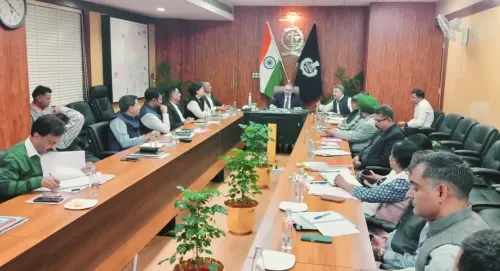
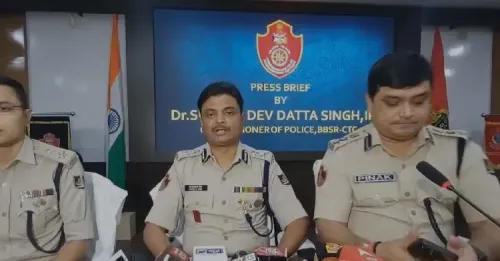
The high-level meeting, chaired by Khurania, brought together the Directors General of Police of Bihar, West Bengal, Chhattisgarh, and Jharkhand, along with senior officers from the Central Armed Police Forces (CAPFs), Central Police Organisations (CPOs), and other participating state officials. The forum was convened under the aegis of the Ministry of Home Affairs with the express objective of deepening inter-state coordination against organised crime, Left-Wing Extremism (LWE), and other evolving security threats.
Key Concerns Raised
'Contemporary security threats such as organised crime, cybercrime, narcotics trafficking, human trafficking and Left-Wing Extremism transcend geographical boundaries and therefore demand a coordinated, technology-driven and intelligence-led response,' Khurania said. He stressed that no single state can tackle these challenges in isolation, underlining the need for continuous intelligence sharing, real-time information exchange, and adoption of advanced technology to counter increasingly sophisticated criminal and extremist networks.
Agenda: From LWE Rehabilitation to Illegal Infiltration
According to an official statement, the day-long deliberations spanned a wide range of strategic issues. These included monitoring and rehabilitation of surrendered Left-Wing Extremists, coordinated strategies to curb inter-state narcotics trafficking, real-time intelligence sharing to combat cybercrime, expediting the transfer and time-bound investigation of Zero FIRs, enhancing railway security, and developing a unified strategy to address illegal infiltration. Delegates also discussed strengthening operations against inter-state criminal networks, improving policing in border areas, and advancing technology-enabled, intelligence-based policing mechanisms.
Outcome: Regular Coordination Meetings Agreed Upon
The participating states unanimously agreed to institutionalise regular coordination meetings at fixed intervals. These sessions will serve as a standing platform to review progress, share best practices, address emerging threats, and strengthen operational ties between state police forces and central agencies. Concluding the meeting, Khurania expressed confidence that the decisions and recommendations from the deliberations would reinforce national security and provide a robust framework for addressing complex security challenges across Eastern India.
The ERPCC forum represents a critical institutional mechanism at a time when cross-border criminal networks — from narcotics to cyber fraud — are outpacing the jurisdictional reach of individual state police forces.
Point of View
But the real test lies in execution: past regional coordination forums have produced resolutions that rarely survive the return journey to state capitals. Whether this iteration produces binding operational protocols — on Zero FIR timelines, joint cybercrime units, or LWE surrender monitoring — will determine if the Bhubaneswar meeting was a milestone or a ritual. The inclusion of illegal infiltration on the agenda also signals that the eastern frontier is being treated as a unified security theatre, not a patchwork of state concerns.
NationPress
22 Jul 2026
Frequently Asked Questions
What is the Eastern Regional Police Coordination Committee (ERPCC)?
The ERPCC is a regional inter-state policing forum convened under the Ministry of Home Affairs to strengthen coordination among eastern Indian states on shared security threats. It brings together the Directors General of Police of Odisha, Bihar, West Bengal, Chhattisgarh, and Jharkhand, along with central police and paramilitary representatives.
What was discussed at the ERPCC Meeting–2026 in Bhubaneswar?
The day-long meeting on 21 July 2026 covered Left-Wing Extremism rehabilitation, inter-state narcotics and cybercrime coordination, Zero FIR transfers, railway security, illegal infiltration, and technology-enabled policing. States agreed to institutionalise regular coordination meetings going forward.
Why did Odisha DGP stress inter-state coordination?
Odisha DGP Yogesh Bahadur Khurania argued that threats like organised crime, cybercrime, narcotics trafficking, human trafficking, and Left-Wing Extremism cross state boundaries and cannot be effectively addressed by any single state acting alone. He called for continuous intelligence sharing and technology-driven responses.
What is a Zero FIR and why was it discussed?
A Zero FIR is a First Information Report filed at any police station regardless of jurisdiction, which must then be transferred to the appropriate station. The ERPCC meeting discussed expediting these transfers and ensuring time-bound investigations to prevent cases from falling through jurisdictional gaps between states.
What outcomes emerged from the ERPCC 2026 meeting?
The participating states unanimously agreed to institutionalise regular ERPCC coordination meetings at fixed intervals to review progress, share best practices, and address emerging threats. Odisha DGP Khurania expressed confidence that the meeting's recommendations would reinforce national security across Eastern India.