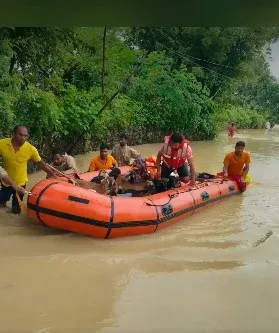
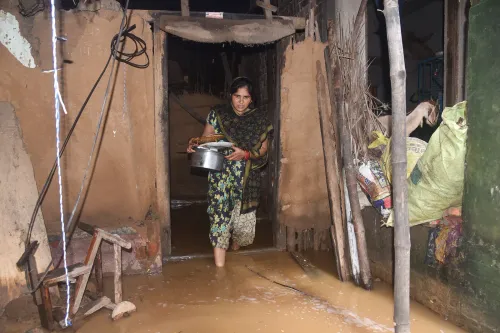
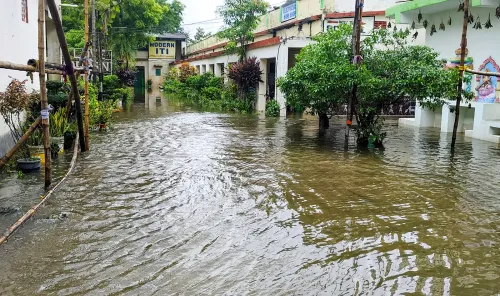
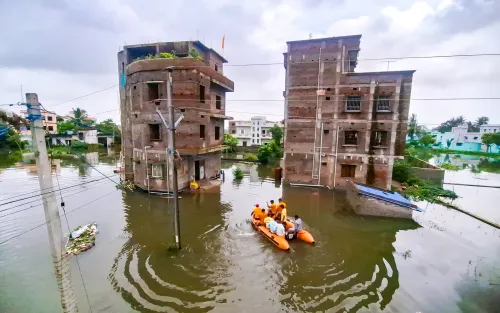
Odisha floods: 7.91 lakh affected, relief centres to stay open till normalcy returns
Synopsis
With nearly 8 lakh people affected and over 2.68 lakh still stranded, Odisha's flood crisis remains far from over — even as rivers begin to recede. The opening of 12 Hirakud Dam gates and a fresh discharge of 1.50 lakh cusecs into an already swollen Mahanadi means the next 40 hours are critical for five districts now on high alert.
Key Takeaways
7,91,846 people across 15 districts have been affected by floods in Odisha as of 31 July .
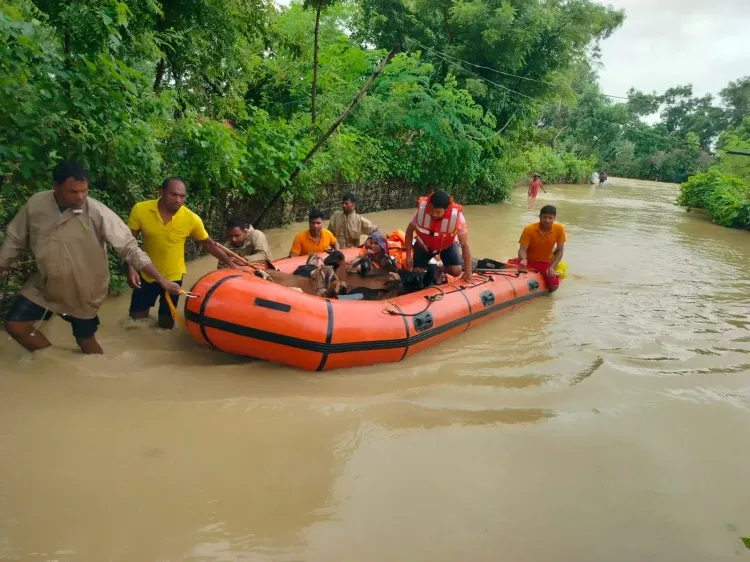
2,68,943 people remain stranded; crops on 21,380 hectares of farmland have been damaged.
The Hirakud Dam now has 12 gates open, releasing an additional 1.50 lakh cusecs of water.
Districts of Kataka, Puri, Kendrapada, Jagatsinghpur , and Khordha placed on high alert.
Damage assessment for crops, livestock, and houses to be completed within 72 hours of waters receding.
Relief centres with cooked food and dry rations will remain open until full normalcy is restored.
Odisha Revenue and Disaster Management Minister Suresh Pujari on Friday, 31 July chaired a high-level review meeting in Bhubaneswar with Collectors of flood-affected districts to assess the ongoing flood crisis gripping the state. According to the latest official data, 7,91,846 people across 15 districts have been affected, with 2,68,943 still stranded in inundated areas.
Scale of the Flood Damage
The floods have impacted 1,362 villages, 446 Gram Panchayats, 57 blocks, and 11 Urban Local Bodies (ULBs) across the state. Crops on 21,380 hectares of farmland have been damaged, compounding the humanitarian toll with an agricultural crisis that will require rapid damage assessment once waters recede.
The review meeting was attended by the Chief Secretary, Special Relief Commissioner (SRC), and senior officials from multiple departments, signalling the seriousness with which the state administration is treating the situation.
River Levels and the Hirakud Dam Factor
Minister Pujari stated that water levels in major rivers — Debi, Kushabhadra, Ib, Brahmani, Baitarani, Budhabalanga, Subarnarekha, Vansadhara, and Jalaka — have begun receding after flowing above the danger mark. However, the Mahanadi remains the sole major river still in spate.
In a significant operational move, the Water Resources Department opened 10 additional gates of the Hirakud Dam on Friday morning, bringing the total number of open gates to 12. An additional 1.50 lakh cusecs of water is being released, which is expected to take approximately 40 hours to reach the Naraj Barrage in Kataka. The Minister expressed confidence that by the time the discharge arrives at Naraj, the water level there — currently above the danger mark — would have sufficiently receded.
High Alert for Five Districts
Despite the gradual improvement, district administrations in Kataka, Puri, Kendrapada, Jagatsinghpur, and Khordha have been placed on high alert as a precautionary measure against any deterioration. Some low-lying areas continue to remain inundated, and the administration is closely monitoring developments. Odisha recorded dry weather over the preceding 24 hours, and little to no rainfall was expected until 1 August, offering a window for conditions to improve.
Relief Operations and Next Steps
Relief centres — stocked with cooked food, dry rations, and essential supplies — will remain operational until affected residents can safely return home after full normalcy is restored, the Minister confirmed. Pujari directed the Drinking Water and Health departments to disinfect all drinking water sources, including wells and tube wells, to prevent the outbreak of water-borne diseases in flood-hit areas.
District administrations have been instructed to complete assessments of crop loss, livestock loss, and house damage within 72 hours of floodwaters receding. The state government has committed to disbursing compensation to all eligible beneficiaries without delay once these reports are submitted. Tributary river levels of the Mahanadi are expected to decline over the next 48 hours, according to the Minister.
Point of View
21,380 hectares of cropland damaged, and a 72-hour damage-assessment clock that starts only after waters recede — by which point the agricultural losses will already be irreversible for many smallholders. The state's response machinery appears functional, but the structural question of flood-proofing Odisha's river basins remains conspicuously absent from the post-crisis conversation.
NationPress
31 Jul 2026
Frequently Asked Questions
How many people have been affected by the Odisha floods?
According to official data released on 31 July, a total of 7,91,846 people across 15 districts have been affected. Of these, 2,68,943 people remain stranded in flood-affected areas, and crops on 21,380 hectares of farmland have been damaged.
Which districts are on high alert due to the Odisha floods?
The district administrations of Kataka, Puri, Kendrapada, Jagatsinghpur, and Khordha have been placed on high alert as floodwaters from the Hirakud Dam discharge are expected to reach the Naraj Barrage in approximately 40 hours.
Why were additional Hirakud Dam gates opened?
The Water Resources Department opened 10 additional gates of the Hirakud Dam on 31 July morning, bringing the total to 12, to manage rising water levels in the Mahanadi — the only major river in Odisha still in spate. An additional 1.50 lakh cusecs of water is being released as a result.
When will flood relief centres in Odisha be closed?
Minister Suresh Pujari confirmed that relief centres — stocked with cooked food and dry rations — will continue to operate until affected people are able to return home after normalcy is fully restored. No specific date has been set.
How will flood-affected farmers and residents receive compensation?
District administrations have been directed to complete assessments of crop loss, livestock loss, and damage to houses within 72 hours of floodwaters receding. The state government has committed to disbursing compensation to all eligible beneficiaries without delay once those reports are submitted.