INDIA bloc protests in Bhubaneswar over Delhi police action, CEC removal demand
Synopsis
The INDIA bloc's Bhubaneswar protest on 11 October widened a rapidly escalating showdown with the Centre — combining allegations of police brutality against women protesters in Delhi, a claim that 13 crore voters were deleted from electoral rolls in six months, and a direct demand to sack the Chief Election Commissioner. A Delhi mega-rally is now set for 12 October.
Key Takeaways
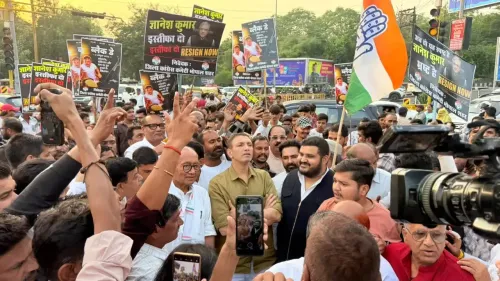
INDIA bloc leaders staged a protest at Lower PMG, Bhubaneswar on 11 October , condemning alleged police action during an October 10 Delhi demonstration.
Congress leader Santosh Singh Saluja alleged police misbehaved with women protesters in Delhi — 'unacceptable in a democracy.' Protesters claimed more than 7,000 people were arrested or detained during the October 10 Delhi protest; these claims remain unverified.
The bloc alleged that approximately 13 crore voters were deleted from electoral rolls within six months under the SIR exercise.
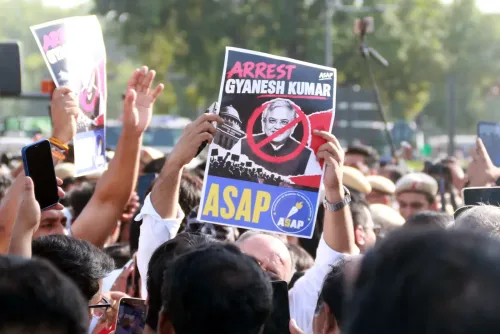
Four demands include dismissal of CEC Gyanesh Kumar , roll restoration, reinstatement of the three-member selection panel, and return to ballot papers over EVMs.
A massive Delhi rally has been announced for 12 October , with the nationwide agitation set to continue.
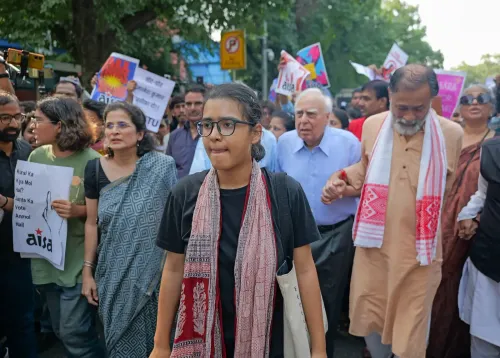
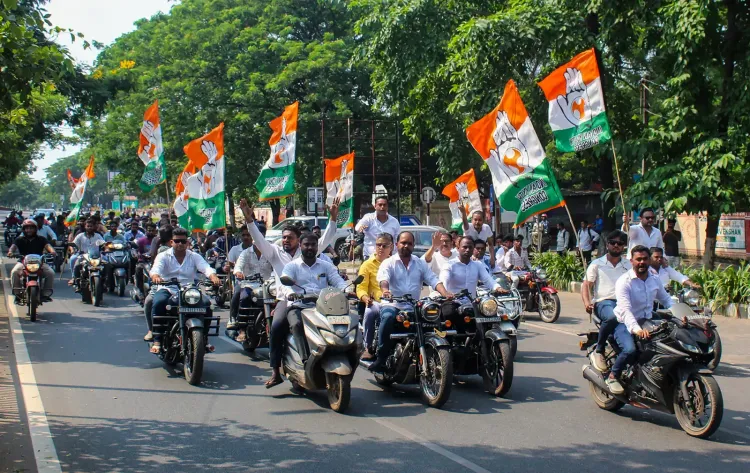
The Congress-led INDIA bloc staged a protest in Bhubaneswar on Sunday, 11 October, condemning alleged police excesses during an opposition demonstration in Delhi on 10 October and demanding the dismissal of Chief Election Commissioner (CEC) Gyanesh Kumar over alleged irregularities in the Special Intensive Revision (SIR) of electoral rolls. The demonstration, which drew leaders and activists from multiple opposition parties, marched from Master Canteen Square to Lower PMG in Bhubaneswar.
Key Allegations Against Police
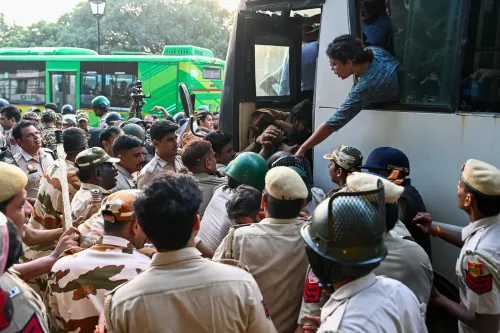
Addressing the gathering, senior Congress leader Santosh Singh Saluja alleged that police personnel had misbehaved with women protesters during the Delhi demonstration the previous day, calling the incident 'unacceptable in a democracy.' Speakers at the protest further alleged that the Union Home Ministry had created a 'war-like situation' in the capital, with police allegedly cordoning off political party offices, erecting barricades on roads, and detaining people arriving by train, Metro, and air.
According to the protesters' claims, police resorted to lathi charges and tear gas at several locations, with reportedly more than 7,000 people — including students, members of mass organisations, and political leaders — arrested and detained in connection with the October 10 demonstration. These claims have not been independently verified.
Electoral Roll Deletions at the Heart of the Dispute
Beyond the police action allegations, the INDIA bloc raised sharp questions about the Election Commission's handling of the SIR exercise. Saluja claimed that approximately 13 crore voters had been deleted from electoral rolls across the country within six months, a figure he attributed to the SIR process under CEC Kumar's oversight. Speakers alleged that the exercise had been specifically misused in Bihar, Tamil Nadu, and West Bengal following Kumar's appointment.
Notably, the Election Commission has not yet publicly responded to these specific allegations. The SIR exercise, designed as a systematic audit of electoral rolls, has been a flashpoint between the ruling and opposition camps over questions of electoral transparency and citizens' voting rights.
Four Demands Put Forward
The INDIA bloc leaders laid out four clear demands at the Bhubaneswar protest: the dismissal of CEC Gyanesh Kumar; the restoration of names deleted from electoral rolls during the SIR; the reinstatement of the earlier selection mechanism for Election Commissioners — comprising the Prime Minister, the Leader of the Opposition, and the Chief Justice of India; and the reintroduction of ballot papers in place of Electronic Voting Machines (EVMs).
This comes amid a broader pattern of opposition criticism of the Election Commission's independence and the EVM debate that has persisted across multiple election cycles.
What Comes Next
The leaders warned that the nationwide agitation would continue until all four demands were addressed. They also announced a massive rally in Delhi on 12 October, signalling an escalation of the opposition's mobilisation campaign. The Odisha protest is part of what the bloc described as a coordinated national effort, with similar demonstrations reportedly held in other states following the October 10 Delhi events.
Point of View
But it frames every subsequent election as contested before a vote is cast. The 13-crore voter deletion figure, if substantiated, would be among the most consequential electoral integrity claims in recent Indian history — yet it arrived without documentary evidence, which undermines its credibility and invites dismissal rather than scrutiny. The EVM demand, recycled from multiple election cycles, risks diluting the sharper and more actionable grievances around the SIR process.
NationPress
11 Oct 2026
Frequently Asked Questions
Why did the INDIA bloc protest in Bhubaneswar on 11 October?
The INDIA bloc staged a protest at Lower PMG in Bhubaneswar on 11 October to condemn alleged police excesses during an opposition demonstration in Delhi on 10 October and to demand the removal of Chief Election Commissioner Gyanesh Kumar over alleged irregularities in the Special Intensive Revision of electoral rolls.
What happened at the Delhi opposition protest on October 10?
According to INDIA bloc leaders, police allegedly used lathi charges and tear gas, cordoned off party offices, and arrested or detained more than 7,000 people — including students and political leaders — who had gathered for the demonstration. These claims have not been independently verified.
What is the Special Intensive Revision (SIR) of electoral rolls?
The SIR is a systematic audit process conducted by the Election Commission of India to verify and update voter rolls. The INDIA bloc has alleged that the exercise under CEC Gyanesh Kumar's watch resulted in roughly 13 crore voters being deleted from rolls across the country within six months, a claim the Election Commission has not yet publicly addressed.
What are the four demands made by the INDIA bloc?
The bloc demanded: the dismissal of CEC Gyanesh Kumar; restoration of names deleted from electoral rolls during the SIR; reinstatement of the earlier Election Commissioner selection mechanism involving the Prime Minister, the Leader of the Opposition, and the Chief Justice of India; and a return to ballot papers instead of EVMs.
What is planned next by the INDIA bloc after the Bhubaneswar protest?
The INDIA bloc announced a massive rally in Delhi on 12 October and said the nationwide agitation would continue until all four demands are met. The Odisha protest was part of a broader coordinated effort across multiple states.