Odisha Issues Safety SOP for Census Staff Amid Heatstroke & Assault Fears
Synopsis
Odisha's R&DM Department issued an emergency SOP on April 23 after census enumerators faced heatstroke and physical attacks including assaults in Dhenkanal. The directive bans fieldwork during 11am to 3pm, mandates police escorts in sensitive zones, and warns that obstructing census workers carries up to three years in prison under the Census Act, 1948.
Key Takeaways
Odisha's R&DM Department issued a formal SOP on April 23, 2026 to protect census enumerators and supervisors amid heatstroke and assault incidents.
Census fieldwork is banned between 11 a.m. and 3 p.m. to prevent heatwave-related illness during the April 16 to May 15, 2026 houselisting phase.
Physical attacks on census workers were reported in Dhenkanal district , prompting the department to mandate strict legal action under the Census Act, 1948 .
One police personnel will accompany enumerators in identified sensitive areas and worker movement schedules must be shared with local police stations.
District administrations must supply ORS packets to all field workers and enumerators must work in pairs in isolated or high-risk localities.
Obstruction of census workers is punishable with up to three years imprisonment under applicable law, the department warned.
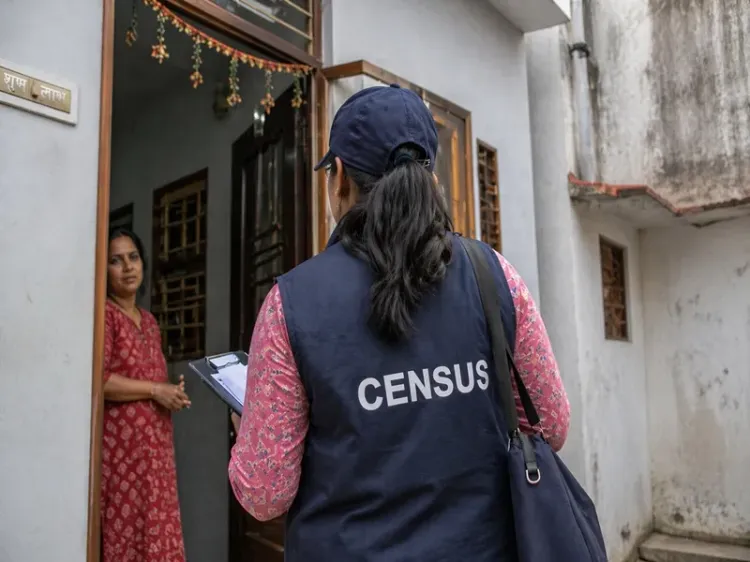
Bhubaneswar, April 23, 2026 — The Odisha Revenue and Disaster Management (R&DM) Department issued a comprehensive Standard Operating Procedure (SOP) on Thursday to protect census enumerators and supervisors following a series of heatstroke cases and physical assault incidents during the ongoing Census 2027 houselisting phase. The directive comes as field workers conduct door-to-door surveys across the state between April 16 and May 15, 2026, exposing them to both extreme summer heat and hostile residents.
What Triggered the Emergency SOP
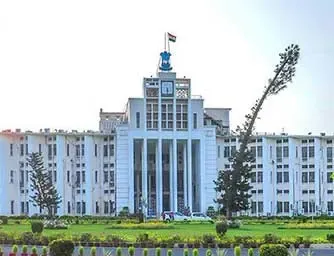
Additional Chief Secretary Arabinda Kumar Padhee of the R&DM Department addressed the directive to all District Collectors, Municipal Commissioners, and Superintendents of Police across Odisha. He cited certain untoward incidents in recent days that have raised serious concerns about the safety of census functionaries and disrupted field operations.
Particularly alarming were reported attacks on census workers in Dhenkanal district, which prompted the department to move beyond verbal advisories and formalise a binding protocol. The dual threat of scorching April temperatures and community hostility in certain pockets has put the entire census operation at risk.
Key Provisions of the Odisha Census Safety SOP
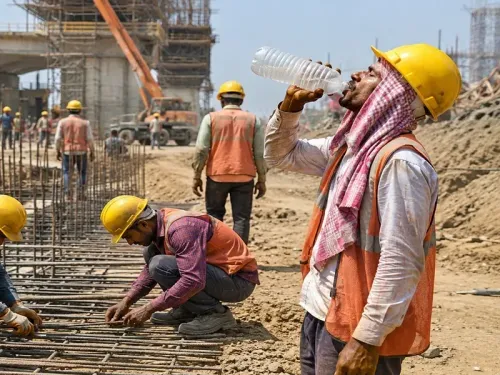
The SOP mandates that all enumerators and supervisors wear official ID cards at all times and carry appointment letters during field duties. Critically, census functionaries have been barred from conducting fieldwork between 11 a.m. and 3 p.m. to prevent heatwave-related illness and exhaustion.
The district administration has been directed to supply ORS (Oral Rehydration Salt) packets to all enumerators for use during field visits. Workers have also been instructed to take precautions against dehydration and heat-related health emergencies.
In isolated or sensitive localities, enumerators and supervisors must work in pairs. Supervisors are required to track enumerators every hour to monitor both progress and security. If workers face hostility or perceived threats, they have been advised to disengage immediately, avoid confrontation, skip the specific household or area, and revisit later with police protection.
Police Coordination and Legal Consequences for Obstruction
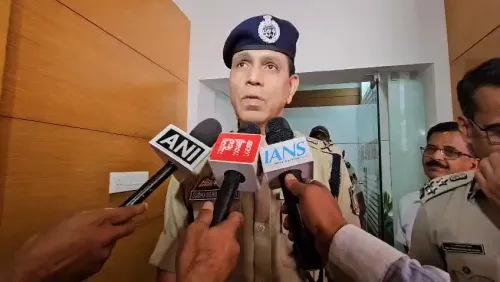
The SOP places significant emphasis on law enforcement coordination. Enumerators and supervisors details must be shared with local police stations, which must be briefed on their daily movement schedules. In identified sensitive areas, one police personnel will accompany census teams during fieldwork.
Census functionaries have also been advised to engage local community leaders before beginning work in their areas to build trust and reduce friction. Any incidents must be reported to higher authorities immediately.
The department issued a stern legal warning that any individual who obstructs or hinders census functionaries in discharging their duties shall be liable for legal action under the Census Act, 1948. Offences under the Act carry penalties including fines and imprisonment of up to three years.
Broader Context: Why This Matters Beyond Odisha
Census 2027 is India's first full population census since 2011, a 16-year gap caused by repeated postponements including delays due to the COVID-19 pandemic. The houselisting phase now underway is the critical first step before the actual population enumeration, and any disruption risks cascading delays in data collection that feeds welfare schemes, constituency delimitation, and national planning.
Attacks on government field workers including health workers and revenue officials have been a recurring problem across Indian states. The Odisha incidents echo similar assaults on ASHA workers, polio volunteers, and revenue surveyors in other states, pointing to a deeper issue of public distrust and the physical vulnerability of frontline government personnel.
The decision to restrict fieldwork during peak heat hours also reflects growing institutional acknowledgment of occupational heat stress as a public health and labour rights issue, a concern amplified by India's worsening heat wave patterns in recent years, with Odisha consistently among the states with the highest heat-related mortality.
Impact on Census 2027 Operations
With the houselisting phase running until May 15, 2026, the window for data collection is tight. Restricting work hours to avoid peak heat, while necessary for worker safety, effectively compresses the productive fieldwork window to morning and evening slots, placing additional pressure on enumerators to meet coverage targets.
The mandatory police escort in sensitive areas, while a protective measure, may also affect the candour of respondents, a methodological concern that census experts have flagged in past exercises. Authorities will need to balance security with the integrity of data collection.
As Census 2027 progresses toward the population enumeration phase later this year, the Odisha government's response will be closely watched as a model for how states manage field operations under extreme conditions.
Point of View
Yet systemic protection protocols rarely precede incidents. More critically, the operational squeeze created by restricting fieldwork hours raises legitimate questions about data quality and coverage completeness in a census that will shape welfare allocation and delimitation for the next decade.
NationPress
19 Sept 2026
Frequently Asked Questions
Why did Odisha issue an SOP for census workers in April 2026?
Odisha issued the SOP on April 23, 2026, after census enumerators reported heatstroke cases and physical assaults including attacks in Dhenkanal district during the Census 2027 houselisting phase. The directive aims to protect field workers and ensure uninterrupted data collection through May 15, 2026.
What are the key rules in Odisha's census worker safety SOP?
The SOP bans fieldwork between 11 a.m. and 3 p.m. to prevent heatstroke, requires workers to carry ID cards and appointment letters, mandates pair-working in sensitive areas, and directs police to escort enumerators in high-risk zones. ORS packets must also be supplied to all field workers by district administrations.
What is the punishment for attacking or obstructing a census worker in India?
Under the Census Act, 1948, obstructing or hindering census functionaries is a punishable offence carrying a fine and imprisonment of up to three years. Odisha's R&DM Department has warned that strict legal action will be taken against violators.
What is Census 2027 and why is it important?
Census 2027 is India's first full population census since 2011, delayed by over a decade including due to the COVID-19 pandemic. It is critical for updating welfare scheme beneficiary lists, parliamentary constituency delimitation, and national development planning.
Which district in Odisha saw attacks on census workers?
Census functionaries were reportedly attacked in Dhenkanal district of Odisha during the ongoing houselisting phase of Census 2027. These incidents were a key trigger for the R&DM Department's emergency SOP issued on April 23, 2026.