Odisha CM Majhi Unlocks ₹43,437 Cr at FoodPro 2026
Synopsis
At OdishaFoodPro2026 in New Delhi, Chief Minister Mohan Majhi secured ₹43,437 crore in investments, signed 27 MoUs, and unveiled a 5-pillar food processing roadmap targeting 43,316 jobs and rural transformation across Odisha.
Key Takeaways
₹43,437 crore in total investment impact announced at OdishaFoodPro2026 in New Delhi on 7 August 2026 .
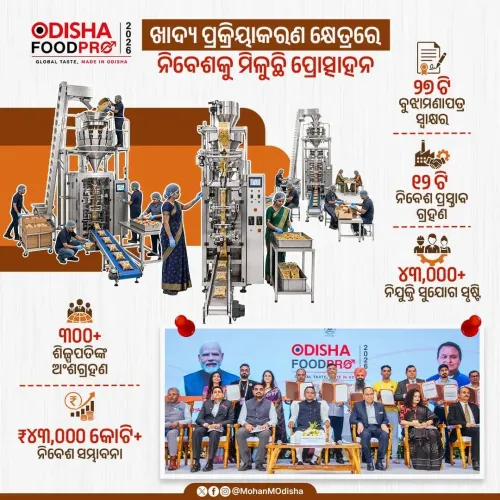
27 MoUs worth ₹41,748 crore signed; 12 investment intents worth ₹1,689 crore received.
43,316 potential jobs projected from the announced investments.
CM Mohan Majhi unveiled a 5-pillar roadmap covering cluster creation, cold-chain infrastructure, quality certification, FPO/MSME/SHG integration, and skill development.
The event aligns with the central government's PMFME scheme and Odisha's long-standing agro-industrial policy focus.
Implementation of MoUs and the 5-pillar plan will be the key metric to watch in the months ahead.
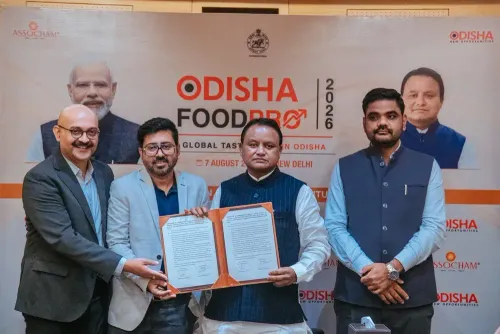
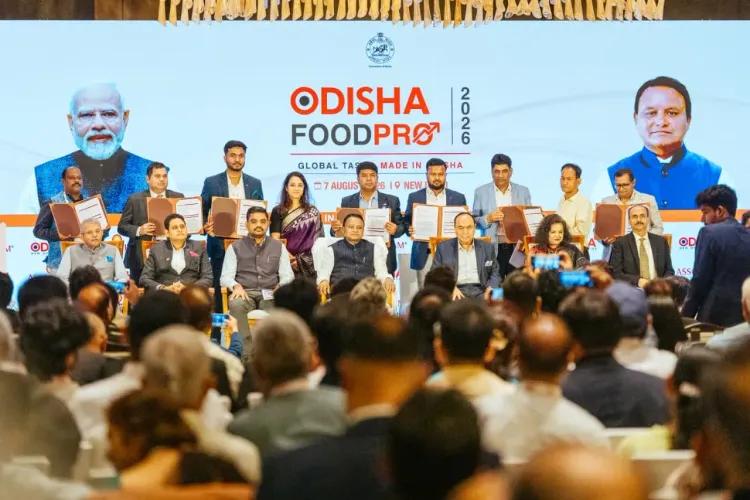
A single number tells the story: ₹43,437 crore in investment commitments, secured in one day, in one room, for one sector that connects Odisha's paddy fields to its industrial future. At the OdishaFoodPro2026 conclave held in New Delhi on 7 August 2026, Chief Minister Mohan Charan Majhi — backed by the Chief Minister's Office of Odisha — made the state's most ambitious pitch yet to become India's preferred food processing destination.
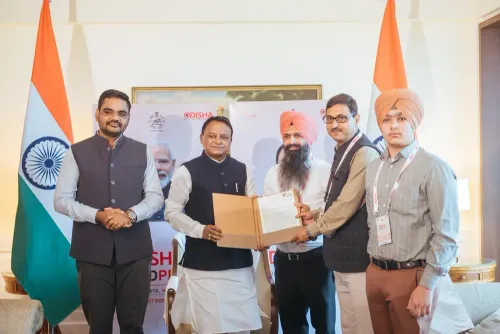
The numbers are hard to ignore. 27 Memoranda of Understanding worth ₹41,748 crore were signed on the floor of the event, with an additional 12 investment intents totalling ₹1,689 crore received — together projecting 43,316 potential jobs across the state's food processing ecosystem.
Majhi's Five-Pillar Blueprint for the Farm-to-Factory Chain
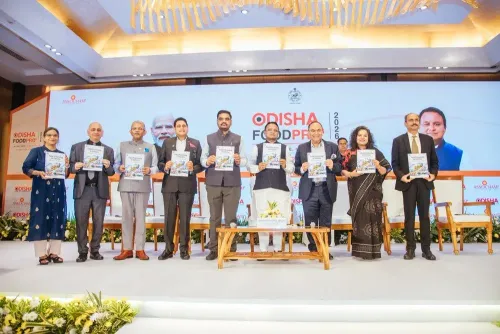
The Chief Minister used the platform to unveil a 5-pillar roadmap that frames Odisha's food processing ambition as a structural programme, not a one-off event. The pillars target cluster creation, cold-chain infrastructure, quality certification, integration of Farmer Producer Organisations (FPOs), MSMEs, and Self-Help Groups (SHGs), and workforce skill development. Together, they address the full supply chain — from harvest to shelf — rather than just the processing plant.
Majhi framed the vision sharply: 'Food processing is the bridge between farmers' prosperity, rural transformation and Odisha's industrial future.' The reference to PMO India in the post signals deliberate alignment with central government priorities, particularly the PM Formalisation of Micro Food Processing Enterprises (PMFME) scheme launched in 2020, which has supported micro food processing units and FPO integration in states including Odisha.
Why New Delhi, and Why Now
Staging the conclave in the capital is itself a strategic signal. Indian states have increasingly taken sector-focused investment roadshows to New Delhi and Mumbai to command national investor attention — and Odisha, a state with significant agricultural output including rice, oilseeds, and marine produce, is staking its claim at a moment when food processing has become a priority manufacturing segment nationally.
Odisha's Industrial Policy Resolution has long targeted agro-based industries to add value to raw farm output. OdishaFoodPro2026 represents the sharpest, most quantified expression of that policy lineage — with MoU volumes that, if realised, would rank this among the state's largest single-sector investment events on record.
The real test begins now: converting signed MoUs and investment intents into operational plants, cold-chain networks, and actual jobs on the ground — a conversion rate that has historically separated India's investment summits from genuine industrial transformation.
Point of View
Using food processing as the connective tissue between farm income and manufacturing employment. The explicit alignment with PMO India suggests Odisha is threading its state-level ambitions into the central government's food processing push, a smart play for policy support and funding. The 5-pillar structure, covering infrastructure, certification, and institutional integration of FPOs and SHGs, reflects a more systemic approach than typical investment summits. The critical question is MoU realisation: India's investment conclave circuit has a well-documented gap between announcements and ground-level execution, and Odisha's credibility in this sector will be measured by how quickly the cold chains and clusters materialise.
NationPress
22 Sept 2026
Frequently Asked Questions
What is OdishaFoodPro2026?
OdishaFoodPro2026 is an investment promotion conclave organised by the Government of Odisha in New Delhi to attract capital into the state's food processing sector, where Chief Minister Mohan Majhi announced ₹43,437 crore in total investments on 7 August 2026.
How much investment did Odisha get at OdishaFoodPro2026?
Odisha secured a total investment impact of ₹43,437 crore — comprising 27 MoUs worth ₹41,748 crore and 12 investment intents worth ₹1,689 crore — at OdishaFoodPro2026.
How many jobs will the Odisha food processing investments create?
The investments announced at OdishaFoodPro2026 project the creation of 43,316 potential jobs across Odisha's food processing sector.
What is CM Mohan Majhi's 5-pillar food processing roadmap?
CM Majhi's 5-pillar roadmap focuses on cluster creation, cold-chain infrastructure development, quality certification, integration of FPOs, MSMEs, and SHGs into the value chain, and workforce skill development.
How does Odisha's food processing push connect to central government schemes?
Odisha's food processing strategy aligns with the central government's PMFME scheme launched in 2020, which supports micro food processing units and FPO integration in states including Odisha, and the event's reference to PMO India signals coordination with national priorities.