Odisha CM Majhi holds G2B meets at Food Pro 2026 in Delhi
Synopsis
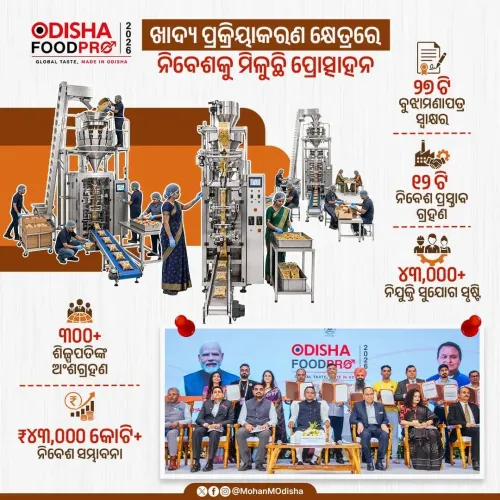
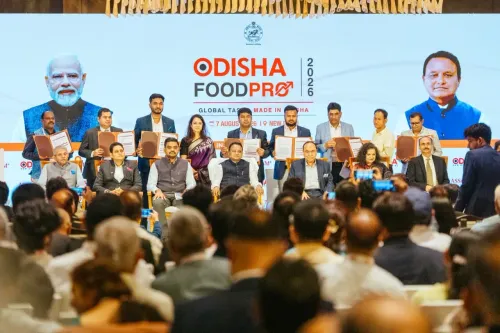
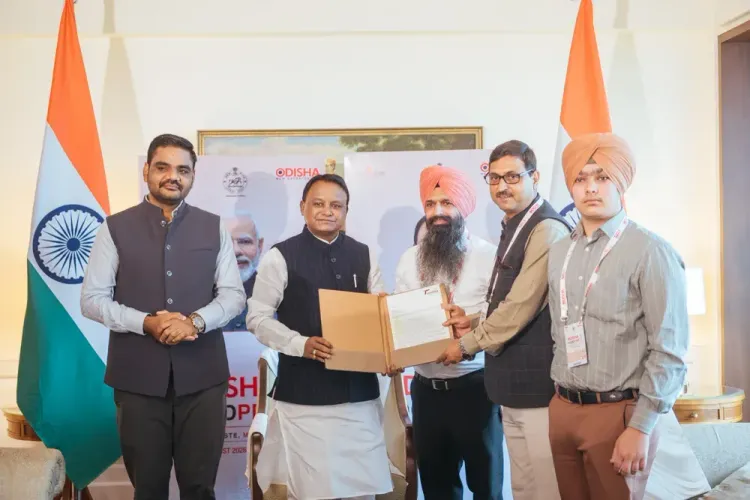
Chief Minister Mohan Charan Majhi held Government-to-Business meetings with investors on the sidelines of Odisha Food Pro 2026 in New Delhi on 7 August 2026, focusing on expediting MoU-backed investment proposals and accelerating food processing projects across Odisha.
Key Takeaways
CM Mohan Charan Majhi held G2B meetings with industry leaders and investors in New Delhi on 7 August 2026 .
The meetings were held on the sidelines of Odisha Food Pro 2026 , a sector-focused investor event for Odisha's food processing industry.
Discussions centred on expediting investment proposals, strengthening partnerships, and accelerating project implementation.
The sessions followed MoU signings at the investors' meet, signalling a push to move from commitments to execution.
Odisha's food processing pitch is backed by its strong agricultural base in rice, seafood, and horticulture, and aligns with the central PMFME scheme launched in 2020.
The CMO tagged @PMOIndia , indicating close coordination with the Centre on investment facilitation.
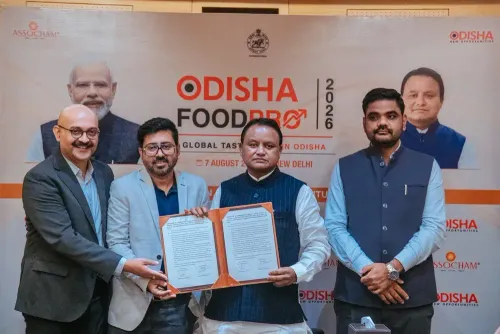
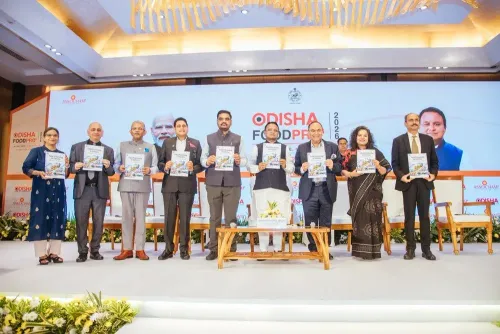
On the sidelines of a high-stakes sector summit in the capital, Chief Minister Mohan Charan Majhi sat down with leading industry leaders and investors on Friday, 7 August 2026 — moving from the MoU-signing table straight into the room where implementation actually gets hammered out.
The Chief Minister's Office of Odisha confirmed that the meetings, held on the sidelines of Odisha Food Pro 2026 in New Delhi, were structured as Government-to-Business (G2B) dialogues — a deliberate step beyond ceremonial signings. The agenda: expediting investment proposals, deepening strategic partnerships, and accelerating project rollout across Odisha's food processing sector.
From signatures to schedules: the G2B push
State governments across India routinely organise sector-specific conclaves in New Delhi to court capital. What separates the follow-through from the fanfare is what happens after the MoUs are signed — and that is precisely the gap these G2B sessions are designed to close. By convening investors immediately after the signing ceremony, CM Majhi signalled that his administration is treating Odisha Food Pro 2026 as a pipeline-building exercise, not a photo opportunity.
Why food processing, and why now
Odisha sits on a formidable agricultural base — a major producer of rice, seafood, and horticultural output — but has historically exported raw commodities rather than value-added products. The Pradhan Mantri Formalisation of Micro Food Processing Enterprises (PMFME) scheme, launched in 2020, opened a central-government funding window that states like Odisha can leverage to formalise and scale agro-processing clusters. Majhi's BJP-led government, in office since June 2024, has leaned into this alignment — using the Centre's push on farmer-income enhancement as a tailwind for its own industrial outreach.
The CMO's post also tagged @PMOIndia, a signal that the state is keeping New Delhi closely looped in on these investment conversations — and perhaps eyeing central support for any food processing parks or units that emerge from the day's discussions.
What investors and Odisha farmers are watching
For the agro-MSMEs and food processing investors in the room, the proof will be in the timelines. Ground-level progress on the MoUs — whether new processing parks materialise, whether single-window clearances speed up, whether farmer-linkage models get built into project designs — will define whether Odisha Food Pro 2026 becomes a landmark or a footnote.
Odisha's farmers, who supply the raw material that makes any of this possible, have the most riding on whether these boardroom commitments translate into procurement networks and price stability at the farm gate.
The investments locked in today will only matter when the first processing unit switches on — and Odisha is betting that moment comes sooner than the next investors' meet.
Point of View
Securing visible investment wins in food processing serves a dual political purpose: it demonstrates economic momentum to a state electorate that has historically leaned away from the party, while aligning with the Centre's farmer-income and agro-formalisation agenda under PMFME. The tagging of PMO India is not incidental — it positions the state government as a proactive partner in national economic goals, potentially unlocking faster central approvals and co-investment. The real test, however, is whether the pipeline built in New Delhi's conference rooms survives contact with Odisha's ground-level clearance and infrastructure realities.
NationPress
22 Sept 2026
Frequently Asked Questions
What is Odisha Food Pro 2026?
Odisha Food Pro 2026 is a sector-focused investor event organised by the Odisha government in New Delhi to promote investment in the state's food processing industry and secure project commitments from industry leaders.
What did CM Mohan Charan Majhi do at Odisha Food Pro 2026?
CM Majhi held a series of Government-to-Business (G2B) meetings with leading investors and industry leaders on 7 August 2026, following MoU signings, to expedite investment proposals and accelerate food processing projects in Odisha.
What is the PMFME scheme and how does it relate to Odisha?
The Pradhan Mantri Formalisation of Micro Food Processing Enterprises (PMFME) scheme, launched in 2020, supports micro-enterprises and value addition in agriculture. Odisha is among the states eligible to leverage this central scheme to scale agro-processing.
Why is Odisha focusing on food processing investment?
Odisha is a major producer of rice, seafood, and horticultural crops but has historically exported raw commodities. Investment in food processing is aimed at adding value to these products, raising farmer incomes, and generating industrial employment.
When did Mohan Charan Majhi become Chief Minister of Odisha?
Mohan Charan Majhi became Chief Minister of Odisha in June 2024, leading the state's first BJP-led government.