Odisha CMO Rushes Safe Water to Flood-Hit Districts
Synopsis
The Chief Minister's Office of Odisha has activated a war-footing response to restore safe drinking water in flood-hit Bhadrak, Balasore, and Jajpur districts, deploying mobile treatment units, water tankers, bleaching powder stocks, and 24-hour district control rooms to prevent waterborne disease outbreaks.
Key Takeaways
Bhadrak, Balasore, and Jajpur districts have suffered the worst damage to rural drinking water infrastructure and have received dedicated restoration teams.
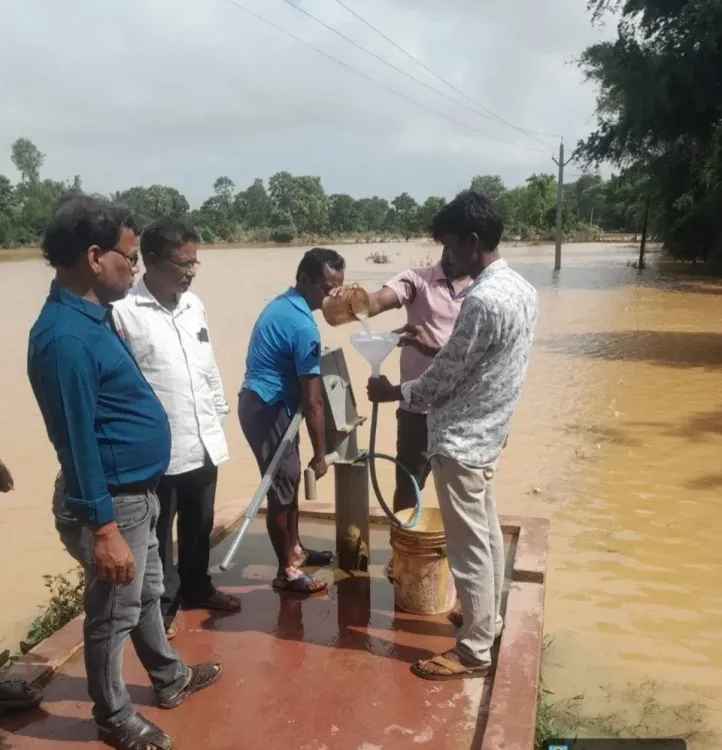
Submerged handpumps and Pipe Water Supply (PWS) schemes are being disinfected and repaired on an emergency 'war footing' basis.
Mobile Water Treatment Units (MTUs) , diesel generator sets, water tankers, and synthetic-tank vehicles have been deployed at the field level.
Packaged drinking water bottles and pouches are being distributed; adequate stocks of bleaching powder have been pre-positioned for disinfection.
24-hour control rooms are operational in all districts and at the EIC, RWS&S office in Bhubaneswar .
Immediate orders have been issued for repair and restoration of essential public utilities to normalise services quickly.
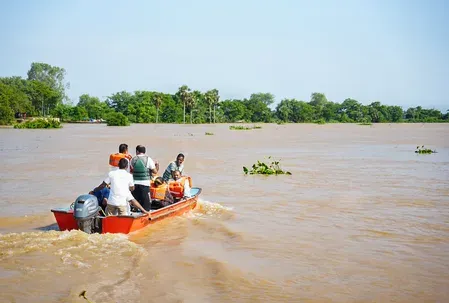
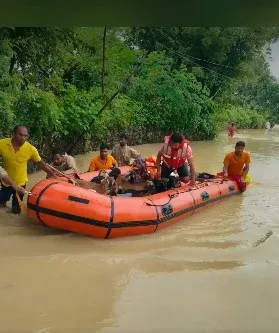
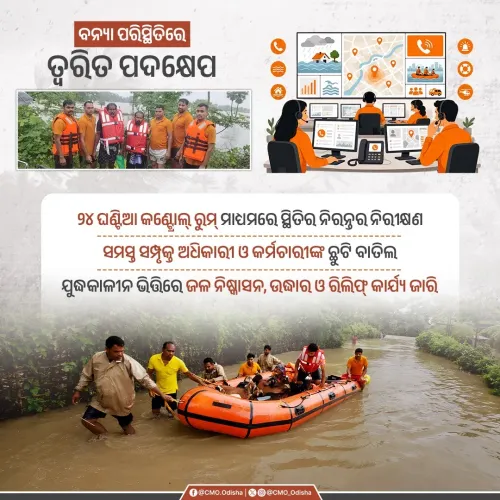
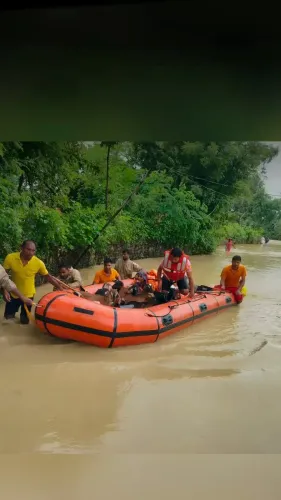
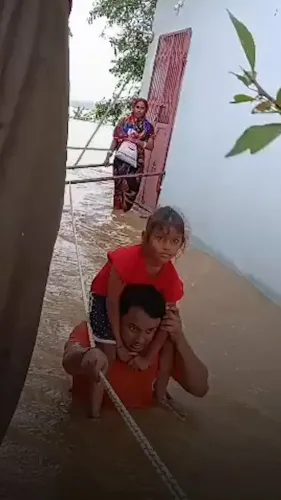
With floodwaters still coursing through the northern coastal belt of Odisha, the state government is racing to ensure that the next crisis — contaminated drinking water — does not follow. The Chief Minister's Office of Odisha on Saturday, 1 August 2026 announced a multi-front emergency response to restore safe drinking water across flood-affected regions, deploying mobile treatment units, water tankers, and round-the-clock control rooms to keep disease at bay.
Three Districts at the Centre of the Crisis
The post identifies Bhadrak, Balasore, and Jajpur as the districts where rural drinking water infrastructure has taken the heaviest hit. These are Odisha's perennial flood frontline — fed by the Baitarani, Salandi, Brahmani, Budhabalanga, and Subarnarekha river systems, which surge every southwest monsoon season. Dedicated teams have been deployed specifically to these three districts to carry out disinfection work on a continuous basis.
Submerged handpumps and damaged Pipe Water Supply (PWS) schemes are being disinfected and repaired on what the CMO describes as a 'yuddhakalin bhitti' — a war footing. The urgency is deliberate: stagnant floodwater pooling around drinking water sources is a classic trigger for cholera, typhoid, and gastroenteritis outbreaks.
Mobile Treatment Units and Tankers Rolled Out
On the ground, the response leans on a suite of portable assets. Mobile Water Treatment Units (MTUs) — emergency purification systems that can be driven directly into affected villages — have been deployed alongside diesel generator sets, water tankers, and vehicles fitted with synthetic tanks. The combination is designed to bridge the gap between when a PWS scheme goes down and when it is restored.
Packaged drinking water bottles and pouches are being distributed in the worst-affected pockets, while stocks of bleaching powder have been pre-positioned to keep disinfection capacity ahead of demand. Orders have also been issued to begin repair and restoration of essential public utilities without delay.
24-Hour Control Rooms Activated Across All Districts
Coordination is being anchored through 24-hour control rooms activated in every district, with the Engineer-in-Chief's office of the Rural Water Supply and Sanitation (RWS&S) department in Bhubaneswar serving as the nodal hub. The RWS&S is the state agency responsible for rural drinking water infrastructure, and its activation at the apex level signals that this is being treated as a state-level emergency, not a district-level routine.
Odisha has institutionalised this playbook over years of monsoon response — rapid deployment of MTUs, district teams, and control rooms is now standard operating procedure under the State Disaster Management Authority framework. The test, as always, is whether restoration outpaces the spread of waterborne illness in the coming days.
Point of View
Through painful experience, that drinking water contamination is the second wave of any flood disaster. By naming specific districts and specific assets — MTUs, bleaching powder stocks, 24-hour control rooms — the CMO's office is signalling operational readiness rather than vague assurance, a posture that aligns with the state's broader reputation for institutionalised disaster management. The emphasis on PWS scheme restoration also fits into the larger national push under the Jal Jeevan Mission to extend piped water coverage to rural households, making rapid repair of that infrastructure a political as well as humanitarian priority. The real measure of this response will come in the next fortnight: whether waterborne disease case counts in these three districts stay low.
NationPress
16 Sept 2026
Frequently Asked Questions
Which Odisha districts are worst affected by the flood drinking water crisis?
Bhadrak, Balasore, and Jajpur have been identified as the districts where rural drinking water infrastructure has suffered the most damage, and dedicated teams have been deployed there for continuous disinfection and repair work.
What is a Mobile Water Treatment Unit (MTU) and how is it being used in Odisha floods?
A Mobile Water Treatment Unit (MTU) is a portable water purification system mounted on a vehicle that can be driven directly into flood-affected villages to provide safe drinking water when fixed pipe supply schemes are non-functional.
Is there a flood helpline or control room number active in Odisha right now?
24-hour control rooms have been activated in all districts of Odisha, as well as at the Engineer-in-Chief's office of the Rural Water Supply and Sanitation (RWS&S) department in Bhubaneswar . Residents should contact their district administration for specific helpline numbers.
How is the Odisha government preventing waterborne diseases after the flood?
The government is disinfecting submerged handpumps and PWS schemes with bleaching powder , distributing packaged drinking water bottles and pouches, deploying MTUs and water tankers, and running 24-hour monitoring through district control rooms to prevent outbreaks of waterborne illness.
What is RWS&S and what role does it play in Odisha flood relief?
Rural Water Supply and Sanitation (RWS&S) is the Odisha government department responsible for rural drinking water infrastructure. Its Engineer-in-Chief's office in Bhubaneswar is serving as the nodal coordination hub for the current flood water-restoration response.