Jal Shakti Ministry Reports Over 44% of Rural Homes in Kerala and Jharkhand Lack Tap Water
Synopsis
A staggering 3.54 crore rural households are still without tap water supply in India, with Kerala and Jharkhand leading the way. Discover the implications of this ongoing issue as the Jal Shakti Ministry outlines current data and initiatives aimed at improving access to clean water.
Key Takeaways
Over 3.54 crore rural households lack tap water supply.
Kerala and Jharkhand have the highest percentages of households without access.
11 States/UTs achieved 100% coverage under the Jal Jeevan Mission.
Water quality monitoring is critical for the piped water supply.
Functionality assessments show progress in rural water access.
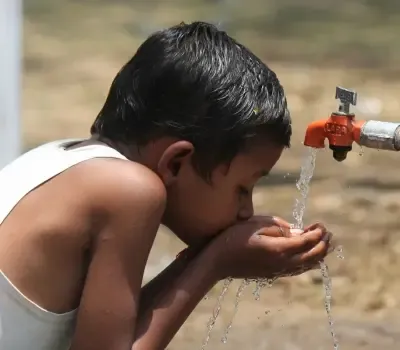
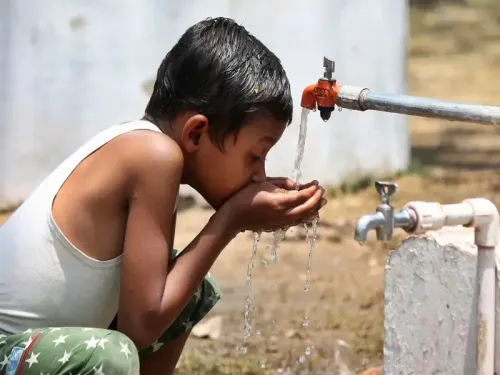
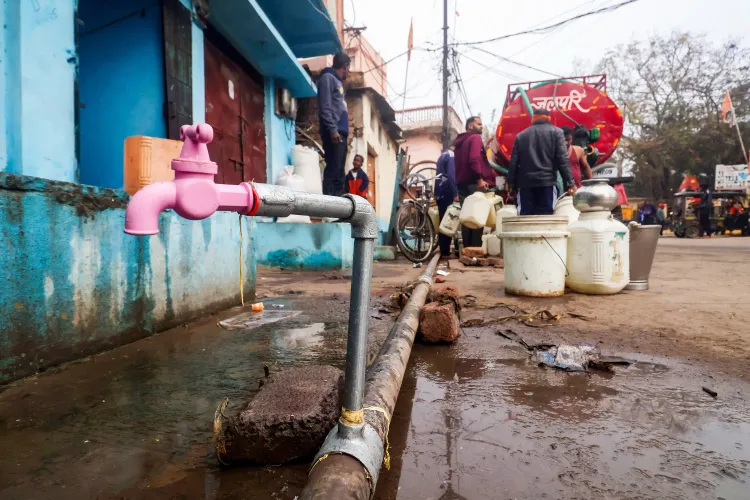
New Delhi, March 12 (NationPress) A staggering 3.54 crore (18.29 percent) rural households remain without access to tap water, with Kerala and Jharkhand leading as the states with the highest proportions—over 44 percent—of village homes lacking this essential facility, as disclosed by the Lok Sabha on Thursday.
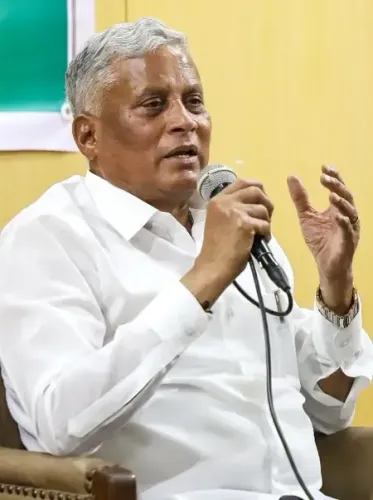
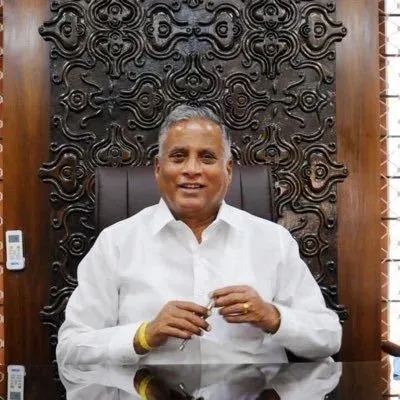
The Minister of State for Jal Shakti, V. Somanna, provided detailed statistics indicating that in Kerala, 45.12 percent of rural homes do not have tap water supply, while Jharkhand has 44.82 percent of its households still in need of this vital service.
Specifically, Kerala has 31.93 lakh rural households awaiting piped water supply, and Jharkhand is experiencing a shortfall of 28.03 lakh homes without tap water.
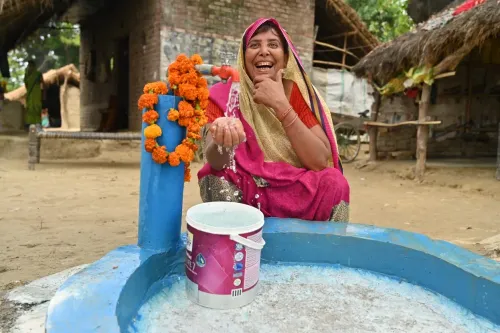
According to the MoS, 11 States/UTs have successfully achieved 100 percent tap water supply coverage for rural households under the Jal Jeevan Mission (JJM) - Har Ghar Jal initiative, launched in 2019.
These states include Gujarat, Haryana, Himachal Pradesh, Punjab, Rajasthan, Tripura, Nagaland, Goa, Dadra and Nagar Haveli, Daman and Diu, Arunachal Pradesh, and the Andaman and Nicobar Islands.
Initially, at the launch of the Mission, only 3.23 crore (16.7 percent) rural households had reported having tap water connections. As of March 3, 2026, the number of additional rural households with tap water connections has exceeded 12.58 crore, as reported by various States/UTs under the Jal Jeevan Mission.
Thus, by March 3, 2026, out of approximately 19.36 crore rural households in India, around 15.82 crore (81.71 percent) are reported to have tap water supply in their homes, while efforts for the remaining 3.54 crore households are at different stages of progress within their respective States.
Under JJM, the Bureau of Indian Standards’ BIS:10500 guidelines are utilized as benchmarks for ensuring the quality of water supplied through piped systems.
The Operational Guidelines permit States/UTs to allocate up to 2 percent of their annual JJM funds for Water Quality Monitoring and Surveillance (WQM&S) activities, which encompass setting up and strengthening water quality testing laboratories, procuring necessary equipment, and conducting community-sourced water quality surveillance.
In December 2024, a 'Concise Handbook for Monitoring Water Quality of Piped Drinking Water Supply to Rural Households' was released to guide States/UTs, as stated by the MoS.
This handbook emphasizes comprehensive testing of drinking water samples at critical points such as sources (both surface and groundwater), treatment facilities, storage, and distribution locations, along with necessary remedial actions to ensure that the water supplied meets the prescribed quality standards.
To assess the functionality of household tap water connections provided under the Mission, independent third-party assessments are conducted based on standard statistical sampling, the MoS further noted.
During the Functionality Assessment of 2024, it was discovered that 98.1 percent of households in surveyed villages had tap connections; 87 percent of these households reported receiving water in the past week, showcasing overall progress. Additionally, 84 percent of households received water on schedule, while 80 percent were provided with the minimum 55 LPCD of water. Moreover, 76 percent of households' water supply was found free from bacteriological contamination, and 81 percent of the sources were free from chemical contamination, with 76 percent of household tap connections deemed functional, according to the MoS.
Point of View
Predominantly in Kerala and Jharkhand. It emphasizes the need for focused governmental initiatives to ensure basic amenities reach every corner of the country, aligning with the Jal Jeevan Mission's goals for sustainable water access.
NationPress
26 Sept 2026
Frequently Asked Questions
What percentage of rural households lack tap water supply?
Currently, 18.29 percent of rural households, equating to 3.54 crore, do not have access to tap water supply.
Which states have the highest percentages of households without tap water?
Kerala and Jharkhand are the two states with the highest percentages of rural households lacking tap water supply, exceeding 44 percent.
How many states have achieved 100% tap water coverage?
As of now, 11 States/UTs have achieved 100 percent coverage in tap water supply under the Jal Jeevan Mission.
What initiatives are in place to monitor water quality under JJM?
States/UTs can allocate up to 2 percent of their annual JJM funds for Water Quality Monitoring and Surveillance activities, ensuring the quality of the water supplied.
What is the functionality assessment of tap water connections?
In the 2024 assessment, it was found that 98.1 percent of surveyed households had tap connections, indicating significant progress in the mission.