Have 2.69 Lakh Villages Achieved 100% Tap Water Supply?
Synopsis
In a significant achievement, 2.69 lakh villages in India have reached the milestone of 100% tap water supply for households. This initiative is part of the Jal Jeevan Mission led by the Government of India, aiming to ensure access to potable water in rural areas.
Key Takeaways
2.69 lakh villages have achieved the target of 100% tap water supply .
The Jal Jeevan Mission aims to provide potable water to rural households.
Over 15.76 Crore rural households now have tap water connections.
States play a crucial role in implementing water supply schemes.
Renewable energy initiatives are included in the JJM plan.
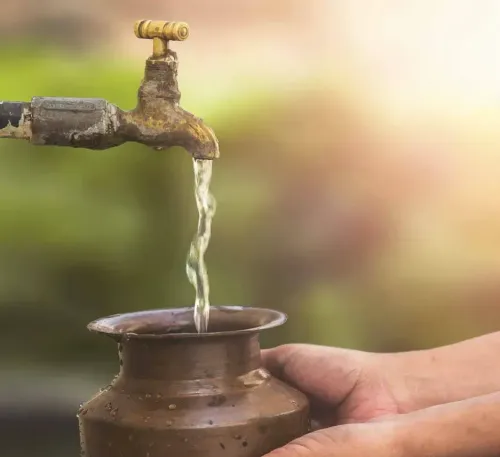
New Delhi, Dec 18 (NationPress) It has been reported that 2.69 lakh villages have successfully met the goal of providing 100 percent tap water supply to all households, as stated in Parliament on Thursday.
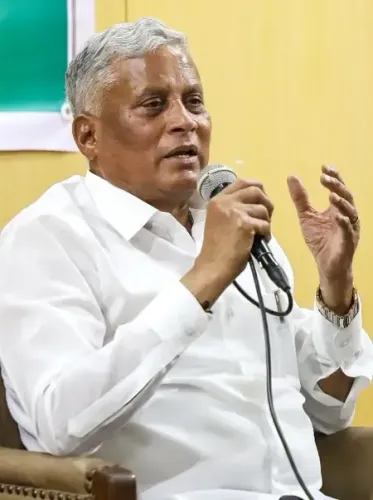
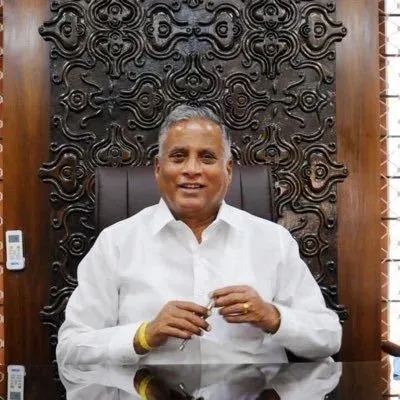
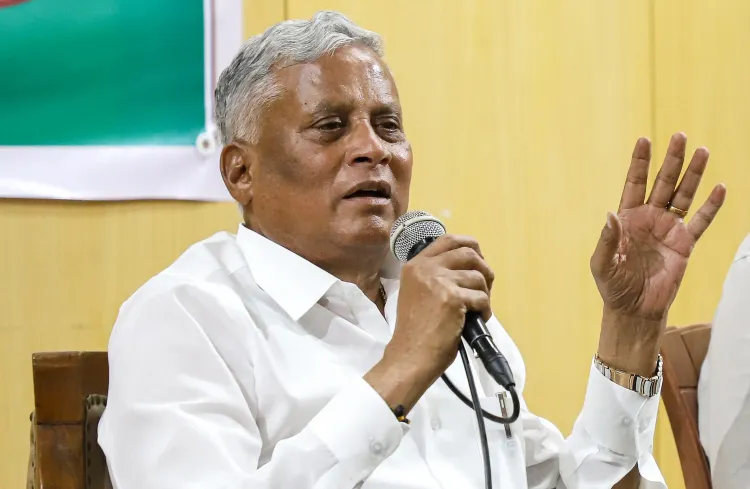
Minister of State for Jal Shakti, V. Somanna, provided this information in a written response during a Lok Sabha session. He noted that since August 2019, the Government of India, in collaboration with the States, has been executing the Jal Jeevan Mission (JJM) – Har Ghar Jal initiative, aimed at ensuring access to potable water in sufficient quantities through operational tap water connections in approximately 5.86 lakh villages.
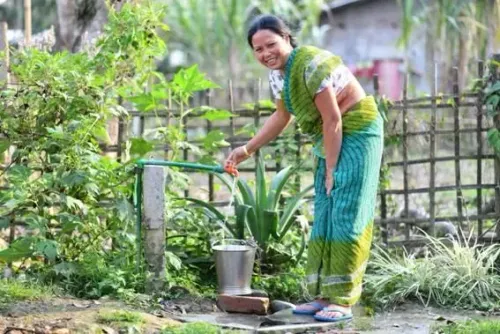
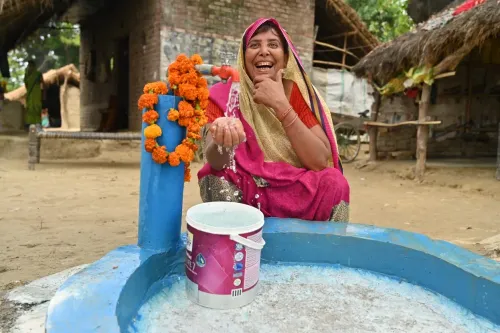
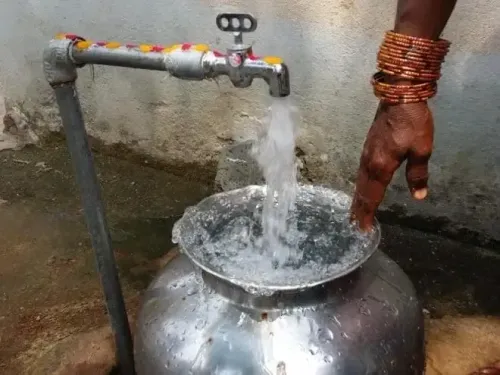
When the Jal Jeevan Mission was first announced, only 3.23 Crore (17 percent) rural households had tap water connections. As of December 16, 2025, around 12.53 crore additional rural households have received tap water connections, according to the MoS.
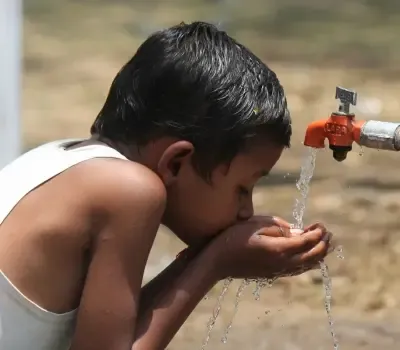
Among the 19.36 crore rural households across the country, over 15.76 Crore (81.42 percent) households in approximately 5.82 lakh villages now have tap water supply in their homes. Work to provide connections for the remaining households is currently underway, following the saturation plans laid out by respective States/UTs, Somanna elaborated.
The MoS clarified that drinking water management falls under state jurisdiction, and it is the states that design, approve, and implement water supply schemes, including solar-based solutions. The Government of India supports these efforts by offering technical and financial assistance.
The JJM includes provisions for exploring the installation of solar-powered standalone water supply systems in remote villages, favoring solar power pumping arrangements for individual village water supply schemes, and facilitating the use of solar power in multi-village water supply projects.
Somanna emphasized that to ensure effective execution and monitoring of ongoing projects, including solar initiatives, a comprehensive multi-level monitoring system has been established. This includes regular implementation reviews, workshops, webinars for capacity building, field visits by multidisciplinary teams for technical assistance, and rigorous monitoring mechanisms such as geo-tagging of assets and third-party inspections prior to payments.
Point of View
The achievement of 2.69 lakh villages in ensuring 100% tap water supply reflects the commitment of the Government of India towards improving rural infrastructure and public health. This initiative not only signifies progress in water accessibility but also embodies the collaborative efforts between the central and state governments. It is a step towards fulfilling the basic needs of rural populations, thereby enhancing their quality of life.
NationPress
26 Sept 2026
Frequently Asked Questions
What is the Jal Jeevan Mission?
The Jal Jeevan Mission (JJM) is an initiative by the Government of India aimed at providing potable water through functional tap connections to all rural households.
How many villages have achieved 100% tap water supply?
As of now, 2.69 lakh villages have successfully achieved the target of 100% tap water supply to households.
What percentage of rural households have tap water connections?
Currently, more than 81.42% of rural households have access to tap water connections.
What role do states play in the water supply schemes?
States are responsible for planning, designing, and implementing water supply schemes, with the Government of India providing support and funding.
Are there any renewable energy initiatives under JJM?
Yes, JJM includes provisions for solar-powered water supply systems to promote the use of renewable energy in rural water supply.