Indian Army rescues 790+ in Gujarat flood ops, wraps 3-day HADR mission
Synopsis
The Indian Army wrapped up a three-day HADR mission in flood-hit Gujarat and Dadra & Nagar Haveli, evacuating over 790 people — the largest coordinated military-civil flood response in the region this monsoon season. With the Coast Guard adding 170 more rescues, the operation signals how extreme monsoon events are increasingly demanding full-spectrum military deployment alongside civilian agencies.
Key Takeaways
The Indian Army evacuated more than 790 civilians over three days during flood relief operations in Gujarat and Dadra & Nagar Haveli .
Operations began on 23 July under the Southern Command , covering Navsari , Valsad , Vapi , Silvassa , Dholka , and Rajoda .
The Indian Coast Guard conducted 11 separate operations , rescuing 170 people in Daman , Dadra & Nagar Haveli , and South Gujarat .
Medical teams provided treatment and relief personnel distributed food, water, and essential supplies to affected residents.
As rainfall eased on Sunday, Gujarat authorities shifted focus from rescue to restoration, rehabilitation, and damage assessment.
Rescue teams remain on standby in case conditions worsen again.
The Indian Army has concluded its Humanitarian Assistance and Disaster Relief (HADR) operations across Gujarat and the Union Territory of Dadra & Nagar Haveli, evacuating more than 790 stranded civilians over three days following some of the heaviest monsoon rainfall of the season. Authorities are now transitioning from emergency rescue to relief, restoration, and damage assessment.
How the Operation Unfolded
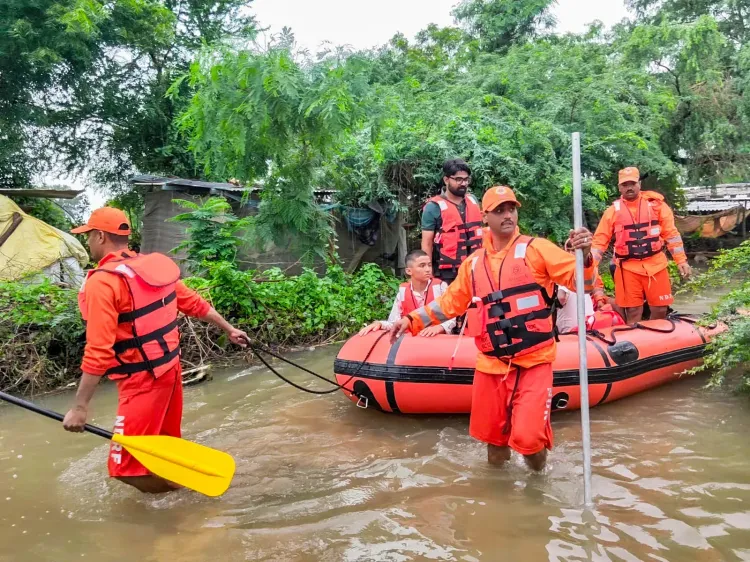
According to the Ministry of Defence, the HADR mission was launched on 23 July under the Southern Command after relentless rainfall triggered widespread flooding across parts of Gujarat and Dadra & Nagar Haveli. Relief and Rescue Columns — comprising Engineer and Medical teams — were rapidly deployed in coordination with the National Disaster Response Force (NDRF), State Disaster Response Force (SDRF), the State Emergency Operations Centre (SEOC), civil administration, and other agencies.
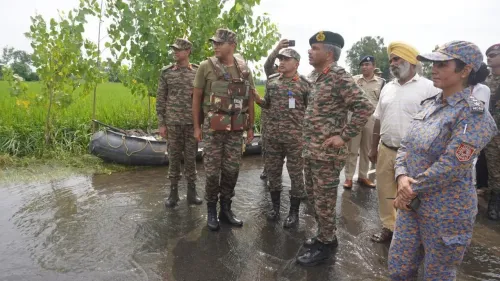
Army teams operated across Navsari, Valsad, Vapi, Silvassa, and flood-hit areas of Ahmedabad district, including Dholka and Rajoda. Additional columns were kept on standby to respond to any emerging emergencies as conditions evolved.
Rescue and Relief on the Ground
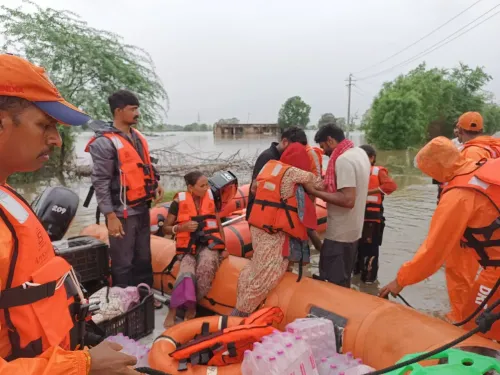
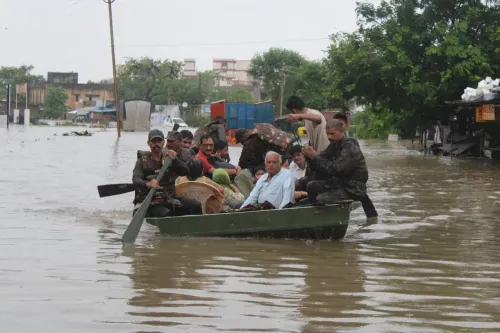
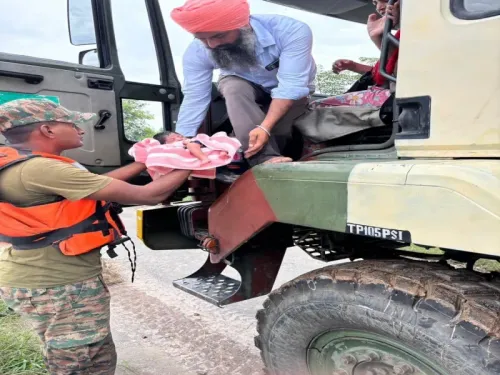
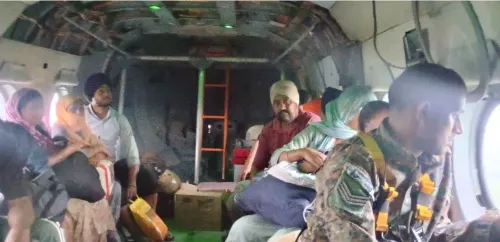
Troops conducted rescue missions in inundated and inaccessible areas, safely evacuating more than 790 civilians. Medical teams delivered immediate treatment to those requiring care, while relief personnel distributed food, drinking water, and essential supplies to affected residents. Army personnel also assisted civil authorities in restoring normal services in the impacted zones.
Notably, the operation began in Navsari on 23 July with a limited number of evacuations before additional relief columns were mobilised as flood conditions worsened across both Gujarat and Dadra & Nagar Haveli.
Multi-Agency Coordination
The Army's mission formed part of a broader multi-agency response. The Indian Coast Guard separately rescued 170 people through 11 operations in Daman, Dadra & Nagar Haveli, and South Gujarat. State authorities, the NDRF, and SDRF continued parallel rescue and relief efforts across affected districts. State authorities said thousands of people were rescued or evacuated during the flooding, which caused widespread disruption across southern and central Gujarat.
The Ministry of Defence described the operation as 'an example of coordinated military-civil cooperation developed through joint planning and preparedness,' adding that it 'underscores the Indian Army's unwavering commitment to the Nation and its people.'
Shift to Restoration Phase
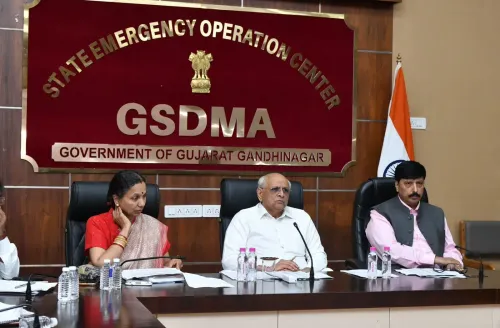
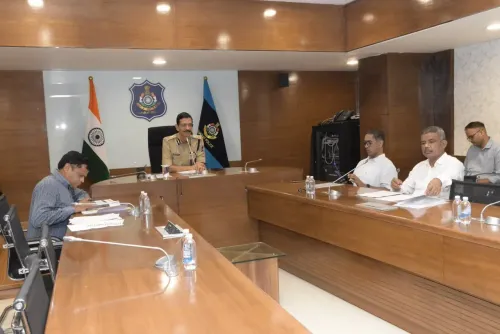
As rainfall eased across several parts of Gujarat on Sunday, the state government began transitioning from emergency rescue to restoration and rehabilitation. Officials are assessing damage, restoring transport and utility services, and supporting affected communities. Rescue teams, however, remain on standby should conditions deteriorate again. The scale of disruption across southern and central Gujarat means the rehabilitation phase is expected to extend well beyond the immediate crisis period.
Point of View
Coast Guard, NDRF, and SDRF was notable — but the scale of displacement, with thousands evacuated across southern and central Gujarat, raises questions about urban flood preparedness and drainage infrastructure in fast-growing cities like Ahmedabad. As extreme rainfall events intensify, the annual cycle of military deployment for monsoon rescue is becoming less an exception and more a structural feature of India's disaster response architecture — one that deserves a harder look from policymakers.
NationPress
26 Jul 2026
Frequently Asked Questions
How many people did the Indian Army rescue in the Gujarat floods?
The Indian Army evacuated more than 790 civilians during its three-day HADR operation across Gujarat and Dadra & Nagar Haveli, which ran from 23 July to 26 July 2025. The Indian Coast Guard separately rescued 170 people through 11 operations in Daman, Dadra & Nagar Haveli, and South Gujarat.
Which areas were covered in the Indian Army's Gujarat flood rescue operations?
Army teams operated across Navsari, Valsad, Vapi, Silvassa, and flood-affected areas of Ahmedabad district, including Dholka and Rajoda. Additional columns were kept on standby to respond to emerging emergencies across the region.
When did the Indian Army begin flood relief operations in Gujarat?
The HADR operations were launched on 23 July under the Southern Command, following incessant rainfall that triggered widespread flooding. Operations began in Navsari before additional relief columns were mobilised as conditions worsened.
Which agencies coordinated in the Gujarat flood relief effort?
The Indian Army worked in coordination with the NDRF, SDRF, the State Emergency Operations Centre, civil administration, the Indian Coast Guard, and volunteers. The Ministry of Defence described it as an example of coordinated military-civil cooperation built on joint planning and preparedness.
What is the current status of flood relief operations in Gujarat?
As of 26 July, the Indian Army has concluded its major rescue phase, with authorities now focused on restoration, rehabilitation, and damage assessment. Rescue teams remain on standby should conditions deteriorate, and the Gujarat government is working to restore transport and utility services across affected districts.