Is SIR in Bengal Making Headway with Over 99% of Enumeration Forms Digitised?
Synopsis
The digitisation of enumeration forms in West Bengal is nearly complete, revealing critical insights into the voter list. With 55 lakh excludable voters identified, including many deceased, the upcoming draft voters' list promises to clarify the electoral landscape ahead of crucial deadlines.
Key Takeaways
99% of enumeration forms digitised.
55 lakh excludable voters identified.
Draft voters' list to be published on December 16 .
Verification of deceased voters using multiple sources.
Transparency in electoral processes is vital.
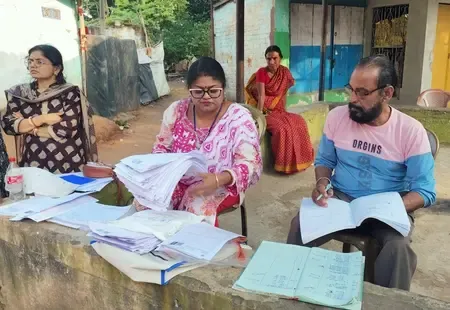
Kolkata, Dec 6 (NationPress) Nearly 99% of enumeration forms have been digitised during the Special Intensive Revision (SIR) in West Bengal, with the count of excludable voters reaching close to 55 lakh.
As per the digitisation trend recorded until Friday, the total number of voters whose names are likely to be removed from the voters' list is 54,59,541.
This figure increased from 52,99,663 reported on Thursday night, according to sources from the Chief Electoral Officer (CEO) of West Bengal.
Among the 54,59,541 identified excludable voters, 23,71,239 have been classified as deceased voters, while the remainder falls under categories such as shifted, untraceable, and duplicate voters. A small number of voters have been excluded for other reasons, as stated by the CEO's office.
Clarity on the situation will emerge following the publication of the draft voters' list on December 16.
The overall count of voters as of the list dated October 27 is 7,66,37,529. The SIR process commenced on November 4.
The draft voters' list is set to be released on December 16, with the final list expected after the completion of all necessary procedures by February 14.
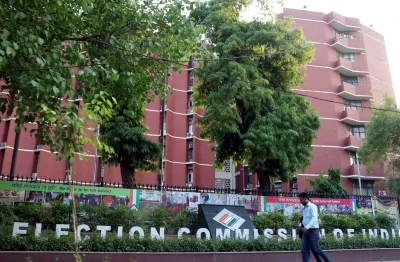
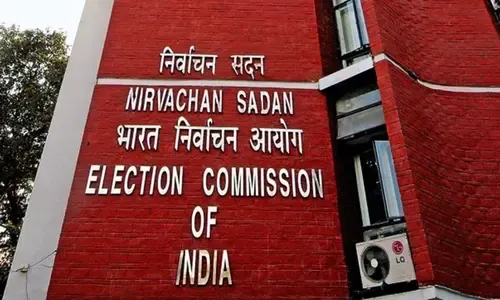
The Election Commission of India (ECI) issued new instructions to electoral officers involved in the ongoing SIR in West Bengal, focusing on preparing a distinct list of deceased voters in the state.
Electoral officers have been instructed to re-verify data on individuals already identified as deceased voters during the digitisation and mapping of the filled enumeration forms against the 2002 voter list.
The ECI outlined three sources for the data re-verification of deceased voters:
- The records of deaths registered with municipal corporations, municipalities, and panchayats throughout the state.
- Death records maintained by insurance companies and banks.
- Beneficiary lists from various state government welfare schemes, particularly those offering death benefits.
Point of View
It's pivotal to recognize the importance of accurate voter registration in shaping a fair electoral process. The digitisation efforts in West Bengal reflect a commitment to transparency and efficiency, ensuring that every eligible citizen has their voice heard. The Nation stands firmly with the pursuit of reliable electoral practices.
NationPress
20 Sept 2026
Frequently Asked Questions
What is the current status of voter enumeration forms in West Bengal?
As of now, nearly 99% of voter enumeration forms have been digitised during the Special Intensive Revision in West Bengal.
How many excludable voters have been identified?
Approximately 55 lakh excludable voters have been identified, including many deceased individuals.
When will the draft voters' list be published?
The draft voters' list is scheduled to be published on December 16 .
What categories do the excludable voters fall under?
Excludable voters include deceased individuals, as well as those who are shifted, untraceable, or duplicates.
What sources are being used for verifying deceased voters?
Verification is being conducted using records from municipal bodies, insurance companies, and state welfare schemes.