Owaisi Hits Akhilesh Over Saifai Fest During 2013 Riot Relief
Synopsis
AIMIM president Asaduddin Owaisi has accused Akhilesh Yadav of watching cultural performances at Saifai while victims of the 2013 Muzaffarnagar riots were stranded in relief camps, reigniting a defining governance controversy in Uttar Pradesh politics.
Key Takeaways
Asaduddin Owaisi posted on X on 26 October 2026 accusing Akhilesh Yadav of attending entertainment events at Saifai during the 2013 Muzaffarnagar riot relief-camp crisis.
The Muzaffarnagar riots of September 2013 displaced thousands of families — largely Muslim — into makeshift camps under the Samajwadi Party government led by Akhilesh Yadav.
The Saifai cultural festival , held around the same period, was widely criticised as a political celebration tone-deaf to the ongoing humanitarian crisis.
Owaisi's accusation is part of AIMIM's sustained effort to challenge SP's credibility as a protector of Muslim interests in Uttar Pradesh.
No official response from Samajwadi Party had emerged at the time of publication.
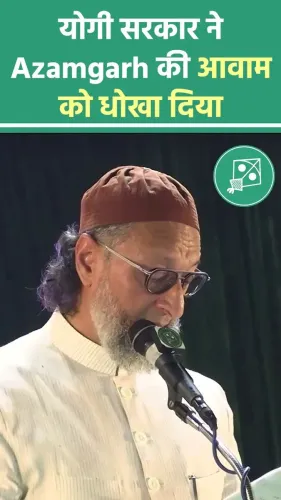
While thousands of families displaced by the 2013 Muzaffarnagar riots huddled in relief camps, AIMIM president Asaduddin Owaisi charges that then-Chief Minister Akhilesh Yadav was watching song-and-dance performances at Saifai — a pointed accusation that cuts straight to the heart of Uttar Pradesh's most contested chapter of governance failure.
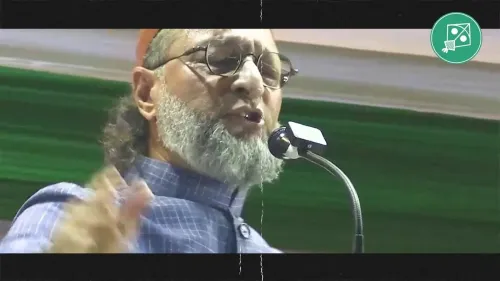
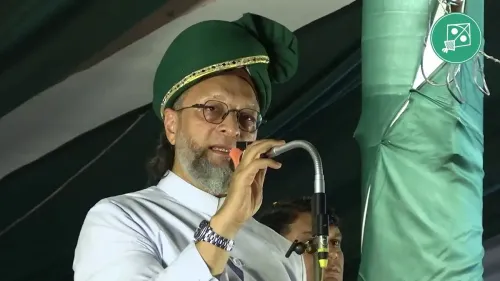
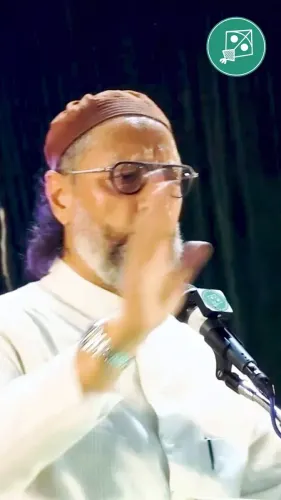
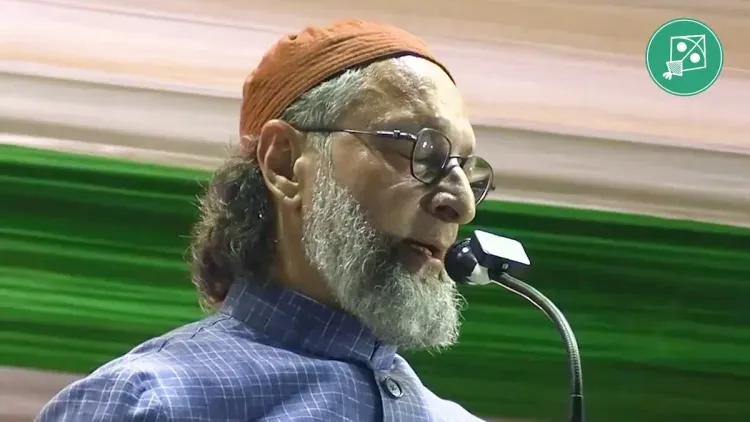
Posting on X on 26 October 2026, Owaisi wrote in Hindi: 'Jab Muzaffarnagar dangon ke hazaron peedit parivaar campon mein rehne ko majboor the, tab @yadavakhilesh Saifai mein naach-gaana dekh rahe the' — 'When thousands of riot-victim families from the Muzaffarnagar violence were forced to live in camps, Akhilesh Yadav was watching song-and-dance performances at Saifai.' The post was accompanied by a video.
The Muzaffarnagar riots and the camps that couldn't be forgotten
The communal violence that erupted in Muzaffarnagar district of Uttar Pradesh in September 2013 left a deep scar. Tens of thousands of people — overwhelmingly from Muslim communities — were displaced from their villages and forced into makeshift relief camps where they endured cold, disease, and inadequate state support for months. The riots became a defining political flashpoint, raising acute questions about the Samajwadi Party government's response speed and empathy.
At the time, Akhilesh Yadav — then Chief Minister of Uttar Pradesh — faced sustained criticism over the state machinery's pace of relief delivery. The Saifai angle sharpened that criticism: the Yadav family's home village of Saifai in Etawah district was, in the same period, hosting a high-profile cultural festival featuring performances by Bollywood celebrities, widely seen as a celebration of SP's political standing.
Owaisi's recurring challenge to SP's minority credentials
Owaisi and AIMIM have long contested the Samajwadi Party's claim to be the primary political voice for Uttar Pradesh's Muslim voters. The Hyderabad MP regularly invokes the 2013 Muzaffarnagar riots as evidence that SP governance failed the very community it claims to protect — and each recall of that moment is also a bid to peel away SP's Muslim vote base in a state that sends 80 members to the Lok Sabha.
The contrast Owaisi draws — relief-camp victims on one side, a cultural festival at Saifai on the other — is a rhetorical device with real political mileage. It is vivid, visual, and emotionally immediate. Whether it shifts votes depends on whether SP can credibly rebut it or whether the image of those camps remains potent enough to override years of subsequent political realignment.
What Samajwadi Party may say next
As of publication, no official response from Samajwadi Party spokespersons had emerged. Historically, the party has defended Akhilesh Yadav's record by pointing to eventual relief measures and convictions in riot cases, while arguing that AIMIM's provocations serve to divide secular votes and benefit the BJP. Whether that counter-narrative holds in an increasingly competitive Uttar Pradesh political landscape remains the question Owaisi is betting the answer to.
For thousands of families who spent those winter months of 2013 in canvas camps, the argument is not abstract — and Owaisi knows that. That is precisely why he keeps returning to it.
Point of View
Emotionally charged contrast — relief-camp victims versus a celebrity-studded festival — he keeps a 2013 wound open in 2026 electoral discourse. The timing, outside any obvious election cycle, suggests a deliberate effort to shape the baseline narrative before campaign season rather than react to one. SP's silence, if prolonged, risks letting the image calcify; a counter-narrative that merely rehearses old defences may no longer be sufficient.
NationPress
26 Oct 2026
Frequently Asked Questions
What did Owaisi say about Akhilesh Yadav and the Muzaffarnagar riots?
Owaisi accused Akhilesh Yadav of watching song-and-dance performances at Saifai while thousands of families displaced by the 2013 Muzaffarnagar riots were forced to live in relief camps.
What were the 2013 Muzaffarnagar riots?
The Muzaffarnagar riots were communal clashes in Uttar Pradesh in September 2013 that displaced tens of thousands of people, mostly from Muslim communities, into makeshift relief camps for several months.
What is the Saifai festival controversy?
The Saifai cultural festival, hosted in the Yadav family's home village of Saifai in Etawah, was held around the same period as the Muzaffarnagar riot relief camps and featured Bollywood performances, drawing criticism as politically insensitive to the ongoing humanitarian crisis.
Why does Owaisi keep criticising Akhilesh Yadav over 2013?
AIMIM regularly invokes the 2013 Muzaffarnagar riots to challenge the Samajwadi Party's claim to represent Muslim interests in Uttar Pradesh, arguing that SP's governance failed riot victims when it mattered most.
Has the Samajwadi Party responded to Owaisi's Saifai accusation?
No official response from Samajwadi Party had been reported at the time of publication; the party has historically defended Akhilesh Yadav's record by pointing to relief measures taken and riot convictions.