Owaisi Slams ONGC's ₹668 Cr Donations to RSS-Linked Bodies
Synopsis
AIMIM president Asaduddin Owaisi has alleged that ONGC donated over ₹668 crore to 20 RSS-linked bodies over a decade, calling it a misuse of public money and citing the RSS's two historical bans and pledges to stay out of politics.
Key Takeaways
AIMIM president Asaduddin Owaisi alleged on 19 July 2026 that ONGC donated over ₹668 crore to 20 Sangh-linked organisations over 10 years .
The post was a direct response to PM Modi reportedly calling the RSS 'the world's largest NGO.' The RSS was banned twice — in 1948 after Gandhi's assassination and during the 1975–77 Emergency — and gave undertakings both times to avoid political activity.
PSU donations to voluntary organisations are governed by Companies Act, 2013 CSR provisions and are subject to parliamentary scrutiny.
Opposition parties and civil society groups have previously questioned the flow of public-enterprise funds to ideologically aligned bodies.
The controversy may trigger fresh RTI filings , parliamentary questions , and calls for CAG scrutiny of ONGC's CSR spending.
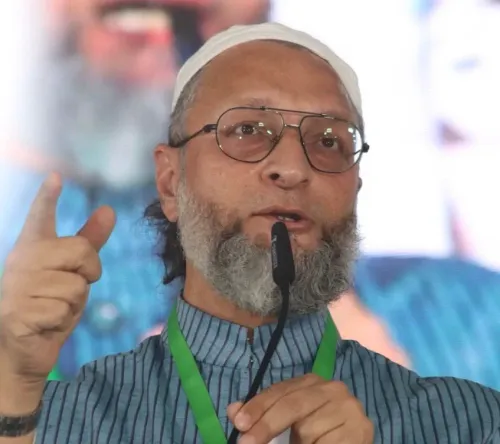
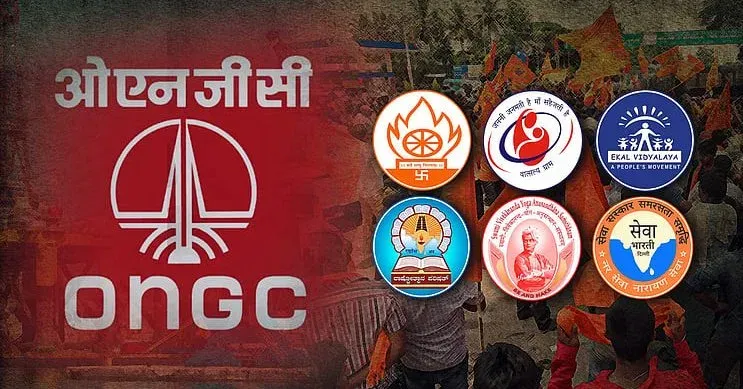
AIMIM president Asaduddin Owaisi on Sunday, 19 July 2026, sharply criticised Prime Minister Narendra Modi and the Rashtriya Swayamsevak Sangh (RSS), alleging that state-owned Oil and Natural Gas Corporation (ONGC) had donated over ₹668 crore of public money to 20 Sangh-linked organisations over a decade — even as the RSS describes itself as a purely cultural body.
Context
Owaisi's post was prompted by remarks attributed to Prime Minister Modi, who reportedly called the RSS 'the world's largest NGO.' The Hyderabad MP pushed back sharply, writing: 'But this NGO which claims to be a cultural organisation has received over ₹668 crore of your money.' He added that the RSS 'was banned twice, and had given undertakings that it'll avoid politics,' calling the donations 'shameful.'
The allegation centres on ONGC, a central government public sector undertaking and one of India's largest companies by revenue. Corporate donations by PSUs to voluntary organisations fall under scrutiny because such companies are ultimately accountable to the public exchequer.
Policy Backdrop
The RSS was founded in 1925 and has historically described itself as a cultural and social-service organisation. It was banned twice by the Indian government — first in 1948 following the assassination of Mahatma Gandhi, and again during the 1975–1977 Emergency imposed by Indira Gandhi. On both occasions, the organisation provided formal undertakings to refrain from political activity before the bans were lifted.
Under the Companies Act, 2013, public sector undertakings are required to spend a portion of profits on Corporate Social Responsibility (CSR) activities. Critics argue that channelling such funds to organisations ideologically aligned with the ruling dispensation blurs the line between state resources and political patronage. Opposition parties have periodically raised this issue through parliamentary questions and Right to Information (RTI) filings.
Stakeholders and Impact
Indian taxpayers, as the ultimate owners of public sector enterprises, are the primary stakeholders in any debate over PSU donation practices. If the figures cited by Owaisi are borne out by official records, they would represent a significant allocation of public-enterprise funds to a single ideological ecosystem over ten years.
For the RSS and its affiliated organisations, the controversy raises questions about the consistency between their self-description as a non-political cultural body and their receipt of funds from state-controlled companies. For the BJP-led government, the charge feeds a broader opposition narrative about the use of institutional machinery to benefit aligned organisations. AIMIM and other opposition voices have long argued that such funding patterns undermine the constitutional principle of state neutrality.
What's Next
Owaisi's post is likely to intensify demands for a detailed parliamentary audit of PSU donations to voluntary organisations, particularly those with ideological affiliations. CAG observations and RTI disclosures on ONGC's CSR spending could become focal points in the next session of Parliament. If opposition parties formally table the issue, the government will face pressure to either defend the donations on CSR merit or tighten guidelines on permissible beneficiaries of PSU funds. The episode underscores a recurring fault line in Indian democracy: the contested boundary between state resources, corporate philanthropy, and organised ideological movements.
Point of View
Large monetary figure that taxpayers can feel. The RSS's dual history of government bans and self-description as a non-political body has always been its most exploitable contradiction for critics, and the alleged ONGC funding figure sharpens that argument considerably. If verified through official records, ₹668 crore in PSU donations to affiliated bodies over a decade would represent a systemic pattern rather than isolated charity, lending weight to opposition demands for statutory guardrails on CSR beneficiaries. The episode fits a broader arc in which control over public institutions — their funds, their appointments, their cultural output — has become the central battleground of Indian electoral politics.
NationPress
20 Jul 2026
Frequently Asked Questions
How much did ONGC allegedly donate to RSS-linked organisations?
According to Asaduddin Owaisi's post on 19 July 2026, ONGC donated over ₹668 crore to 20 Sangh-linked organisations over a period of 10 years. The figure has not been independently verified by NationPress.
Why was the RSS banned, and how many times?
The RSS was banned twice: first in 1948 following the assassination of Mahatma Gandhi, and again during the 1975–1977 Emergency declared by Indira Gandhi. On both occasions, the organisation gave formal undertakings to refrain from political activity before the bans were lifted.
Can Indian PSUs like ONGC donate to NGOs or voluntary organisations?
Yes, under the Companies Act, 2013, public sector undertakings are mandated to spend a share of profits on CSR activities, which can include donations to eligible organisations. However, such spending is subject to regulatory guidelines, board approval, and parliamentary accountability.
What did PM Modi say about the RSS that Owaisi responded to?
Owaisi's post references Modi reportedly calling the RSS 'the world's largest NGO.' NationPress has not independently verified the exact context or occasion of that remark.
What action could follow Owaisi's allegations about ONGC and RSS funding?
The allegations could prompt RTI filings, parliamentary questions in the next session, and demands for a CAG audit of ONGC's CSR expenditure to verify the donation figures and their compliance with statutory guidelines.