CR Paatil Congratulates 4 BJP Winners in Gujarat Rajya Sabha Polls
Synopsis
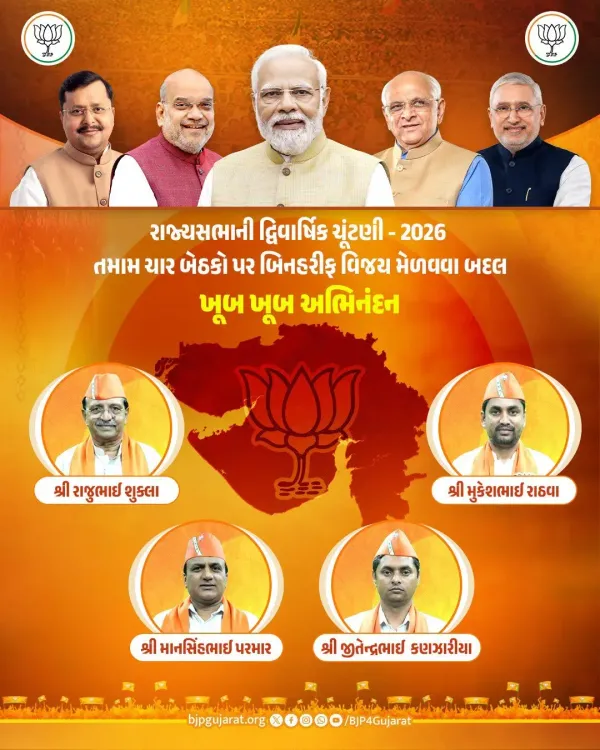
Union Jal Shakti Minister C. R. Paatil congratulated four BJP candidates — Rajubhai Shukla, Mukeshbhai Rathwa, Mansinghbhai Parmar, and Jitendrabhai Kanzariya — on winning all four Gujarat Rajya Sabha seats uncontested in the 2026 biennial elections, crediting PM Modi's leadership for the party's continued dominance in the state.
Key Takeaways
All four Gujarat Rajya Sabha seats in the 2026 biennial election were won uncontested by BJP candidates.
The four winners are Rajubhai Shukla, Mukeshbhai Rathwa, Mansinghbhai Parmar, and Jitendrabhai Kanzariya .
Paatil publicly congratulated the winners and credited PM Narendra Modi's leadership for the outcome.
The BJP has governed Gujarat continuously since 1995 , and its 2022 assembly majority underpins its dominance in Rajya Sabha elections from the state.
The newly elected members will serve six-year terms in the Rajya Sabha, strengthening the ruling coalition's numbers in the upper house.
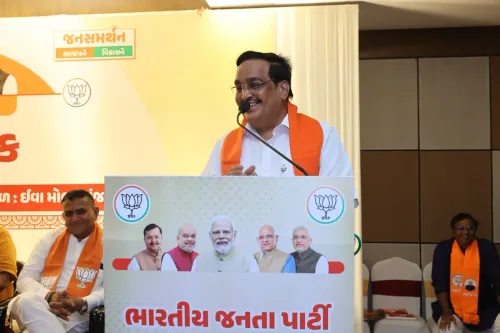
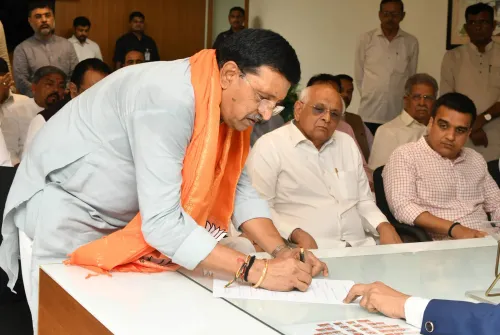
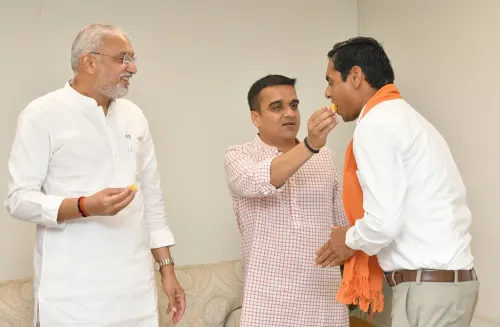
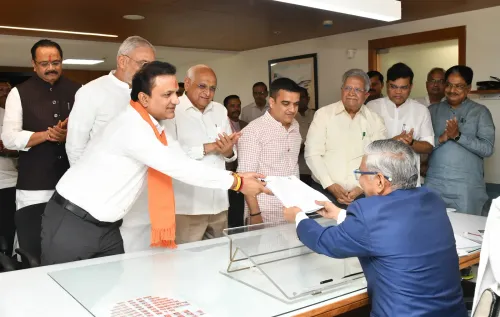
Union Jal Shakti Minister C. R. Paatil on Thursday, June 11, 2026, congratulated four Bharatiya Janata Party candidates who won uncontested in the Rajya Sabha biennial elections 2026 from Gujarat, hailing the sweep as a reflection of the party's continued dominance in the state. The four winners — Rajubhai Shukla, Mukeshbhai Rathwa, Mansinghbhai Parmar, and Jitendrabhai Kanzariya — were declared elected without a contest across all four seats.
Context
Paatil, writing in Gujarati, extended what he called 'hardik abhinandan' (heartfelt congratulations) to the four newly elected members. He expressed confidence that, under the guidance of Prime Minister Narendra Modi, the winners would carry the interests of the nation and Gujarat's development to new heights in Parliament. The post was accompanied by a floral emoji and hashtags including #VictoryOfDevelopment and #TeamBJP.
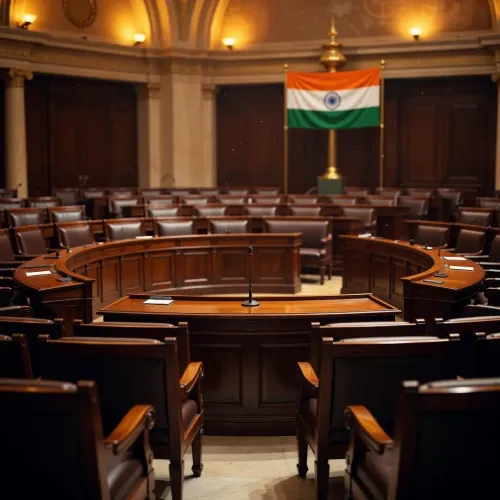
Rajya Sabha members from Gujarat are elected indirectly by the state's legislative assembly for six-year terms. A party commanding a decisive majority in the assembly can field candidates who face little to no opposition, making uncontested victories a direct function of legislative strength.
Policy Backdrop
The BJP has governed Gujarat continuously since 1995, and its commanding performance in the 2022 Gujarat Legislative Assembly elections cemented its grip over the state's Rajya Sabha delegation. Large assembly majorities routinely translate into unopposed victories in indirect upper-house elections, a pattern that has repeated across multiple biennial cycles in Gujarat. The state sends 11 members to the Rajya Sabha in staggered biennial cycles.
Paatil himself served as Gujarat BJP state president before taking charge as Union Minister of Jal Shakti, giving him a central role in the party's organisational machinery in the state. His public congratulations signal the party's framing of the wins as a mandate for the development agenda championed by the Modi government.
Stakeholders and Impact
The four newly elected members will represent Gujarat in the Rajya Sabha for the next six years, participating in the passage of legislation, scrutiny of executive action, and debates on national policy. Their uncontested election underlines that the opposition was unable to field candidates with a realistic chance of victory, given the current composition of the Gujarat Legislative Assembly.
For the broader BJP organisation, the clean sweep reinforces the party's narrative of electoral invincibility in its home state — a narrative that carries symbolic weight ahead of future electoral cycles. Gujarat has long been projected by the party as a 'model state' for governance and development.
What's Next
The newly elected members are expected to take their seats when the Rajya Sabha convenes for the 2026-27 parliamentary sessions, where their voting strength will further consolidate the ruling coalition's numbers in the upper house. Observers will watch whether the fresh Gujarat contingent takes on visible roles in committees dealing with infrastructure, water resources, or social welfare — areas central to the BJP's Gujarat development pitch. The next biennial cycle of Rajya Sabha elections will again test the party's assembly-level strength in Gujarat and other key states.
Point of View
Reinforcing his continued influence over the state unit. The clean sweep also adds to the BJP's Rajya Sabha tally at a time when the ruling coalition seeks to ease the passage of legislation in the upper house. Longer term, it signals that Gujarat remains the BJP's most reliable electoral fortress, insulating the party's parliamentary arithmetic from state-level fluctuations elsewhere.
NationPress
20 Sept 2026
Frequently Asked Questions
Who won the Gujarat Rajya Sabha biennial election 2026?
The four BJP candidates elected uncontested from Gujarat in the 2026 Rajya Sabha biennial election are Rajubhai Shukla, Mukeshbhai Rathwa, Mansinghbhai Parmar, and Jitendrabhai Kanzariya.
Why did BJP win all Rajya Sabha seats in Gujarat uncontested?
The BJP holds a commanding majority in the Gujarat Legislative Assembly following the 2022 state elections, which left the opposition without enough votes to elect its own candidates, making uncontested BJP victories the expected outcome.
What did CR Paatil say about the Gujarat Rajya Sabha results?
C. R. Paatil congratulated all four winners and expressed confidence that, under PM Narendra Modi's guidance, they would take Gujarat's development and national interest to new heights in Parliament.
How are Rajya Sabha members elected from Gujarat?
Rajya Sabha members from Gujarat are elected indirectly by members of the Gujarat Legislative Assembly through a system of proportional representation with a single transferable vote, in biennial cycles.
How many Rajya Sabha seats does Gujarat have?
Gujarat has 11 seats in the Rajya Sabha, elected in staggered biennial cycles rather than all at once.