CM Bhupendra Patel Congratulates 4 BJP Winners in Gujarat Rajya Sabha Polls
Synopsis
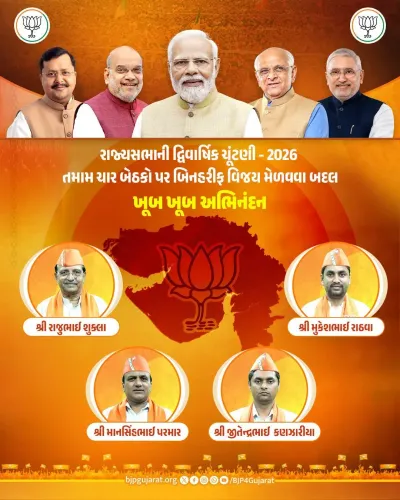
Gujarat CM Bhupendra Patel congratulated four BJP candidates — Rajubhai Shukla, Mukeshbhai Rathwa, Mansinghbhai Parmar, and Jitendrabhai Kanzariya — who were elected unopposed to all four Rajya Sabha seats from Gujarat in the 2026 biennial elections, extending the party's unbroken dominance in the state's upper-house representation.
Key Takeaways
All four Gujarat Rajya Sabha seats in the 2026 biennial election were won unopposed by BJP candidates.
The four winners are Rajubhai Shukla, Mukeshbhai Rathwa, Mansinghbhai Parmar, and Jitendrabhai Kanzariya .
CM Bhupendra Patel publicly congratulated the candidates on 11 June 2026 via X.
The BJP's 156-of-182 seat majority in the Gujarat assembly after December 2022 made an opposition challenge numerically impossible.
The clean sweep continues a pattern of BJP dominance in Gujarat's Rajya Sabha nominations stretching back to the late 1990s.
The new members will be watched for their legislative record once the Rajya Sabha session resumes.
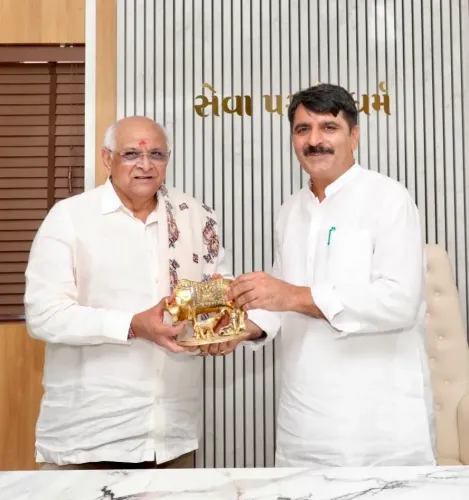
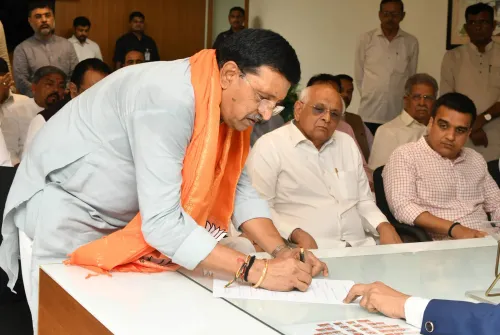
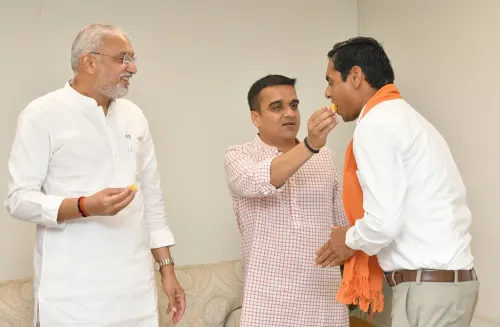
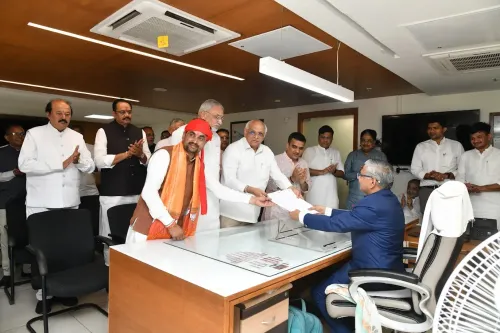
Gujarat Chief Minister Bhupendra Patel on Thursday, 11 June 2026 congratulated four Bharatiya Janata Party candidates who were elected unopposed to the Rajya Sabha from Gujarat in the biennial elections, hailing their victory as a mandate to carry the state and nation to new heights of development.
Context
Posting in Gujarati on X, CM Patel extended 'heartfelt congratulations' (હાર્દિક અભિનંદન) to the four winning candidates: Rajubhai Shukla, Mukeshbhai Rathwa, Mansinghbhai Parmar, and Jitendrabhai Kanzariya. All four were returned unopposed, sweeping every Gujarat seat on offer in the biennial round. The Chief Minister expressed the wish that they would use 'their knowledge and experience' (જ્ઞાન અને અનુભવ) to contribute meaningfully to Gujarat and India's progress.
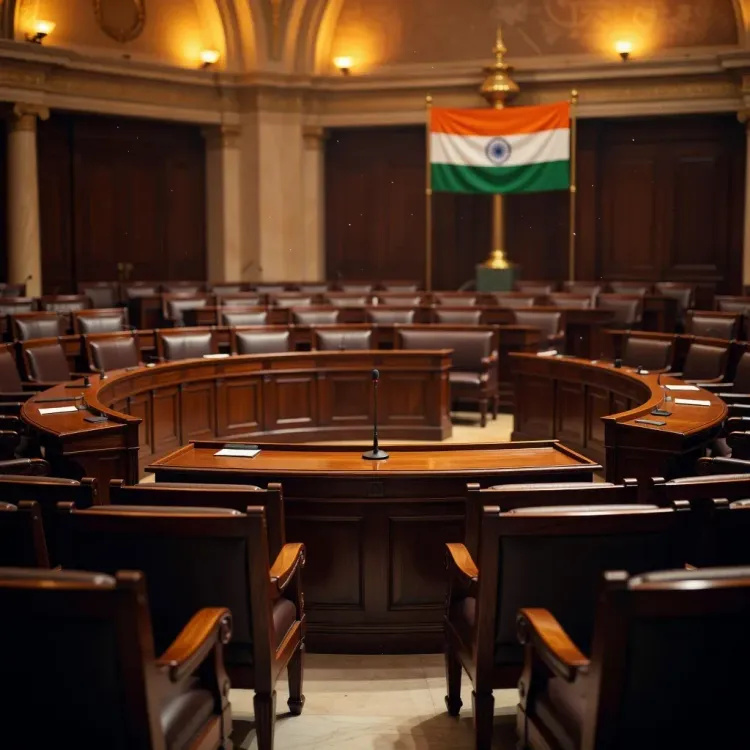
Unopposed returns in Rajya Sabha biennial elections are a direct consequence of assembly arithmetic. Members of the Rajya Sabha are elected by state legislative assemblies for six-year terms, meaning the party that commands the assembly floor controls the outcome.
Policy Backdrop
The BJP won 156 of 182 seats in the December 2022 Gujarat Legislative Assembly elections — its largest-ever majority in the state. That commanding tally left the opposition with no numerical path to contest, let alone win, any of the four seats allocated to Gujarat in this biennial cycle.
The party's dominance in Gujarat's Rajya Sabha nominations is not new. Since the late 1990s, the BJP has held an unbroken grip on the state government, and uncontested upper-house victories have become a recurring feature of Gujarat's electoral calendar. The 2026 biennial round continues that long-established pattern.
Stakeholders and Impact
The four newly elected members will join the Rajya Sabha — India's upper house of Parliament — where the BJP-led National Democratic Alliance seeks to strengthen its legislative position. Their entry adds to the party's headcount in a chamber where coalition management and floor arithmetic shape the passage of key legislation.
For Gujarat, the clean sweep means the state's upper-house representation remains entirely within the ruling party's fold, ensuring alignment between the state government's priorities and its parliamentary voice. Constituencies and communities represented by each of the four members — including those from Scheduled Tribe and Other Backward Class backgrounds, reflecting the diversity of BJP's Gujarat nominee list — will watch how their representatives translate local concerns into national legislative action.
What's Next
The legislative record of Shukla, Rathwa, Parmar, and Kanzariya once the Rajya Sabha session resumes will be the first real test of the mandate CM Patel has publicly articulated for them. Parliamentary committees, question hour participation, and private member bills will be early indicators of their legislative priorities.
Analysts will also track whether the BJP's uncontested Gujarat sweep influences strategy in other BJP-ruled states where biennial or by-elections are due. A clean upper-house consolidation in a flagship state like Gujarat typically emboldens the party's national Rajya Sabha management ahead of significant legislative business.
Point of View
The public congratulatory post serves a dual purpose: acknowledging the winners while signalling to the national party that Gujarat remains a reliable upper-house feeder state. In the broader arc of BJP's Rajya Sabha strategy, consolidating state-level dominance translates into legislative firepower at the centre, particularly as the government eyes key bills that require upper-house passage. The choice of four candidates likely reflects a calibrated balance of community representation — a standard BJP practice in Gujarat aimed at sustaining its cross-caste coalition ahead of future assembly cycles.
NationPress
22 Sept 2026
Frequently Asked Questions
Who won the Gujarat Rajya Sabha seats in the 2026 biennial election?
The four BJP candidates elected unopposed from Gujarat are Rajubhai Shukla, Mukeshbhai Rathwa, Mansinghbhai Parmar, and Jitendrabhai Kanzariya.
Why were the Gujarat Rajya Sabha candidates elected unopposed?
The BJP holds 156 of 182 seats in the Gujarat Legislative Assembly, giving it more than enough votes to fill all four seats without any opposition candidate having a viable chance of winning.
How are Rajya Sabha members elected in India?
Rajya Sabha members are elected by the elected members of state legislative assemblies through proportional representation using a single transferable vote system, for six-year terms.
What did Gujarat CM Bhupendra Patel say about the Rajya Sabha election results?
CM Patel extended heartfelt congratulations to all four winners and expressed the wish that they use their knowledge and experience to take Gujarat and the country to new heights of development.
How many Rajya Sabha seats does Gujarat have?
Gujarat has 11 Rajya Sabha seats in total; the number that come up for election in any given biennial cycle depends on whose six-year terms are expiring that year.