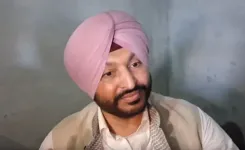
Jal Shakti Minister Paatil Hails India-US Ties, Modi's Global Standing
Synopsis
Union Jal Shakti Minister C. R. Paatil on 18 June 2026 highlighted the India-US partnership as grounded in shared democratic values and mutual trust, noting that President Trump's positive words for PM Modi reflect India's growing global stature. India, he said, remains committed to strengthening global partnerships through dialogue and cooperation.
Key Takeaways
Paatil , Union Jal Shakti Minister and senior BJP leader, posted on 18 June 2026 affirming the strength of India-US bilateral ties.
He described the relationship as built on shared democratic values, mutual trust, and global cooperation .
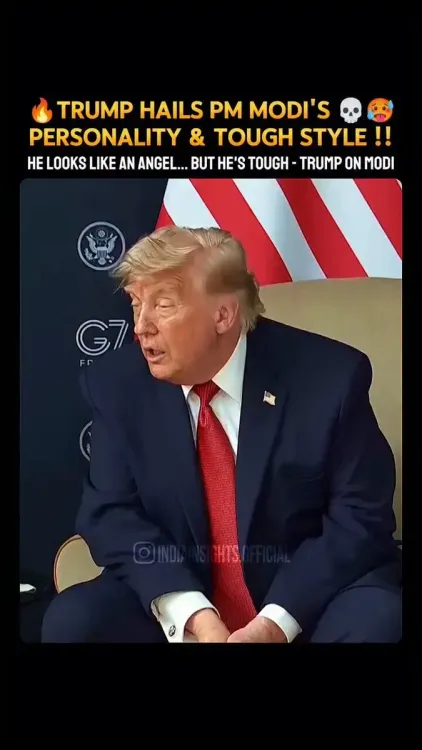
Paatil cited US President Donald Trump's positive remarks towards PM Narendra Modi as evidence of India's rising global prestige.
India's foreign policy posture, he stated, is anchored in dialogue, cooperation, and mutual respect .
The post reflects the BJP's consistent emphasis on personal leadership diplomacy as a driver of India's international standing.
Key bilateral milestones include the 2008 Civil Nuclear Agreement and the 2020 BECA defence pact .
Union Jal Shakti Minister C. R. Paatil on Thursday, 18 June 2026, praised the India-United States relationship, calling it rooted in shared democratic values, mutual trust, and global cooperation, while highlighting the positive words expressed by US President Donald Trump towards Prime Minister Narendra Modi as a reflection of India's rising international stature.
Context
Posting in Hindi on X, Minister Paatil wrote that the India-US relationship is built on 'साझा लोकतांत्रिक मूल्यों, आपसी विश्वास और वैश्विक सहयोग की मजबूत नींव' ('the strong foundation of shared democratic values, mutual trust, and global cooperation'). He noted that positive remarks by President Trump towards Prime Minister Modi also reflect India's growing global prestige. The minister added that India remains committed to strengthening global partnerships on the basis of dialogue, cooperation, and mutual respect.
The post comes amid ongoing diplomatic engagement between New Delhi and Washington and reflects the BJP government's consistent framing of the India-US relationship as one anchored in personal leadership diplomacy and democratic solidarity.
Policy Backdrop
India and the United States have deepened ties across multiple domains over the past two decades. The landmark India-US Civil Nuclear Agreement of 2008 ended years of nuclear isolation and laid the groundwork for broader strategic partnership. Subsequent milestones, including the Basic Exchange and Cooperation Agreement (BECA) of 2020, enabled real-time geospatial intelligence sharing, further cementing defence cooperation between the two nations.
The personal rapport between Prime Minister Modi and President Trump has been a recurring theme in bilateral optics. The 'Howdy Modi' event in Houston in 2019 drew tens of thousands of Indian-Americans and was attended by President Trump, symbolising the convergence of political goodwill and diaspora diplomacy. India's broader foreign policy posture of multi-alignment — maintaining strategic autonomy while building partnerships with major powers — has consistently placed the United States as a key pillar.
Stakeholders and Impact
The Indian diaspora in the United States, estimated at over 4 million, serves as a significant bridge between the two democracies, and statements affirming bilateral warmth carry resonance within that community. Defence and technology industries on both sides also have a direct stake in the health of the relationship, given growing cooperation in areas such as semiconductor supply chains and advanced military hardware.
For the BJP, framing India's global rise through the lens of Prime Minister Modi's personal stature has been a consistent domestic political narrative. Senior party leaders, including cabinet ministers, routinely amplify signals of international recognition to reinforce this message at home.
What's Next
Attention will now turn to any forthcoming bilateral summit or joint statement between the two governments, particularly on trade, technology, and Indo-Pacific security. As both nations navigate a complex global environment, the next high-level interaction between Prime Minister Modi and President Trump will be closely watched for concrete deliverables that translate diplomatic warmth into policy outcomes.
Point of View
The statement serves a dual purpose: reinforcing the government's 'Vishwaguru' narrative at home while signalling continuity in the India-US relationship to external audiences. The timing suggests the party is keen to keep the bilateral warmth in the public eye ahead of any potential high-level engagement. It also underscores how cabinet ministers, even those with domestic portfolios like water resources, are deployed as amplifiers of the government's foreign-policy messaging.
NationPress
18 Sept 2026
Frequently Asked Questions
What did C. R. Paatil say about India-US relations?
Minister C. R. Paatil said on 18 June 2026 that India-US relations are built on shared democratic values, mutual trust, and global cooperation, and that President Trump's positive words for PM Modi reflect India's growing global prestige.
Why did Jal Shakti Minister comment on foreign policy?
Senior BJP cabinet ministers routinely amplify the government's foreign-policy narrative on social media; Paatil's post reflects the party's broader messaging strategy around PM Modi's international stature.
What is the history of India-US relations under Modi and Trump?
Key milestones include the 2008 Civil Nuclear Agreement, the 2019 'Howdy Modi' event in Houston, and the 2020 BECA defence pact enabling geospatial intelligence sharing between the two countries.
What does BECA mean for India-US defence ties?
The Basic Exchange and Cooperation Agreement (BECA), signed in 2020, allows India and the US to share real-time geospatial intelligence, significantly deepening defence and strategic cooperation.
What is India's foreign policy stance towards the United States?
India pursues a multi-alignment strategy, maintaining strategic autonomy while treating the United States as a key partner in defence, technology, and Indo-Pacific security.