Paatil Hands Ex-Gratia Cheques to Ganadeva Electrocution Victims' Families
Synopsis
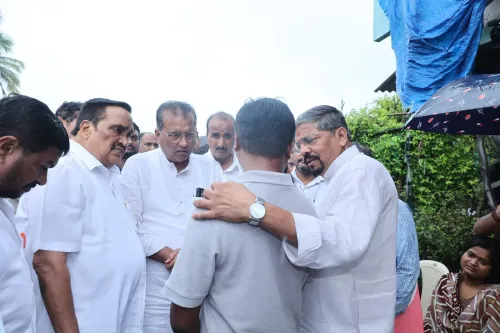
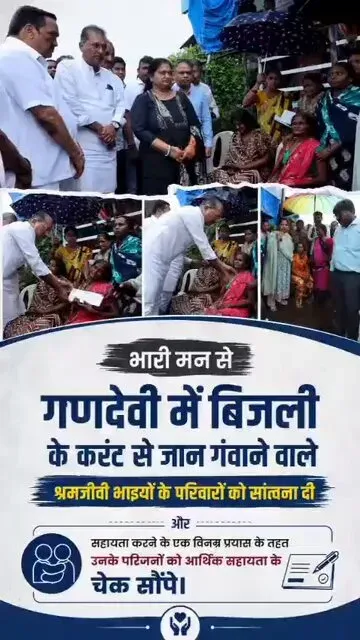
Union Jal Shakti Minister C. R. Paatil visited Ganadeva to condole families of labourers killed in an electrocution tragedy and handed them financial assistance cheques, sharing a glimpse of the moment on X on 2 August 2026.
Key Takeaways
Paatil , Union Minister of Jal Shakti and senior BJP leader, personally visited Ganadeva to meet families of electrocution victims.
The minister handed over financial assistance cheques as immediate ex-gratia relief to bereaved family members.
The victims were described as labouring workers ( shramjivi bhaio ) who died in an electrical accident at Ganadeva.
The visit follows a standard state-response convention for workplace fatalities involving contract or migrant labour in India.
A formal inquiry into the electrical accident and any additional state compensation remain to be confirmed by official channels.
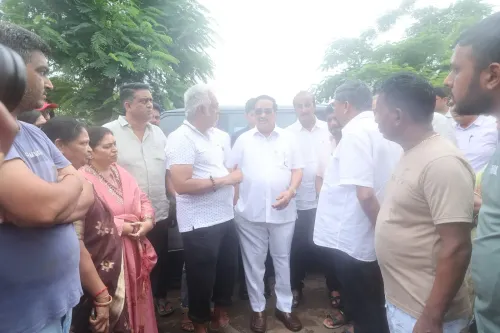
When electricity meant to power lives takes them instead, the least the state can do is show up. Union Jal Shakti Minister C. R. Paatil did exactly that, visiting the families of labourers who lost their lives in an electrocution tragedy at Ganadeva, offering condolences and personally handing over financial assistance cheques to the bereaved households.
Sharing a glimpse of the moment on X on Sunday, 2 August 2026, Paatil wrote in Gujarati: 'ગણદેવા ખાતે વીજકરંટની દુર્ઘટનામાં જીવ ગુમાવનાર શ્રમજીવી ભાઈઓના પરિવારોને સાંત્વના પાઠવી...' — describing the visit as 'a humble attempt to console and stand by the families of the working brothers who lost their lives in the electrical accident at Ganadeva, and a glimpse of the moment when financial assistance cheques were offered to their family members.'
A Minister at the Doorstep of Grief
The visit follows a well-established convention in Indian public life: when workplace accidents — particularly those involving contract or migrant labour in electrical or construction work — claim lives, senior political figures arrive with both condolences and ex-gratia cheques as immediate relief. The gesture does not replace statutory compensation, but it signals state acknowledgement at a moment when families are most vulnerable.
Paatil, a senior BJP leader and former Gujarat state BJP president, has deep political roots in the state and has historically maintained close engagement with constituents in Navsari and the surrounding South Gujarat belt — the region where Ganadeva is located. The personal handover of cheques, rather than a bureaucratic transfer, carries the weight of direct accountability.
What the Families Received — and What Comes Next
The financial assistance handed over represents immediate ex-gratia relief. Whether a formal inquiry into the cause of the electrocution has been ordered, and whether the Gujarat state government will announce additional compensation under labour welfare statutes, remains to be confirmed by official channels. Accidents involving electrical hazards at worksites often trigger parallel processes — a site-safety review, an electrical department probe, and statutory payouts under the Employees' Compensation Act.
The families of the labourers — described by Paatil as 'શ્રમજીવી ભાઈઓ' ('working brothers') — now wait to see whether the assistance cheques mark the beginning of a fuller accountability process, or its end.
Point of View
Particularly ahead of any electoral cycle. While the gesture is humanitarian in form, it also reinforces the party's 'accessible leader' political brand in South Gujarat, a region Paatil has long cultivated. The deeper policy question — whether India's electrical safety enforcement and worksite liability frameworks adequately protect contract labourers — remains structurally unaddressed by such visits. The real test will be whether a formal inquiry and statutory compensation follow.
NationPress
2 Aug 2026
Frequently Asked Questions
What happened at Ganadeva that CR Paatil visited?
An electrocution accident at Ganadeva claimed the lives of several labourers. Union Minister C. R. Paatil visited the victims' families to offer condolences and hand over financial assistance cheques as immediate relief.
What is ex-gratia compensation in accident cases in India?
Ex-gratia compensation is an immediate, goodwill payment made by the government or a minister to accident victims' families. It is separate from statutory compensation payable under laws like the Employees' Compensation Act and does not imply admission of legal liability.
Where is Ganadeva located?
Ganadeva is a town in the Navsari district of South Gujarat, a region where C. R. Paatil has had strong political presence over the years.
Will there be an inquiry into the Ganadeva electrical accident?
No formal inquiry has been confirmed in available information. Electrical worksite accidents in India typically trigger probes by the state electrical inspectorate and may lead to additional compensation under labour welfare statutes, but official announcements are awaited.