Jal Shakti Minister Paatil meets Surat Bihu dancers after Somnath Swabhiman Parva
Synopsis
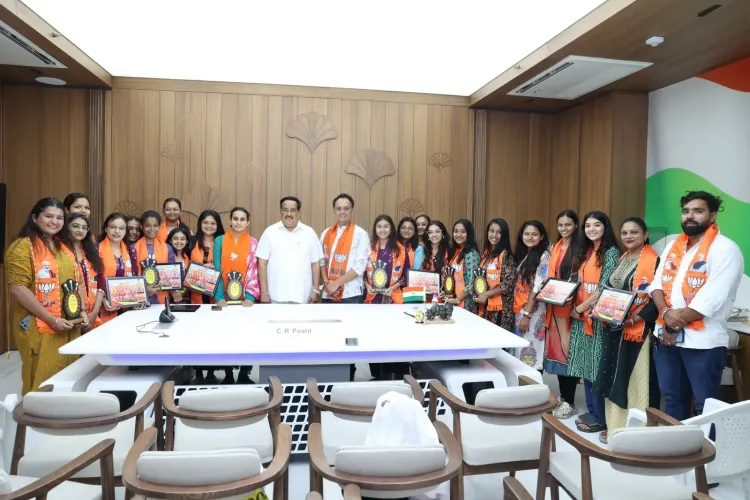
Union Jal Shakti Minister C. R. Paatil on 24 May 2026 met artists of Surat's Lasy Kalavrund troupe who performed Bihu dance before PM Modi at Swabhiman Parva 2026 in Somnath, congratulating the performers and dance guru Chintanbhai Vashi.
Key Takeaways
Union Jal Shakti Minister C.
Paatil received a courtesy visit from Lasy Kalavrund artists in Surat on 24 May 2026 .
The troupe had performed Bihu dance at Swabhiman Parva 2026 held at Somnath in the presence of Prime Minister Narendra Modi .
Paatil publicly congratulated all the performing artists and their dance guru Chintanbhai Vashi .
The event reflects the central government's ongoing push for inter-state cultural exchanges at major Gujarat heritage venues since 2014 .
A Surat -based troupe performing Assamese Bihu at Somnath highlights the multi-regional character of the festival.
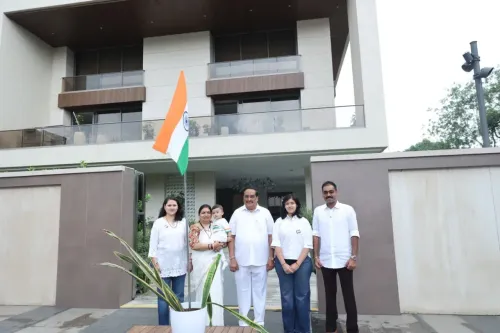
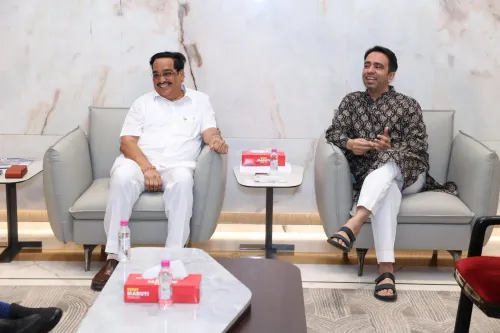
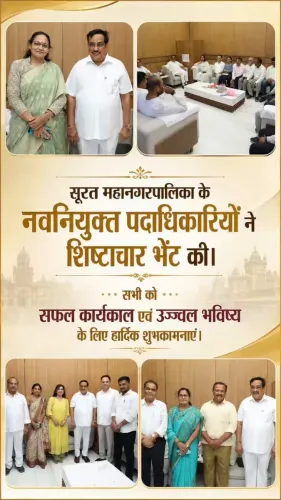
Union Jal Shakti Minister C. R. Paatil on Sunday, 24 May 2026, received a courtesy visit in Surat from artists of the Lasy Kalavrund troupe who had performed Bihu dance at the Swabhiman Parva 2026 cultural festival held at Somnath in the presence of Prime Minister Narendra Modi. Paatil congratulated the performers and their dance guru on the occasion.
Context
The post, written in Gujarati, states that artists of the Lasy Kalavrund group from Surat presented a Bihu dance performance at Swabhiman Parva 2026 at Somnath in the special presence of Prime Minister Narendra Modi. Following the event, the artists paid a goodwill visit to Surat, where Minister Paatil met them and extended congratulations to all the performers and to dance guru Chintanbhai Vashi.
Bihu is the classical folk dance form of Assam, making its performance by a Surat-based troupe at a major Gujarat venue a notable instance of inter-state cultural exchange. The event underscores the government's stated emphasis on cultural unity across regional and linguistic lines.
Policy Backdrop
Since 2014, the central government has actively promoted inter-state cultural exchanges at prominent Gujarat venues, including the heritage town of Somnath, as part of a broader push for national integration through regional performing arts. Prime ministerial attendance at such programmes has been a consistent feature of this approach.
Swabhiman Parva 2026 fits squarely within this pattern, bringing folk traditions from eastern India to one of Gujarat's most iconic religious and cultural sites. State ministers hosting follow-up meetings with participating artists has also become a regular part of the post-event engagement cycle.
Stakeholders and Impact
For the artists of Lasy Kalavrund and their guru Chintanbhai Vashi, performing before the Prime Minister at Somnath and subsequently receiving a formal audience with a Union Cabinet minister represents significant institutional recognition. Such visibility can open doors to further state and central government cultural grants and invitations.
The broader community of folk and classical performing arts groups in Gujarat and across India stands to benefit from the signal that multi-regional cultural showcases at high-profile venues will continue to receive top-level political patronage.
What's Next
Attention will now turn to whether the government announces a follow-up edition of Swabhiman Parva or similar state cultural festivals for late 2026 or early 2027. The success of inter-state folk performances at Somnath may also encourage other regional troupes to seek participation in future editions of the festival.
Minister Paatil's public acknowledgement of the artists is likely to sustain momentum for cultural diplomacy initiatives anchored at Gujarat's heritage sites in the months ahead.
Point of View
Paatil reinforces the party's image as a patron of regional folk traditions while also cementing local ties in a key urban constituency like Surat. The choice of Somnath as the venue and PM Modi's attendance signal that such cultural diplomacy will remain a central pillar of the government's national-integration narrative. Observers will watch whether this translates into tangible policy support — such as cultural grants or scheme allocations — for performing arts groups in Gujarat and beyond.
NationPress
22 Sept 2026
Frequently Asked Questions
What is Swabhiman Parva 2026?
Swabhiman Parva 2026 is a cultural festival held at Somnath in Gujarat featuring folk and classical performances from multiple Indian states, attended by Prime Minister Narendra Modi.
Who is Chintanbhai Vashi?
Chintanbhai Vashi is the dance guru associated with the Lasy Kalavrund performing arts troupe based in Surat, Gujarat.
Why did a Surat troupe perform Bihu dance?
The Lasy Kalavrund group from Surat performed Bihu, the folk dance of Assam, at Swabhiman Parva 2026 as part of an inter-state cultural exchange programme promoted by the central government.
What did C. R. Paatil do after Swabhiman Parva 2026?
Union Jal Shakti Minister C. R. Paatil met the Lasy Kalavrund artists in Surat on 24 May 2026 and congratulated them along with their dance guru Chintanbhai Vashi.
Where is Somnath and why is it significant for cultural events?
Somnath is a historic temple town in Gujarat and a major religious and cultural landmark that the government has used as a venue for high-profile cultural programmes promoting national integration.