Jal Shakti Minister Paatil cites PM Modi on FCRA fix for Golden Temple

Synopsis
Union Jal Shakti Minister C. R. Paatil quoted PM Narendra Modi stating that FCRA-related hurdles affecting service activities at Harmandir Sahib were flagged by the Sikh community and resolved promptly by the government.
Key Takeaways
Union Jal Shakti Minister C.
Paatil shared a quote attributed to PM Narendra Modi on 12 July 2026 regarding FCRA issues at Harmandir Sahib.
Members of the Sikh community informed the government about FCRA compliance difficulties affecting service activities at Sri Harmandir Sahib , Amritsar.
PM Modi, as quoted, stated the problem was resolved 'immediately' after it was brought to the government's attention.
The FCRA Amendment Act, 2020 tightened foreign-funding rules for Indian entities, creating compliance challenges for major religious institutions including gurdwara bodies.
The Ministry of Home Affairs administers FCRA; formal details of the resolution are yet to be publicly confirmed by that ministry.
The statement carries political significance as the BJP seeks to deepen ties with Sikh organisations and strengthen its presence in Punjab .
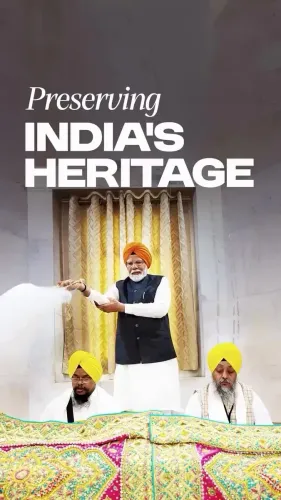
Union Jal Shakti Minister C. R. Paatil on Sunday, 12 July 2026 quoted Prime Minister Narendra Modi to highlight that FCRA-related difficulties faced by Harmandir Sahib — the holiest Sikh shrine in Amritsar, Punjab — were resolved promptly after members of the Sikh community brought them to the government's attention.
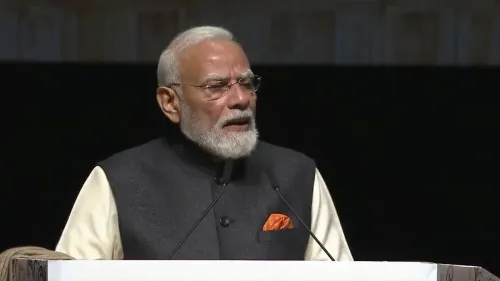
Paatil shared Modi's words verbatim: 'दुनिया के हर हिस्से में, गुरुद्वारे सेवा के सेंटर हैं' ('In every corner of the world, gurdwaras are centres of service. If someone comes hungry, they receive food; if someone is in distress, they receive support.'). Modi, as quoted by Paatil, added that some brothers and sisters from the Sikh community had informed the government about FCRA (Foreign Contribution Regulation Act) difficulties affecting service activities at Sri Harmandir Sahib, and that the problem was resolved immediately.
Context
Gurdwaras across India and the world operate large-scale community kitchens (langars) and welfare programmes funded in part through donations from the Indian diaspora abroad. Any disruption in the flow of such contributions — governed under the Foreign Contribution (Regulation) Act, 2010 — can directly affect these services. The statement underscores that Harmandir Sahib had encountered compliance or procedural hurdles under FCRA that required government intervention to clear.
The FCRA is administered by the Ministry of Home Affairs, not the Ministry of Jal Shakti. Paatil's post is therefore a political outreach communication, attributing the resolution to Prime Minister Modi's personal responsiveness rather than to a specific departmental action by his own ministry.
Policy Backdrop
The FCRA Amendment Act, 2020 introduced significantly tighter compliance requirements for Indian entities receiving foreign funds, including a ban on sub-granting received foreign contributions to other organisations and mandatory Aadhaar linkage for key office-bearers. Major religious institutions across faiths — including large temple trusts, churches, and gurdwara management committees — have at various points navigated registration renewals and compliance hurdles under this amended framework.
The Shiromani Gurdwara Parbandhak Committee (SGPC), which manages Harmandir Sahib and other historic gurdwaras, regularly receives donations from Sikh communities in Canada, the United Kingdom, the United States, and elsewhere. Any lapse or procedural delay in FCRA compliance can interrupt these inflows. Successive administrations have periodically intervened to resolve such bottlenecks for prominent religious bodies.
Stakeholders and Impact
The most immediate stakeholders are the SGPC, the gurdwara management ecosystem, and the millions of devotees and visitors who rely on Harmandir Sahib's langar and other services. The Sikh diaspora, which contributes substantially to the shrine's upkeep, also has a direct interest in the smooth functioning of FCRA clearances.
Politically, the statement is significant: the BJP has historically sought to consolidate its relationship with Sikh organisations and Punjab-based communities, particularly as the party looks to strengthen its footprint in Punjab. A swift resolution of a pain point raised by the community carries clear outreach value ahead of future electoral cycles.
What's Next
The Ministry of Home Affairs is expected to be the source of any formal clarification on the precise FCRA status of Harmandir Sahib-linked entities and the nature of the resolution. Parliamentary questions during the Monsoon Session 2026 may seek specifics on the timeline and modality of the fix. Observers will also watch whether the government extends similar facilitation to other major religious institutions facing FCRA compliance challenges, which would signal a broader policy posture rather than a one-off intervention.
Point of View
It reinforces the BJP's 'accessible, action-oriented leadership' narrative ahead of what remains a politically sensitive region for the party. The choice to quote Modi verbatim — rather than announce a policy change — suggests the intent is community outreach as much as governance reporting. FCRA compliance has become a recurring friction point for large religious institutions since the 2020 amendments, and a visible, swift resolution for the holiest Sikh shrine sends a signal to gurdwara bodies and diaspora donors nationwide. Whether this marks a systematic easing of FCRA norms for religious institutions or remains a targeted, one-off intervention will be the real policy test.
NationPress
10 Oct 2026
Frequently Asked Questions
What FCRA problem did Harmandir Sahib face?
According to a post by Union Minister C. R. Paatil quoting PM Modi, Sri Harmandir Sahib (the Golden Temple in Amritsar) faced unspecified compliance or procedural difficulties under the Foreign Contribution (Regulation) Act (FCRA), which regulates foreign donations to Indian entities. The exact nature of the hurdles has not been officially detailed by the Ministry of Home Affairs.
What is FCRA and why does it affect Harmandir Sahib?
The Foreign Contribution (Regulation) Act, 2010 (amended in 2020) governs how Indian organisations — including religious bodies — receive donations from abroad. Harmandir Sahib and the SGPC receive significant contributions from the Sikh diaspora globally, making FCRA compliance critical to their operations.
Did the Modi government resolve the FCRA issue for the Golden Temple?
PM Modi, as quoted by Minister C. R. Paatil, stated that after the Sikh community flagged the FCRA difficulties, 'we resolved that problem immediately.' A formal confirmation from the Ministry of Home Affairs, which administers FCRA, has not been publicly issued as of the date of the post.
What did the FCRA Amendment 2020 change for religious institutions?
The FCRA Amendment Act, 2020 introduced stricter norms including a prohibition on sub-granting foreign funds to other organisations and mandatory Aadhaar linkage for key functionaries. These changes increased the compliance burden on large religious institutions that rely on overseas donations.
Why is C. R. Paatil posting about Harmandir Sahib when he is the Jal Shakti Minister?
C. R. Paatil is a senior BJP leader and former Gujarat BJP state president. His post is a political outreach communication highlighting PM Modi's responsiveness to the Sikh community's concerns, rather than an announcement within his own ministry's jurisdiction.