Padma Shri awardees Malini Awasthi, Chhutni Mahato back Modi's austerity appeal
Synopsis
Two Padma Shri awardees — folk singer Malini Awasthi and witch-hunting crusader Chhutni Mahato — have publicly backed PM Modi's seven-point austerity appeal, calling it a matter of national duty rather than politics. Their endorsement signals civil society momentum behind a campaign asking Indians to cut fuel use, skip gold purchases, and go Swadeshi.
Key Takeaways
Padma Shri Malini Awasthi and Chhutni Mahato publicly endorsed PM Modi 's seven-point austerity appeal on Monday .
The appeal includes conserving petrol and diesel , using public transport, avoiding gold purchases, reducing cooking oil consumption, and embracing Swadeshi products.
Awasthi called on women to shoulder responsibility and highlighted carpooling as a traditional fuel-saving practice.
Mahato, from Seraikela, Jharkhand , said the appeals serve national — not political — interest and would boost the Atmanirbhar Bharat vision.
The appeal is framed as voluntary economic restraint to reduce pressure on the Indian currency and cut dependence on foreign exchange.
Padma Shri awardees Malini Awasthi and Chhutni Mahato on Monday publicly endorsed Prime Minister Narendra Modi's seven-point austerity appeal, urging fellow citizens to conserve fuel, avoid purchasing gold, and embrace indigenous products. Their support adds to a growing chorus of prominent voices backing the Prime Minister's call for economic restraint amid a challenging global environment.
What Modi's Appeal Covers
Prime Minister Modi's appeal comprises seven measures, including conserving petrol and diesel, opting for public transport, refraining from buying gold on festive occasions, reducing cooking oil consumption, and prioritising Swadeshi (indigenous) products. The appeal is framed as a collective national responsibility rather than a government directive, aimed at reducing pressure on the Indian currency and minimising dependence on foreign exchange.
Malini Awasthi: Women Must Shoulder Responsibility
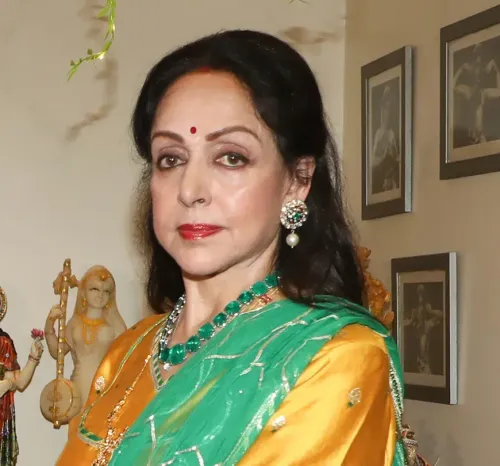
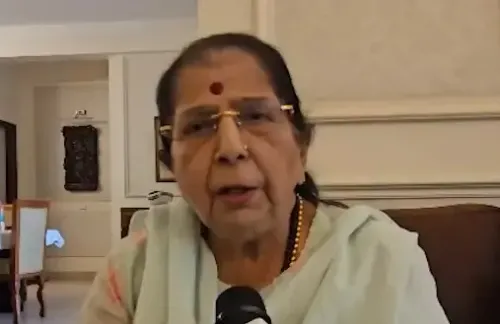
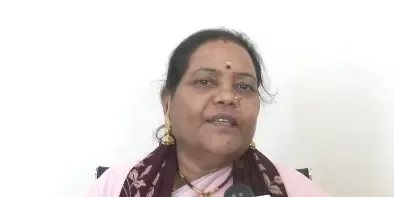
Renowned folk singer and Padma Shri Malini Awasthi said there is a profound seriousness in whatever the Prime Minister communicates to the nation. She called on women in particular to act on his appeal. "We all listened to the Prime Minister yesterday, and the entire nation is currently discussing the matter. No one can deny the gravity inherent in the Prime Minister's message to the nation. The global situation is currently challenging; several nations are engaged in conflict with one another," she said.
Awasthi noted that refraining from purchasing gold is fundamentally about savings and reducing the need for foreign currency procurement. "Our country has a history in which, whenever a war situation arose, the nation donated gold. Currently, the call is not to donate gold; rather, simply refraining from purchasing it is beneficial for the country," she added. She also highlighted the tradition of carpooling as a fuel-conservation practice that Indians have observed in the past, calling the Prime Minister's message deeply positive.
Chhutni Mahato: Appeals Serve National Interest
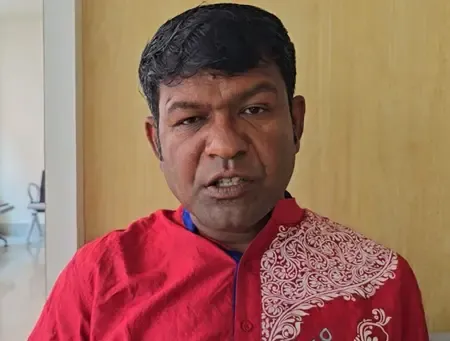
Padma Shri Chhutni Mahato, hailing from Seraikela in Jharkhand and widely recognised for her relentless struggle against the practice of witch-hunting, affirmed that all citizens must heed the seven appeals. She stated they serve no political interest but are squarely in the best interest of the nation and its people.
Mahato specifically endorsed the call to reduce cooking oil consumption, arguing it would ease household budgets while contributing to better health outcomes. She further stressed that embracing indigenous goods would strengthen the national economy and generate employment for local communities, urging the public to contribute to the vision of an Atmanirbhar Bharat.
Broader Context
The Prime Minister's austerity appeal comes at a time of heightened global economic uncertainty, with multiple nations facing geopolitical conflict and supply-side pressures. India's import bill for gold and crude oil remains a significant driver of the current account deficit, making voluntary restraint in these categories a matter of macroeconomic relevance. This is not the first time citizens have been called upon to moderate consumption during periods of national stress — similar appeals have historically accompanied wartime and balance-of-payments crises.
With prominent civil society figures and Padma awardees lending their voices, the campaign is expected to gain further traction in the days ahead.
Point of View
But voluntary campaigns have historically had limited macroeconomic impact without structural policy support. India's gold import bill and crude dependence are structural challenges; carpooling and skipping festive jewellery are symbolic gestures unless backed by fuel pricing reform and robust public transport investment. The real question is whether this appeal is a prelude to harder policy action or a standalone messaging exercise.
NationPress
24 Sept 2026
Frequently Asked Questions
What is PM Modi's seven-point austerity appeal?
PM Modi's seven-point appeal asks Indian citizens to conserve petrol and diesel, use public transport, avoid buying gold on festive occasions, reduce cooking oil consumption, and prioritise Swadeshi (indigenous) products. It is framed as a voluntary national duty to reduce pressure on the Indian currency and cut foreign exchange dependence.
Who are Malini Awasthi and Chhutni Mahato?
Malini Awasthi is a renowned folk singer and Padma Shri awardee known for promoting Indian classical and folk traditions. Chhutni Mahato is a Padma Shri awardee from Seraikela, Jharkhand, recognised for her decades-long struggle against the practice of witch-hunting.
Why does PM Modi want citizens to avoid buying gold?
According to Malini Awasthi's explanation of the appeal, refraining from gold purchases is about saving and reducing the need to procure foreign currency. India's gold import bill is a significant contributor to the current account deficit, so reduced demand helps ease pressure on the rupee.
What is the significance of the Atmanirbhar Bharat vision in this context?
Atmanirbhar Bharat, or Self-Reliant India, is a government initiative promoting domestic manufacturing and reduced import dependence. Chhutni Mahato linked the austerity appeal to this vision, arguing that embracing indigenous goods strengthens the national economy and generates local employment.
Is this the first time India has seen such austerity appeals?
No. Similar appeals to moderate consumption have historically been made during wartime and balance-of-payments crises in India. Citizens have previously been called upon to donate gold and conserve resources during periods of national economic stress.