Maharashtra Opposition slams Modi's austerity call, CM Fadnavis defends

Synopsis
Maharashtra's opposition has turned PM Modi's austerity appeal into a political flashpoint, arguing the call for 'sacrifice' arrives suspiciously after state elections — and that BJP-ruled governments should practise what they preach. CM Fadnavis pushed back, warning that neighbouring countries are already facing fuel shortages India could soon replicate if citizens don't act.
Key Takeaways
Opposition parties in Maharashtra on Monday criticised PM Modi's austerity appeal, calling its post-election timing suspicious.
Congress leader Vijay Wadettiwar alleged the call for sacrifice emerged only after five state elections concluded.
NCP(SP) legislator Rohit Pawar demanded the Centre and BJP-ruled states implement austerity first, and raised fears of an imminent petrol-diesel price hike.
Former Shiv Sena MP Priyanka Chaturvedi posted on X calling for restrictions on ministerial convoys and election rallies.
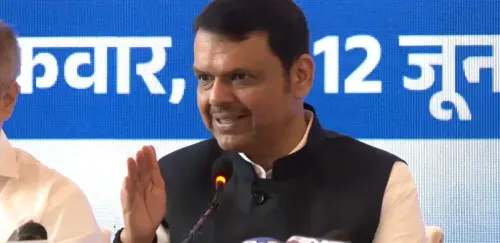
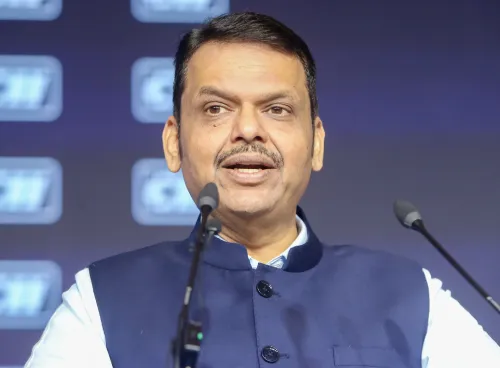
CM Devendra Fadnavis defended the PM's appeal, warning that neighbouring countries are already facing severe oil and gas shortages.
The appeal was reportedly made in the context of global disruptions linked to the US-Iran conflict .
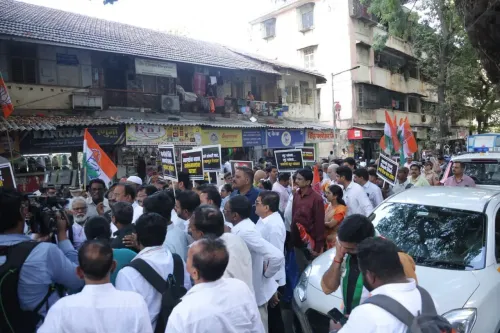
Opposition parties in Maharashtra on Monday sharply criticised Prime Minister Narendra Modi's appeal for austerity and economic mindfulness amid global tensions stemming from the US-Iran conflict, alleging that the call for 'sacrifice' conveniently surfaced only after recent state elections concluded. The opposition demanded that the Centre and all Bharatiya Janata Party (BJP)-ruled states implement the austerity measures themselves before asking ordinary citizens to comply.
Opposition's Core Charge
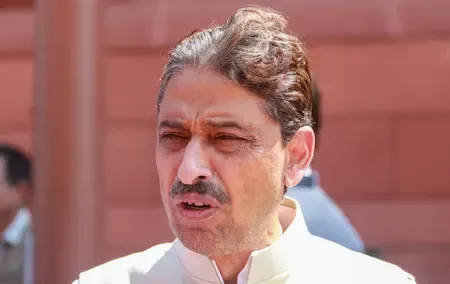
Congress Legislature Party leader Vijay Wadettiwar questioned the timing of the Prime Minister's appeal, alleging that war and economic concerns were ignored while five state elections were underway. "Even during the horrific global recession of 2008, the needle of our country didn't budge; even as the blows of the recession were landing, our India remained safe... And today, in the name of superpower status, the people themselves are being told to make sacrifices! Those who came to power in 2014 by showing dreams of 'good days' are now saying — don't use petrol, don't use diesel, don't buy gold, reduce cooking oil! Sir, you're the ones carrying out the program to ruin the country, and the responsibility has to be borne by the people?" Wadettiwar said.
NCP(SP) and Congress Leaders Pile On
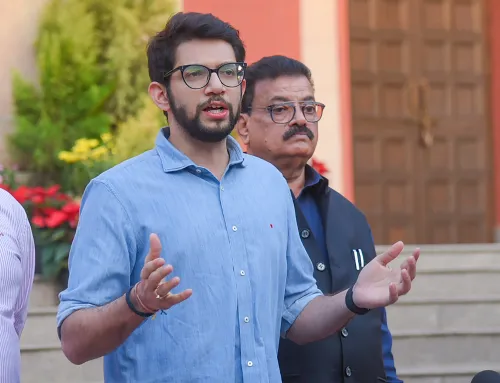
Nationalist Congress Party (Sharadchandra Pawar) legislator Rohit Pawar said PM Modi's advice on austerity may be appropriate in principle, but insisted the central government and BJP-ruled states must lead by example first. He alleged that election-season spending excesses — including what he described as commissions, unnecessary vehicle convoys, and foreign study tours — went unchecked while polls were on. Pawar also raised suspicions that the appeal could be a precursor to an imminent hike in petrol and diesel prices. "Now that elections are over, the Prime Minister's appeal doesn't signal an impending hike in petrol-diesel prices, does it? That's the suspicion that arises," he said.
Former Shiv Sena MP Priyanka Chaturvedi, in a post on X, suggested reciprocal restrictions: "Some suggestions for fellow countrymen too. Impose restrictions on the long cavalcades of ministers and leaders. Shut down large election rallies for one year. Ban grand swearing-in ceremonies - only WFH - Watch From Home."
Maharashtra Pradesh Congress Committee President Harshwardhan Sapkal alleged that while other nations were proactively preparing for potential crises, the Modi government remained preoccupied with elections, advertisements, and what he called "politics of hate." He also invoked Leader of the Opposition in the Lok Sabha, Rahul Gandhi, saying Gandhi had repeatedly warned of an economic crisis but the government ignored those signals. "The cost of Modi's negligence, arrogant governance, and deceptive propaganda politics is being paid today by every ordinary citizen in the country," Sapkal remarked.
What CM Fadnavis Said in Defence
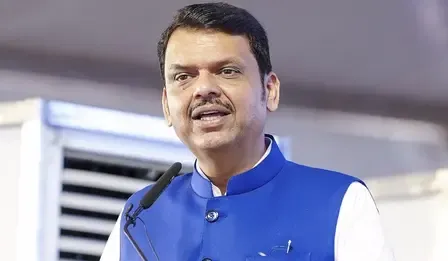
Maharashtra Chief Minister Devendra Fadnavis strongly backed the Prime Minister's call, framing it as a necessary collective response to global supply disruptions. Fadnavis noted that PM Modi had successfully shielded India from immediate shortages, while neighbouring countries were already grappling with severe oil and gas scarcity and price spikes. "If we do not understand this difficulty and do not use resources properly, we, too, will have to face scarcity," he cautioned, urging citizens to reduce petroleum consumption and help conserve foreign exchange reserves.
The Broader Context
The political flashpoint follows PM Modi's public appeal — reportedly made in the backdrop of the US-Iran conflict — asking citizens to practise economic mindfulness, reduce dependence on petroleum products, and conserve foreign exchange. The appeal has triggered a wider debate over who bears the burden of global economic shocks and whether the government's own fiscal conduct sets the right precedent. Notably, this is not the first time an austerity call from the Centre has been met with accusations of selective application — a pattern that tends to sharpen whenever such appeals follow electoral cycles.
Point of View
However, is one of institutional credibility: if the Centre and BJP-ruled states do not visibly tighten their own expenditure, the appeal risks being read as a cost-transfer exercise — moving the burden of global economic shocks from government onto citizens. CM Fadnavis's defence, while substantively reasonable given genuine supply risks from the US-Iran conflict, does not address the opposition's core charge about selective application. The suspicion around a pending fuel price hike, raised by Rohit Pawar, is the line the government will need to actively rebut — or risk it becoming a self-fulfilling political narrative.
NationPress
24 Sept 2026
Frequently Asked Questions
Why did Maharashtra's opposition criticise PM Modi's austerity call?
Opposition leaders argued that the appeal for economic sacrifice came suspiciously soon after state elections concluded, suggesting the timing was politically convenient rather than genuinely crisis-driven. They also demanded that BJP-ruled governments implement austerity measures themselves before asking ordinary citizens to do so.
What did CM Devendra Fadnavis say in defence of PM Modi's appeal?
Chief Minister Devendra Fadnavis defended the appeal, stating that PM Modi had already insulated India from immediate supply disruptions caused by the US-Iran conflict, while neighbouring countries were facing severe oil and gas shortages. He urged citizens to reduce petroleum consumption and conserve foreign exchange reserves.
What did Rohit Pawar allege about the austerity call?
NCP(SP) legislator Rohit Pawar said the appeal, while appropriate in principle, should first be applied to BJP-ruled states and the Centre. He also raised suspicions that the call could be a prelude to an imminent hike in petrol and diesel prices.
What did Priyanka Chaturvedi post on X about the austerity appeal?
Former Shiv Sena MP Priyanka Chaturvedi posted on X suggesting that restrictions should also be imposed on ministerial vehicle convoys, large election rallies should be shut for a year, and grand swearing-in ceremonies should be replaced with 'Watch From Home' events.
What is the broader context behind PM Modi's austerity appeal?
PM Modi's appeal was reportedly made against the backdrop of the US-Iran conflict, which has created global supply disruptions, particularly around petroleum. The Centre urged citizens to reduce fuel consumption and help conserve India's foreign exchange reserves amid the international uncertainty.